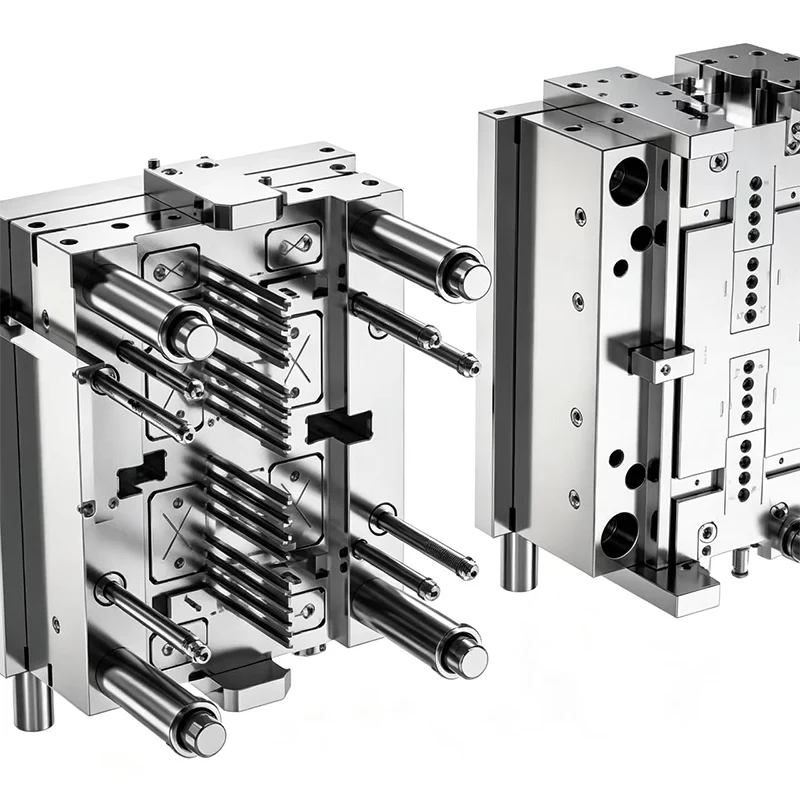
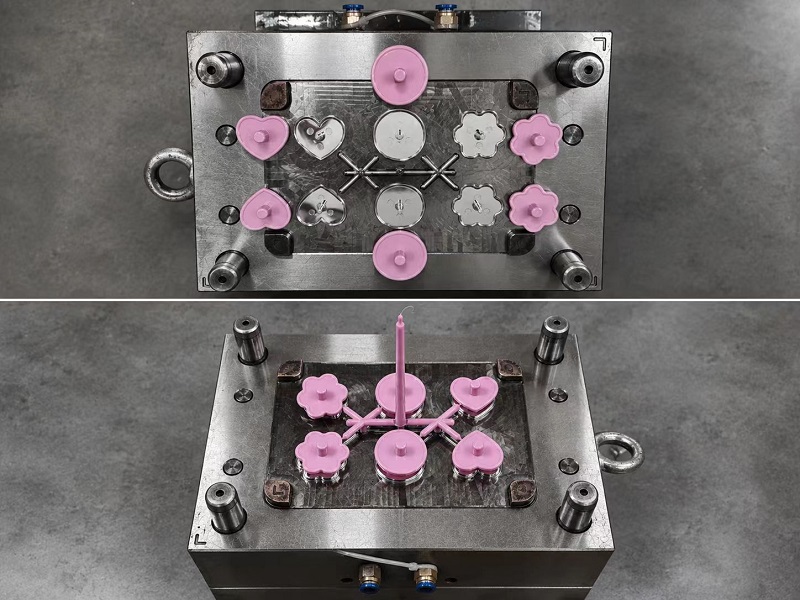
Investing in a mold is a major
milestone—not just another production step.
For many startups, product designers, and
brand owners, building a custom injection mold is one of the biggest
investments in the product development process.
However, rushing into tooling before the
product is fully prepared can lead to unnecessary costs, production delays, and
repeated modifications.
Before you commit to mold manufacturing,
here are five important questions worth asking.
1. Is Your Product Design Really Ready?
Many tooling issues actually begin with an
unfinished product design.
Even a small modification after mold
manufacturing starts can require additional machining, testing, or sampling,
increasing both cost and lead time.
Before investing in tooling, make sure your
design has been reviewed carefully and all key dimensions, functions, and
assembly requirements have been confirmed.
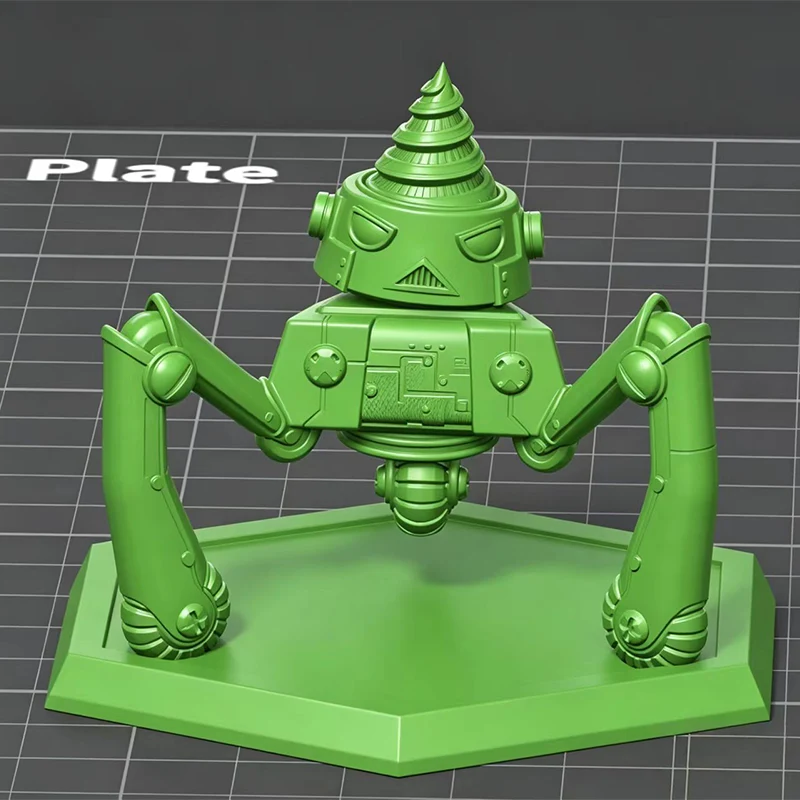
If possible, creating a prototype first can
help identify potential issues much earlier.
2. Does Injection Molding Fit Your
Production Volume?
Injection molding offers excellent
consistency and low unit costs—but only when production volume justifies the
tooling investment.
If your project only requires a few dozen
parts, 3D printing or CNC machining may be more practical.
If you plan to produce thousands of
identical parts over time, injection molding is often the more economical
solution.
Estimating your expected production
quantity early will help you choose the right manufacturing method.
3. Have You Selected the Right Plastic
Material?
Material selection affects much more than
appearance.
Different plastics provide different levels
of strength, flexibility, impact resistance, chemical resistance, and surface
finish.
Choosing the right material at the
beginning can reduce production risks and improve long-term product
performance.
Discussing material options with your
manufacturer before tooling is always recommended.
4. Have You Considered the Total Project
Cost?
Many people focus only on mold cost.
In reality, the total investment usually
includes:
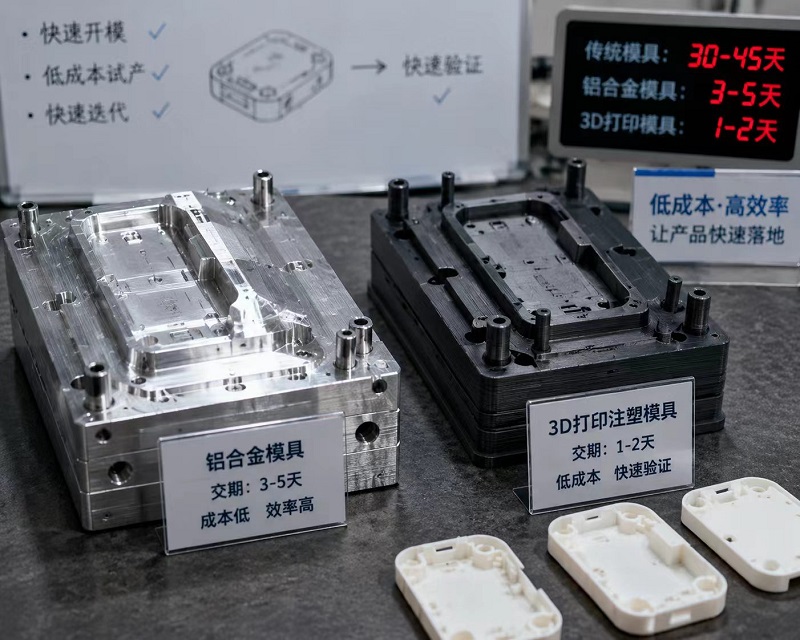
Mold tooling
Prototype validation
Material costs
Injection molding production
Surface finishing or printing
Packaging
Shipping
Looking at the entire project instead of
only the tooling price helps you make better business decisions.
5. Can Your Manufacturing Partner
Support Product Development?
A reliable supplier should do more than
simply manufacture parts.
An experienced manufacturing partner can
also assist with:
Design for Manufacturing (DFM) suggestions
Prototype development
Material recommendations
Mold optimization
Production planning
Early communication often helps prevent
costly mistakes later in the project.
Final Thoughts
Building a custom injection mold is an
important investment, but successful projects begin long before the mold is
manufactured.
By reviewing your product design, expected
production volume, material selection, overall budget, and manufacturing
strategy, you can reduce development risks and move into production with
greater confidence.
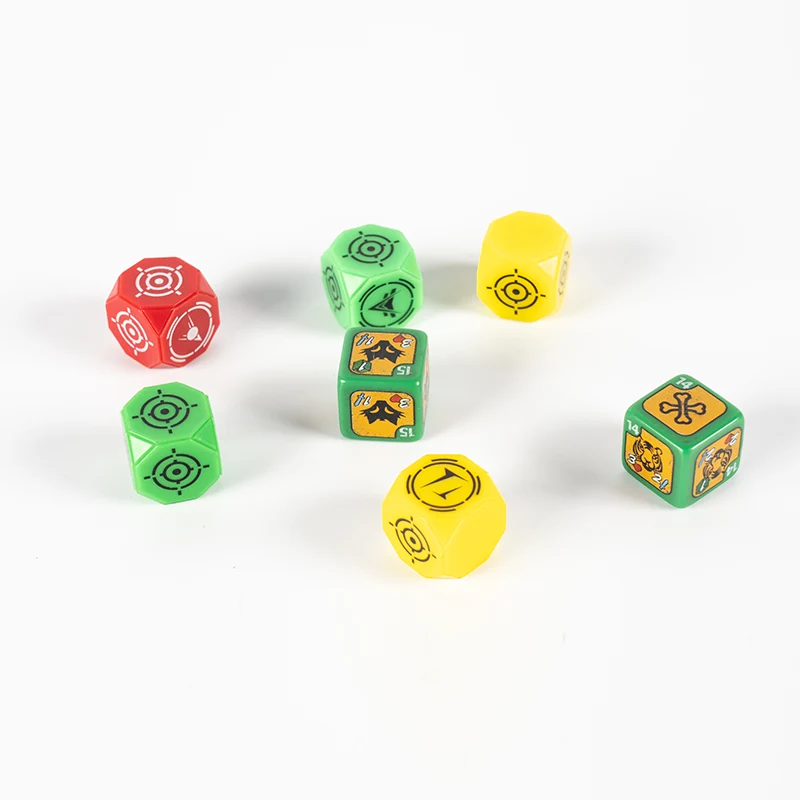
Whether you're developing a board game
accessory, an educational toy, a consumer product, or another custom plastic
component, careful planning before tooling is one of the best ways to improve
project success.
Need Support for Your Next Plastic
Product?
If you're planning a custom plastic product
and would like to discuss prototype development, mold manufacturing, or
injection molding, feel free to contact our team. We'd be happy to explore the
most suitable manufacturing solution for your project.
Custom Board Game Components Manufacturing: A Complete Guide for Game Designers
When Is Secondary Forming Injection Molding Suitable for Plastic Parts?
WhatsApp
Selina
Email