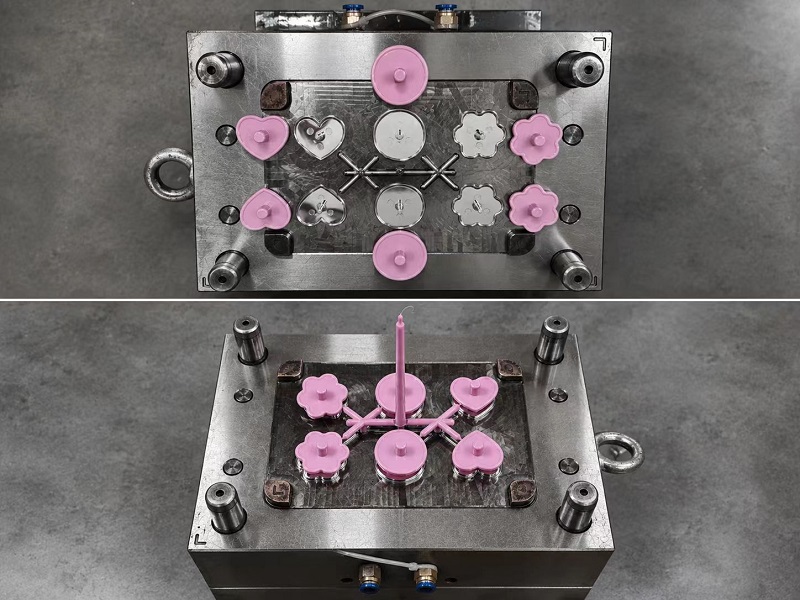
In modern manufacturing, insert molding is widely used in electrical components, automotive parts, industrial connectors, medical devices, and consumer electronics. At first glance, the process seems straightforward: place a metal insert into the mold and inject plastic around it. However, manufacturers who work with insert molding every day understand that producing a high-quality insert molded part consistently is far more challenging than it appears. For products like terminal binding posts, electrical connectors, and insulated assemblies, precision is everything.
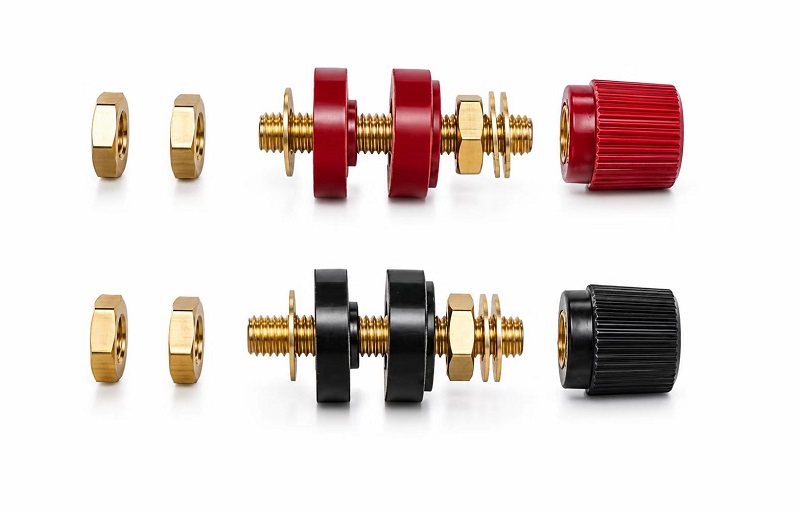
Insert molding is a manufacturing process where metal components — such as brass inserts, threaded studs, or terminals — are placed inside a mold before plastic injection begins. Once the molten plastic is injected, the plastic material surrounds the insert and forms a single integrated component after cooling.
This process combines:
The strength and conductivity of metal
The insulation and design flexibility of plastic
Reduced assembly time
Improved structural reliability
Because of these advantages, insert molding has become an important process for electrical and industrial applications.
Interestingly, small components are often more difficult to manufacture consistently than large products.
Tolerances are tighter
Assembly space is limited
Small defects become highly visible
Production speed is usually higher
Precision machining
Stable injection molding
Careful material selection
Strict quality inspection
Controlled assembly procedures
Reliable insert molding helps manufacturers achieve:
Better product durability
Reduced assembly costs
Higher production efficiency
Improved product appearance
More stable electrical performance
For industries that depend on reliable electrical connections, high-quality insert molding is not optional — it is essential.