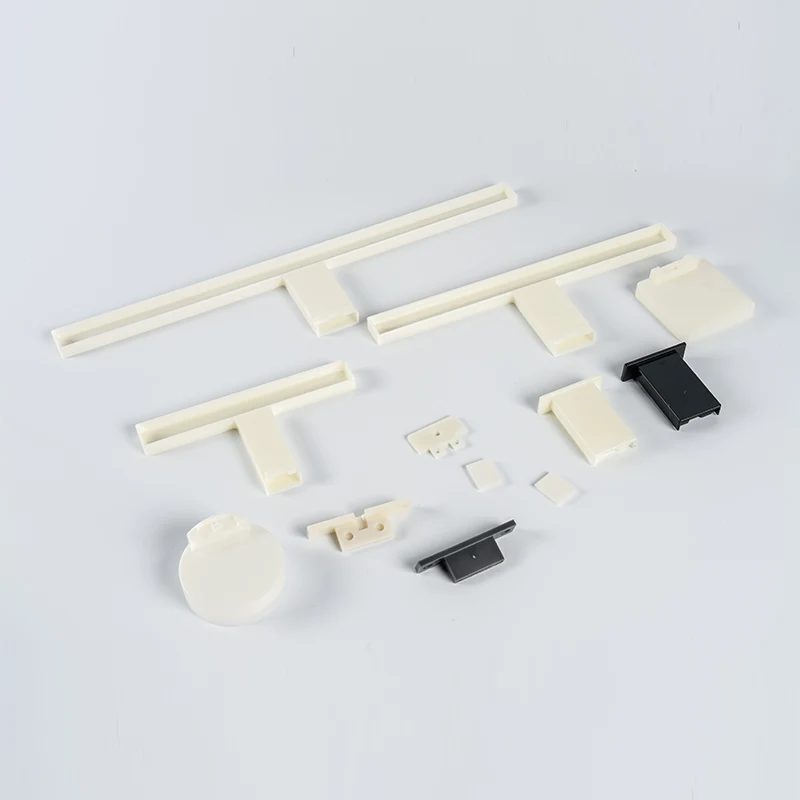
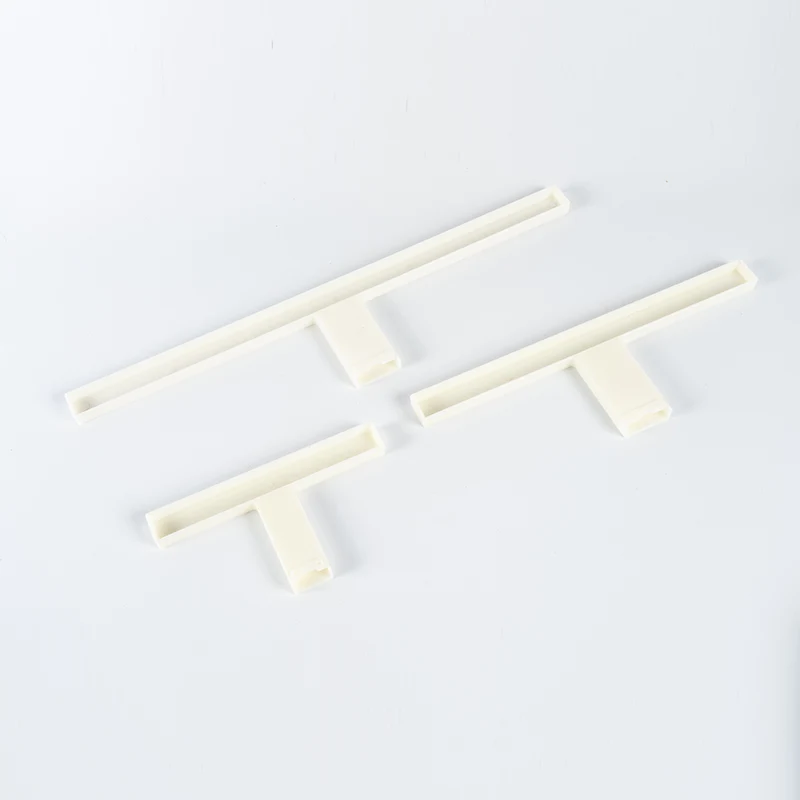
New energy plastic parts have core advantages such as lightweight, good insulation, corrosion resistance, strong designability, and environmental friendliness and recyclability, and have become key materials in new energy vehicles, battery systems, and electric drive components.
1. Significant lightweighting and improved energy efficiency
The density of new energy plastic parts is only 1/4 to 1/2 of that of metals, significantly reducing the weight of the entire vehicle. For every 100kg weight reduction, the range of new energy vehicles can be increased by 5% -10%, while reducing carbon emissions. For example, using PPS (polyphenylene sulfide) plastic for battery cover plates can achieve a weight reduction of 60%, directly increasing the range by 30-50km.
2. Excellent electrical insulation and flame retardant performance
In high-pressure environments, special engineering plastics such as PPS and PPA have high CTI (compared to leakage trace index) and natural flame retardancy. They can pass UL94-V0 certification without adding flame retardants, effectively preventing short circuits and thermal runaway, and ensuring the safety of batteries and electrical control systems.
3. Strong resistance to high temperatures and chemical stability
PPS can be used for a long time at a temperature of up to 240 ℃ and can withstand high temperatures above 260 ℃ in the short term, meeting the requirements of high-temperature components such as motor controllers.
It has strong resistance to electrolytes, coolant, acid and alkali media, avoiding structural failure caused by corrosion and extending the life of components.
4. High design freedom and adaptability to complex structures
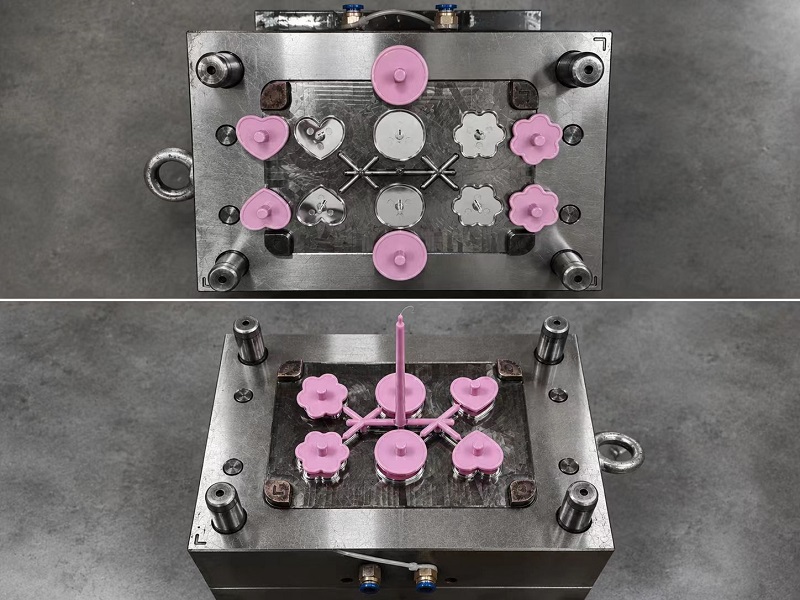
Plastic parts can achieve complex geometric shapes through injection molding, meeting the trend of integrated and miniaturized design. For example, in the "multi in one" electric drive system, plastic insulation structural components can accurately match the layout of windings and electronic components, improving space utilization.
5. Environmentally friendly and recyclable, in line with the trend of green development
Thermoplastic plastics such as PP, PA, PC, etc. can be repeatedly heated and reshaped, with a recycling rate of over 80%, in line with the EU battery recycling regulations and China's EPR (Extended Producer Responsibility) policy requirements, promoting green transformation throughout the entire lifecycle.
We use cookies to offer you a better browsing experience, analyze site traffic and personalize content. By using this site, you agree to our use of cookies.Privacy Policy