When developing a new plastic product, oneof the first questions manufacturers and product designers need to answer is:
Is injection molding the right production method?
Injection molding is one of the most efficient and cost-effective manufacturing processes for plastic parts, but not every product is suitable for it. Understanding the key requirements can help reduce development costs and avoid unnecessary tooling investments.
In this article, we will explore seven important factors to determine whether your product is a good candidate for injection molding.
1. Expected Production Volume
Injection molding requires a mold, which involves an initial tooling investment.
For low-volume production, methods such as 3D printing or CNC machining may be more economical.
However, when production quantities increase, injection molding becomes significantly more cost-effective due to its fast cycle times and low unit cost.
Generally, injection molding is most suitable when:
Production quantities exceed several thousand pieces
Long-term repeat orders are expected
Consistent quality is required
2. Product Size
Part size directly affects mold design and machine selection.
Small to medium-sized plastic components are often ideal for injection molding because they allow:
Shorter production cycles
Lower material consumption
Better dimensional consistency
Large parts can also be molded, but tooling and production costs may increase substantially.
3. Product Geometry
Injection molding is capable of producing highly detailed shapes, including:
Snap-fit structures
Internal ribs
Mounting features
Textured surfaces
However, extremely complex geometries may require:
Side actions
Lifters
Additional mold mechanisms
These features increase mold complexity and cost.
A well-designed product should balance functionality with manufacturability.
4. Material Requirements
Injection molding supports a wide range of thermoplastics, including:
ABS
PP
PE
PC
Nylon (PA)
PET
Material selection should be based on:
Mechanical strength
Heat resistance
Chemical resistance
Appearance requirements
Choosing the right material early can significantly improve project success.
5. Surface Finish Expectations
Injection molding can achieve various surface finishes directly from the mold, including:
Glossy finishes
Matte finishes
Textured surfaces
Custom patterns
If your product requires a professional appearance and consistent surface quality, injection molding is often an excellent choice.
6. Dimensional Accuracy
Products requiring tight tolerances and repeatable dimensions often benefit from injection molding.
Examples include:
Consumer products
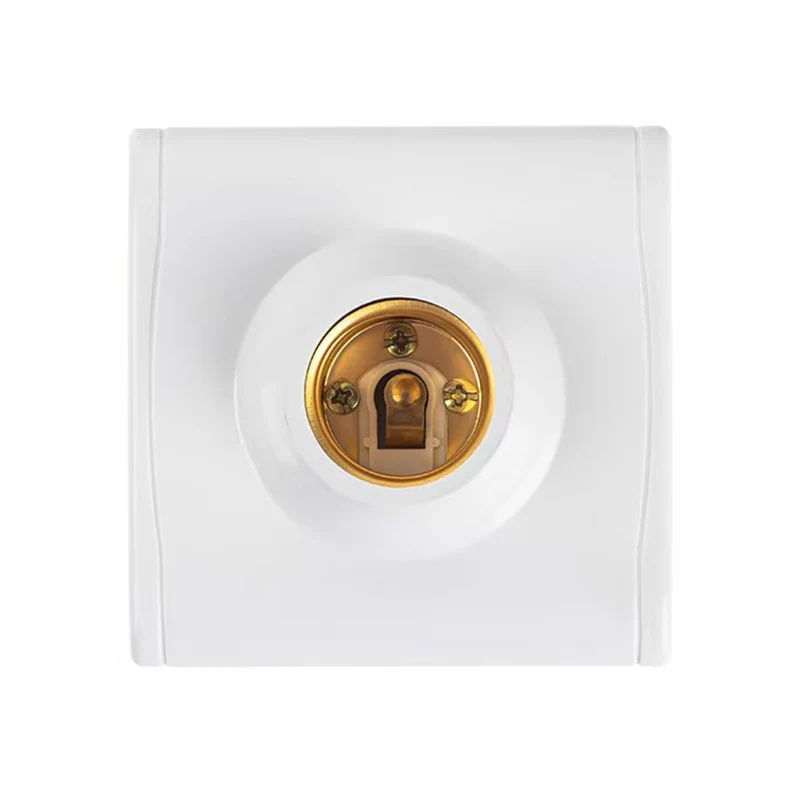
Electronic housings
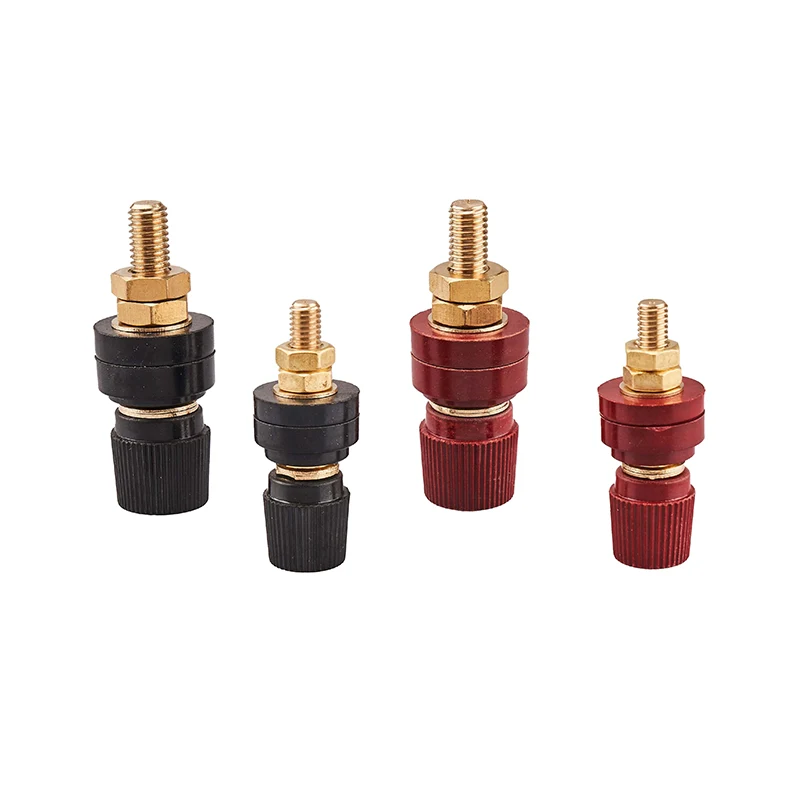
Connectors
Mechanical components
A properly designed mold can deliver highly consistent results over large production runs.
7. Budget for Tooling
The biggest consideration in injection molding is tooling cost.
Before starting a project, it is important to evaluate:
Expected annual demand
Product lifecycle
Return on tooling investment
For products with stable demand, mold costs are usually recovered quickly through lower per-unit production costs.
When Injection Molding May Not Be the Best Choice
Injection molding may not be ideal when:
Only a few dozen or hundred parts are needed
Product designs are still changing frequently
Extremely large components are required
Tooling budgets are very limited
In these situations, rapid prototyping methods such as 3D printing may be a better starting point.
Conclusion
Injection molding remains one of the most efficient manufacturing methods for producing plastic parts at scale.
If your product has:
✓ Stable demand
✓ Medium to high production volumes
✓ Suitable plastic materials
✓ A budget for tooling investment
then injection molding is likely the most economical solution.
Before investing in tooling, it is always recommended to review the product design, material selection, and production goals with an experienced manufacturing team.
Need help evaluating your project?
Our team can review your product design and provide recommendations on material selection, tooling feasibility, and manufacturing costs to help you choose the most suitable production solution.
We use cookies to offer you a better browsing experience, analyze site traffic and personalize content. By using this site, you agree to our use of cookies. Privacy Policy