
In the world of board games, quality components can make or break the gaming experience. Plastic components for board game props are versatile, durable, and customizable, offering endless possibilities for both game developers and players. This article explores the importance, types, manufacturing processes, design considerations, and practical tips for using plastic components in board games. By the end, you will understand how these components enhance gameplay and why partnering with a reliable supplier like Ningbo Jinghe Plastic Industry Co., Ltd. can elevate your product.
Table of Contents
- 1. Importance of Plastic Components in Board Games
- 2. Common Types of Plastic Components for Board Games
- 3. Materials Used in Plastic Components
- 4. Manufacturing Processes for Board Game Plastic Parts
- 5. Design Considerations for Plastic Board Game Props
- 6. Durability and Longevity of Plastic Components
- 7. Customization and Branding Opportunities
- 8. Cost-Effectiveness of Plastic Components
- 9. Environmental Considerations
- 10. Frequently Asked Questions
- 11. Partnering with Ningbo Jinghe Plastic Industry Co., Ltd.
1. Importance of Plastic Components in Board Games
Board games are more than just a pastime—they are experiences. The physical components, from tokens and dice to miniature figures and cards, play a critical role in engagement. Plastic components stand out because they are:
- Durable: Unlike cardboard or paper, plastic withstands repeated use without wear and tear.
- Lightweight: Plastic parts are easy to handle, store, and transport.
- Safe: High-quality plastic is non-toxic and child-friendly.
- Cost-efficient: Mass production of plastic pieces reduces overall manufacturing costs.
These advantages make plastic an essential choice for modern board game designers.
2. Common Types of Plastic Components for Board Games
Plastic components come in various forms depending on the game's needs. The most common types include:
| Component | Description | Common Uses |
|---|---|---|
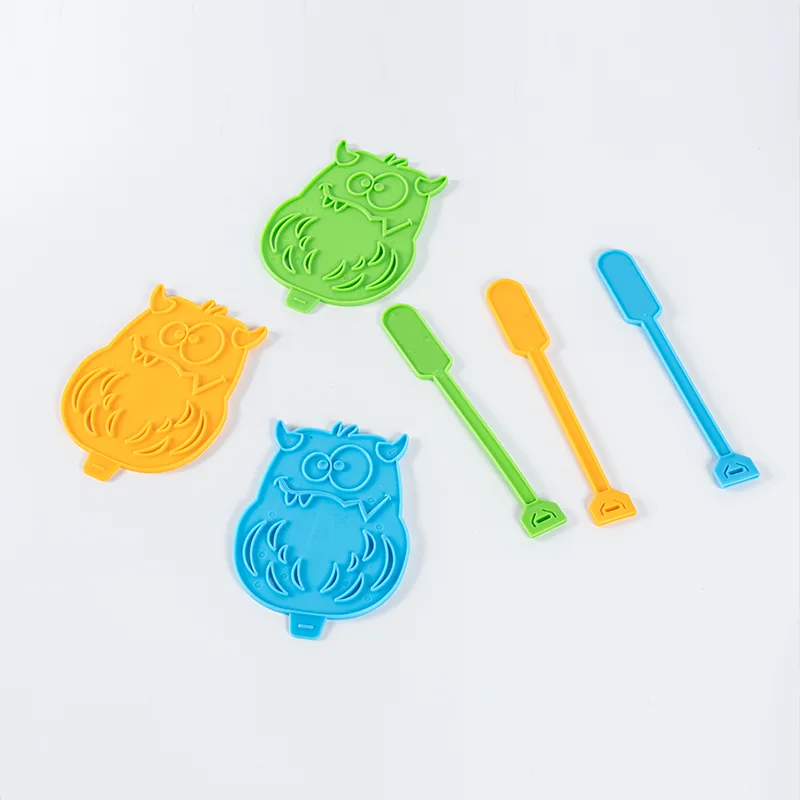
| Tokens | Small, standardized pieces representing resources, characters, or points. | Strategy games, resource management games |
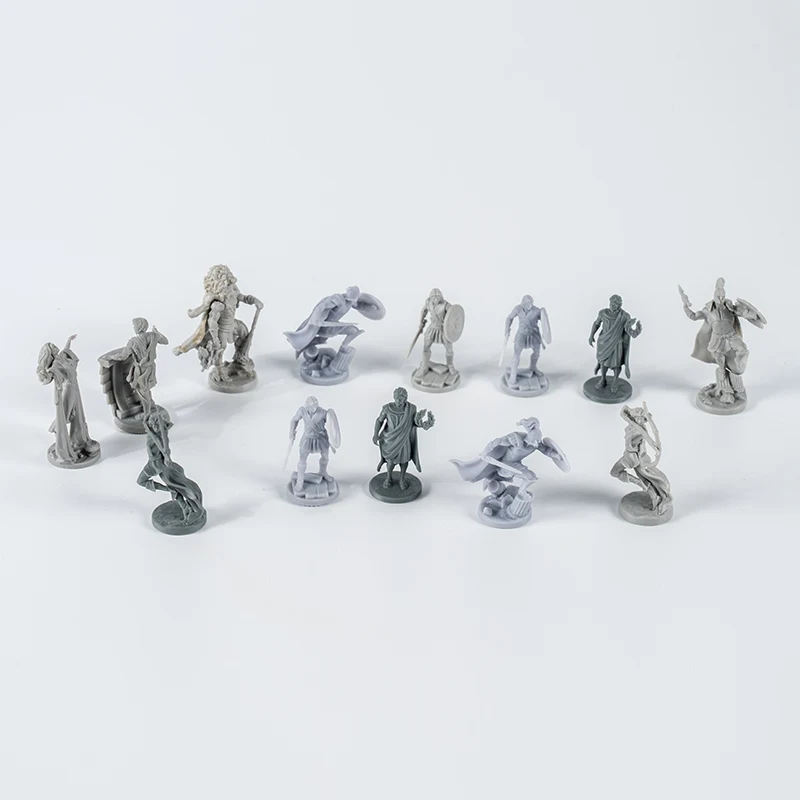
| Miniatures | Detailed figurines often used for player characters or game entities. | Role-playing games, adventure board games |
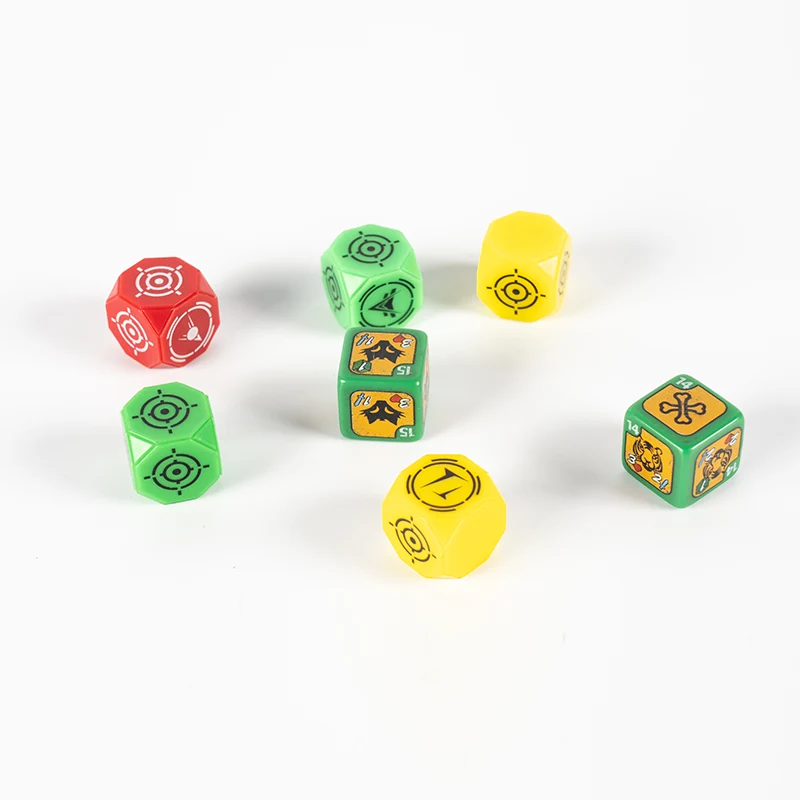
| Dice | Polyhedral or standard dice for randomness and chance elements. | Dice-based games, tabletop RPGs |
| Custom Markers | Specialized indicators for tracking game progress. | Board games requiring scoring or position tracking |
3. Materials Used in Plastic Components
Choosing the right plastic material is key for durability, appearance, and cost-effectiveness. Common plastics include:
- ABS (Acrylonitrile Butadiene Styrene): Strong and impact-resistant, ideal for miniature figures.
- Polypropylene (PP): Lightweight and flexible, suitable for tokens and cards holders.
- Polyethylene (PE): Durable and inexpensive, often used for dice and simple game pieces.
- PVC (Polyvinyl Chloride): Versatile and moldable, can be colored easily for custom components.
4. Manufacturing Processes for Board Game Plastic Parts
Plastic components can be produced using several techniques, each offering unique benefits:
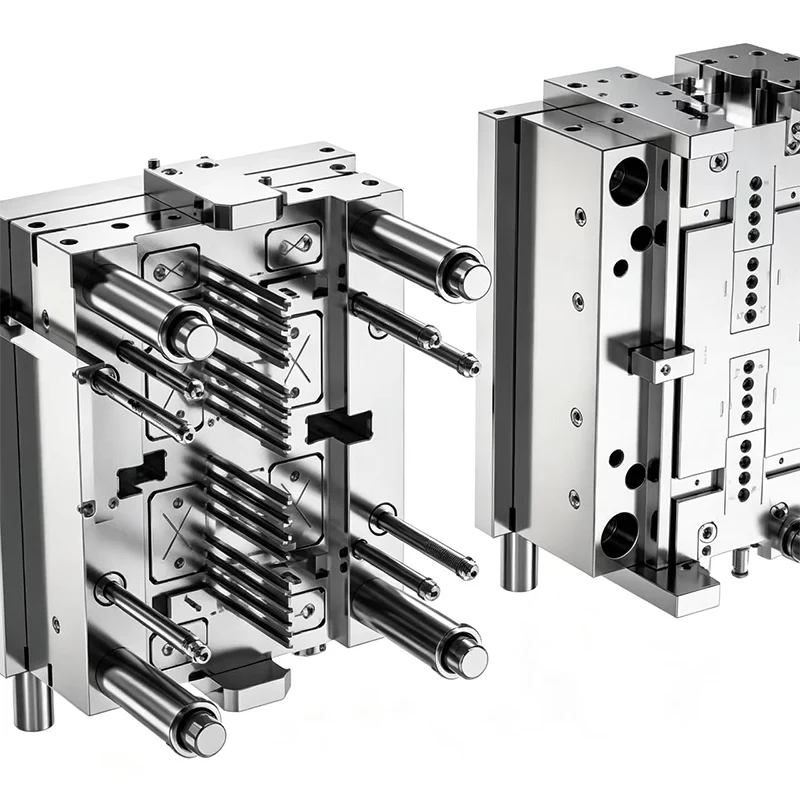
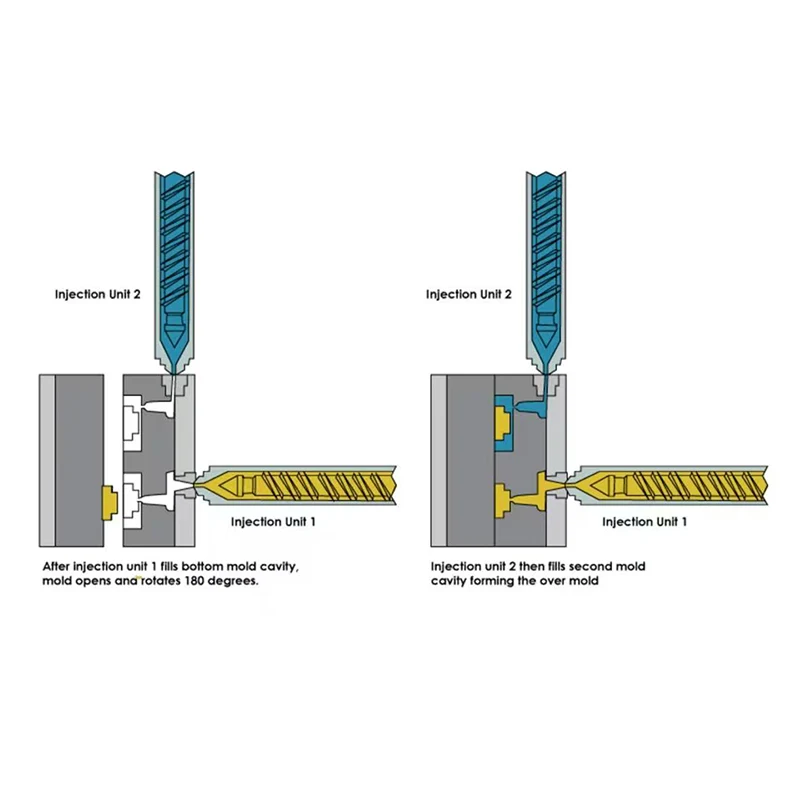
- Injection Molding: High-volume production with precise detailing and consistent quality.
- 3D Printing: Rapid prototyping and small batch production for custom games or limited editions.
- Thermoforming: Ideal for simple shapes like trays, storage compartments, or packaging inserts.
- Rotational Molding: Produces hollow and large pieces with uniform wall thickness.
5. Design Considerations for Plastic Board Game Props
Designing effective plastic components requires balancing aesthetics, usability, and manufacturing feasibility:
- Ergonomics: Pieces should be easy to handle for players of all ages.
- Color Coding: Use colors strategically for game mechanics and visual appeal.
- Stackability: For storage and gameplay efficiency, components should be stackable.
- Durability Testing: Components should resist breakage under repeated handling.
6. Durability and Longevity of Plastic Components
Plastic components are renowned for their long lifespan. Factors affecting durability include:
- Material choice (ABS vs PP vs PE)
- Thickness and weight distribution
- Surface finish and protective coatings
- Environmental resistance (UV, moisture, temperature)
7. Customization and Branding Opportunities
Plastic components allow game developers to differentiate their products through:
- Custom shapes: Unique tokens, miniatures, and dice designs.
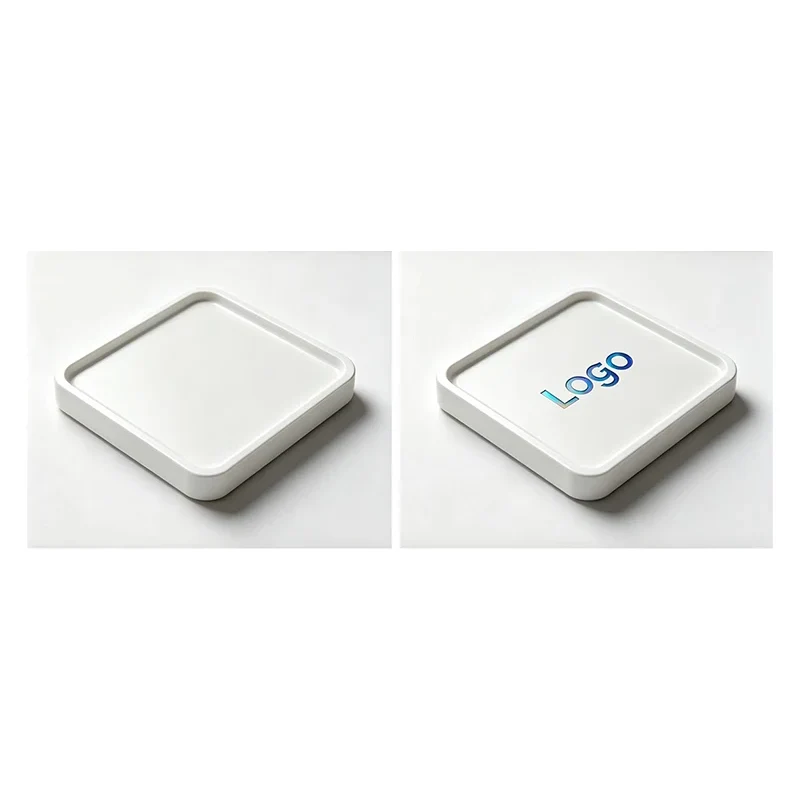
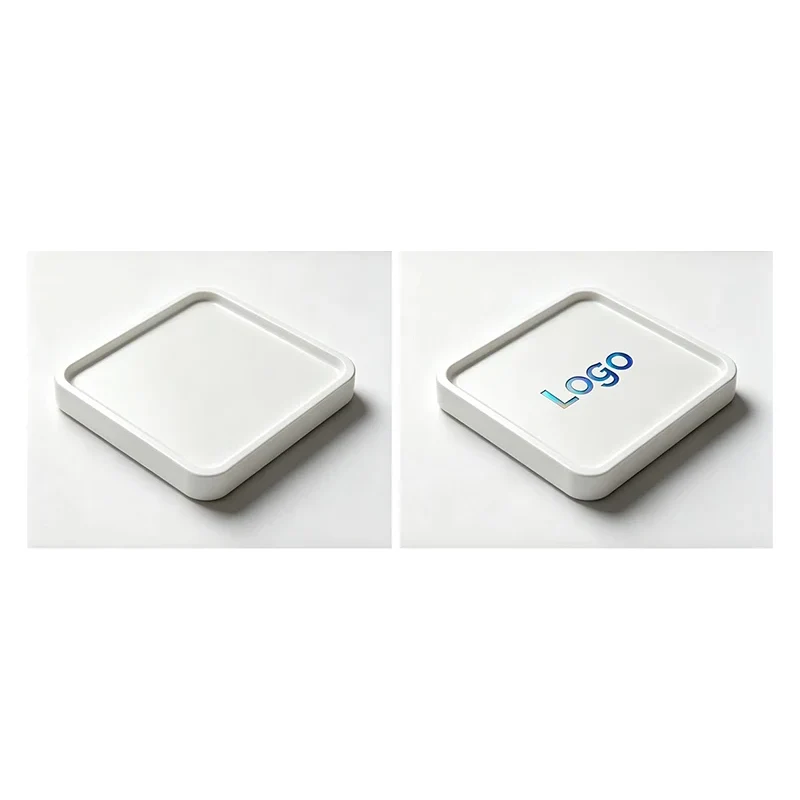
- Brand logos: Embedding logos or symbols on pieces increases brand recognition.
- Color variations: Limited edition color sets can drive collector interest.
- Packaging integration: Components can be designed to fit custom trays, boxes, and inserts.
8. Cost-Effectiveness of Plastic Components
Plastic components provide a high return on investment for board game developers due to:
- Low material cost compared to metal or wood.
- Efficient mass production via injection molding.
- Durability reducing replacement needs and warranty costs.
- Versatility, allowing multiple game editions using the same molds.
9. Environmental Considerations
While plastic is durable and cost-effective, sustainability matters. Companies can adopt the following strategies:
- Using recycled or bio-based plastics for game pieces.
- Designing components for minimal waste during production.
- Encouraging end-of-life recycling and proper disposal.
- Partnering with eco-conscious manufacturers committed to reducing carbon footprint.
10. Frequently Asked Questions
Q1: Can plastic components break easily?
A: High-quality plastics like ABS or PP are designed to withstand repeated handling without breaking.
Q2: Are plastic game pieces safe for children?
A: Yes, reputable manufacturers ensure non-toxic, BPA-free, and child-safe materials.
Q3: Can I customize plastic components for my board game?
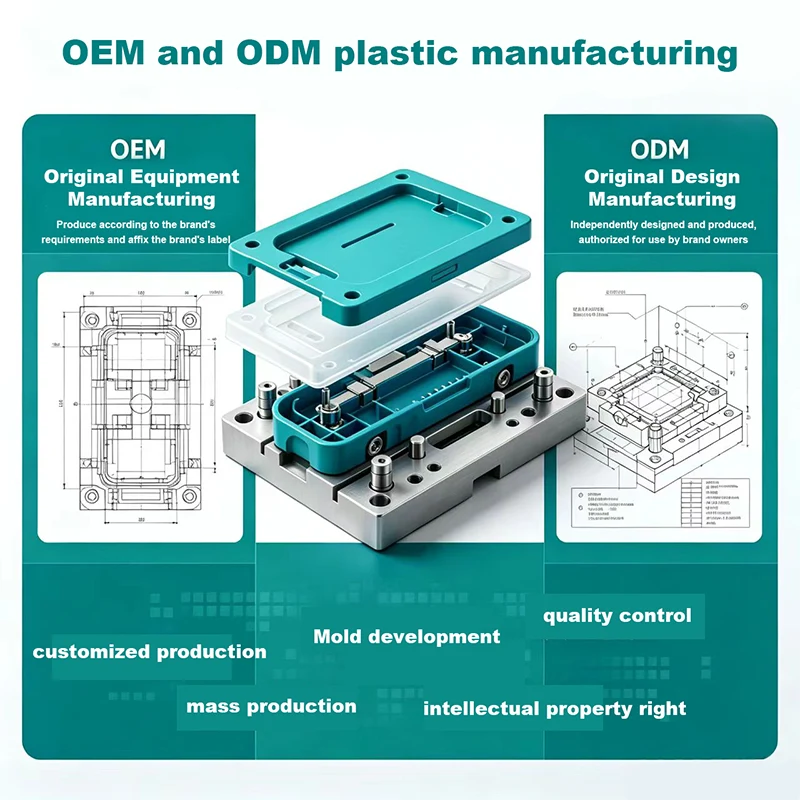
A: Absolutely. Custom molds, colors, and logos can be created to match your brand and game design.
Q4: How long does it take to manufacture plastic components?
A: Depending on the method, injection molding can produce thousands of pieces within days, while 3D printing may take longer for prototyping.
Q5: Are plastic components environmentally friendly?
A: Using recycled or bio-based plastics and sustainable production methods can significantly reduce environmental impact.
11. Partnering with Ningbo Jinghe Plastic Industry Co., Ltd.
Ningbo Jinghe Plastic Industry Co., Ltd. specializes in high-quality plastic components for board game props. With years of experience in custom manufacturing, precision molding, and design consulting, they help board game developers bring their visions to life efficiently and reliably. Whether you need custom miniatures, dice, tokens, or specialized components, their expert team ensures top-quality results.
For inquiries and project consultation, contact us today to discuss your board game needs and get a quote tailored to your requirements.