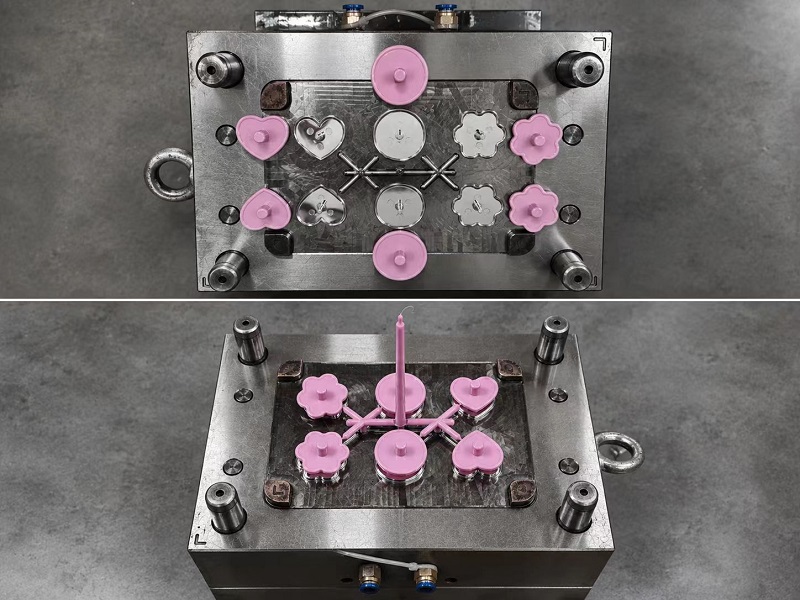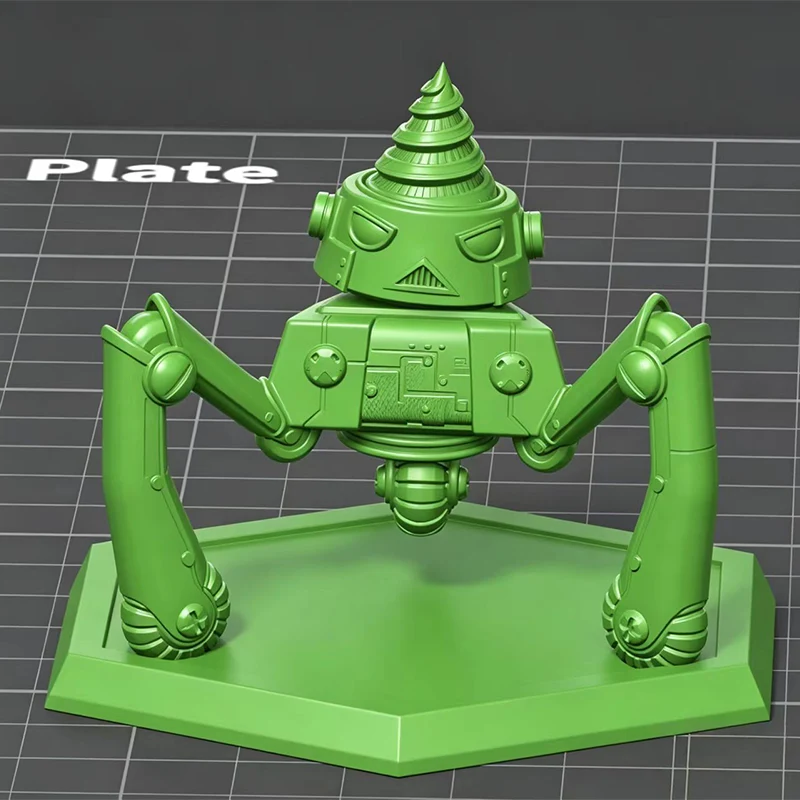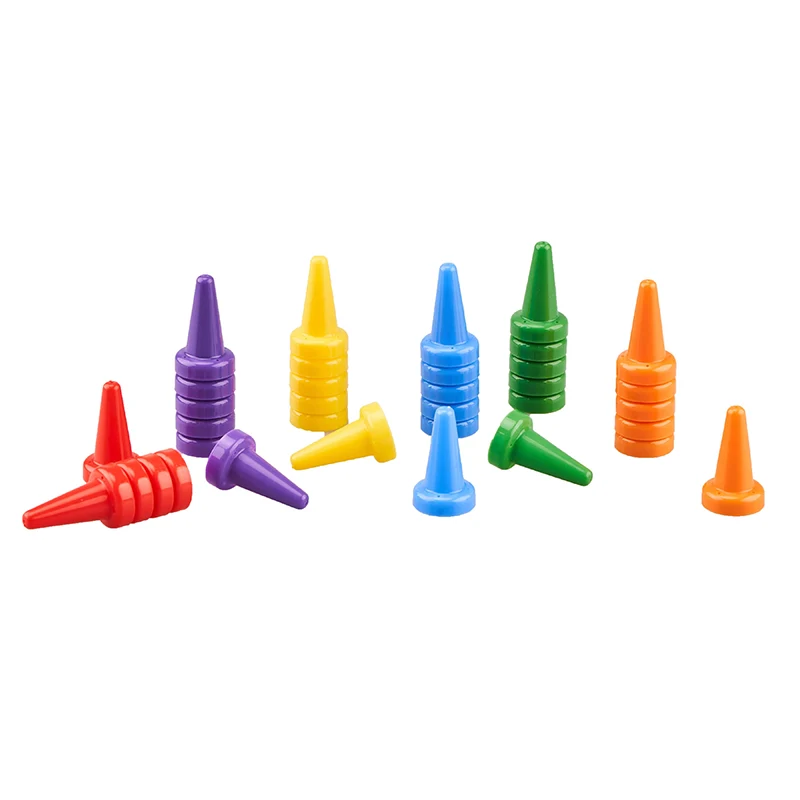
Educational toys with plastic components have become an important part of early childhood development, STEM education, sensory learning, and interactive play. Parents, schools, and distributors often face challenges such as product safety, durability, hygiene, sustainability, educational value, and manufacturing quality when selecting toys for children. This comprehensive guide explores how plastic educational toys improve learning experiences, what features buyers should prioritize, and why high-quality manufacturing matters for long-term value and child safety.
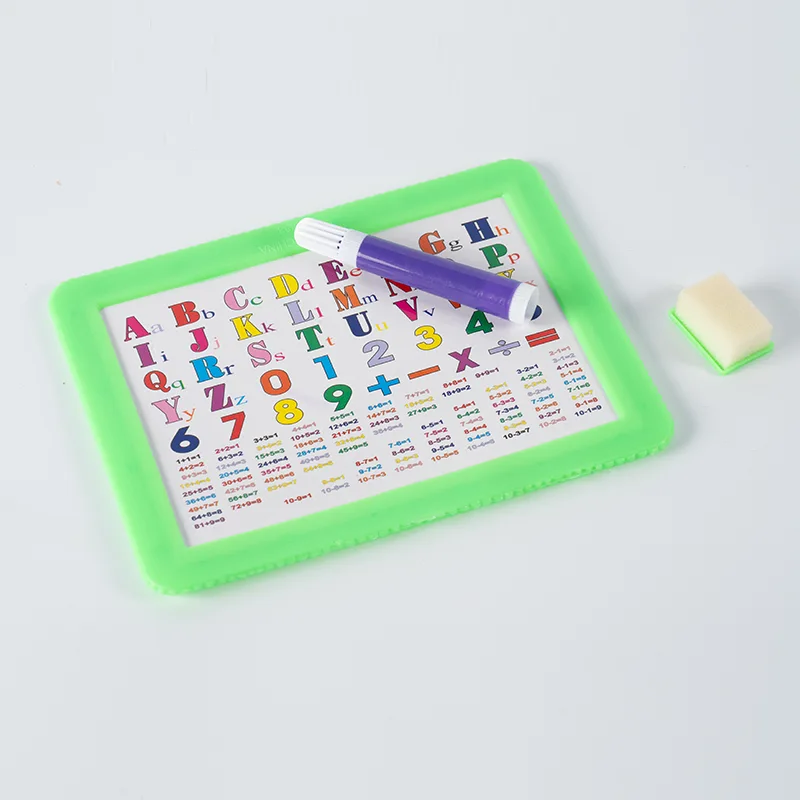
Educational toys with plastic components are learning products designed to help children develop cognitive, physical, emotional, social, and creative skills through interactive play. These toys may include plastic building blocks, counting tools, puzzle pieces, gears, science kits, alphabet sets, robotics systems, shape sorters, magnetic learning products, and sensory toys.
Plastic is frequently used because it allows manufacturers to create colorful, lightweight, durable, and precise toy parts suitable for repeated use in homes, classrooms, daycare centers, and educational institutions.
Modern educational toys are no longer limited to entertainment. Parents increasingly expect products to support:
Plastic materials offer unique advantages that support both toy performance and child usability. Compared with many alternative materials, engineered plastic components can be manufactured with consistent quality, smooth finishes, and high safety standards.
| Feature | Benefit in Educational Toys |
|---|---|
| Lightweight Structure | Easy for children to handle safely |
| Bright Color Compatibility | Improves visual engagement and recognition |
| High Durability | Resists impact and repeated classroom use |
| Easy Cleaning | Supports hygiene maintenance |
| Precision Molding | Allows accurate educational structures |
| Cost Efficiency | Makes educational toys more affordable |
These benefits explain why plastic educational toys remain highly popular across global markets.
Educational toys are designed to support learning through play. When thoughtfully engineered, they encourage children to actively engage with the environment while developing critical life skills.
Puzzle toys, counting blocks, and logic games help children improve memory, concentration, reasoning, and analytical thinking.
Stacking, snapping, sorting, and building activities strengthen fine motor control and hand coordination.
Construction toys and role-playing kits encourage imagination, storytelling, and innovative thinking.
Collaborative educational games teach communication, teamwork, patience, and emotional understanding.
Educational toys can also reduce screen dependency by encouraging active participation and hands-on exploration.
The educational toy market includes many product categories designed for different learning stages and educational objectives.
Manufacturers increasingly combine multiple learning functions into one toy system to improve educational value and long-term usability.
Safety remains the top concern for parents and educational institutions. Poor-quality toys may contain sharp edges, unsafe chemicals, weak structural parts, or choking hazards.
Before purchasing educational toys with plastic components, buyers should evaluate:
Reliable suppliers usually implement strict production control and testing procedures throughout the manufacturing process.
Companies such as Ningbo Jinghe Plastic Industry Co., Ltd. focus on advanced plastic manufacturing solutions designed to improve safety, consistency, and long-term product reliability for educational applications.
Children at different developmental stages require different toy functions and complexity levels.
| Age Group | Recommended Educational Toys | Primary Learning Goal |
|---|---|---|
| 0-2 Years | Large sensory toys and stacking cups | Motor and sensory development |
| 3-5 Years | Shape sorters and alphabet sets | Basic cognitive learning |
| 6-8 Years | Construction kits and science toys | Problem-solving and creativity |
| 9+ Years | Robotics and coding kits | STEM and logical thinking |
Age-appropriate toy selection improves both safety and educational effectiveness.
Parents often compare plastic educational toys with wooden alternatives. Each material has advantages depending on usage scenarios and educational goals.
| Factor | Plastic Toys | Wooden Toys |
|---|---|---|
| Weight | Lightweight | Heavier |
| Color Variety | Extensive | Limited |
| Complex Structures | Highly flexible | Moderate |
| Cleaning | Easy to sanitize | May absorb moisture |
| Production Cost | Generally lower | Usually higher |
Many modern educational brands combine wood and plastic materials to balance aesthetics, durability, and learning performance.
STEM-focused educational toys are experiencing strong growth because they help children develop future-ready skills in science, technology, engineering, and mathematics.
Plastic components play a major role in STEM toys because precision engineering is essential for:
Hands-on STEM toys encourage children to experiment, fail safely, solve problems, and think critically. This active learning style is often more effective than passive memorization.
Sustainability has become a major focus within the toy industry. Buyers increasingly seek products manufactured with environmentally responsible processes and recyclable materials.
Manufacturers are improving sustainability through:
Durable toys that remain functional for years reduce replacement frequency and lower environmental impact over time.
Responsible production partners such as Ningbo Jinghe Plastic Industry Co., Ltd. continue investing in manufacturing improvements that support safer and more sustainable plastic applications across educational industries.
Educational toys must survive constant handling, drops, pressure, and repeated assembly cycles. Durable manufacturing helps prevent cracking, loosening, or deformation.
High-quality manufacturers improve durability through:
Improves dimensional accuracy and structural consistency.
Ensures toys remain safe after repeated drops and handling.
Creates smooth edges that improve both safety and aesthetics.
Balances flexibility and strength for long-term durability.
Educational institutions and toy distributors often purchase in larger volumes and therefore need to evaluate suppliers carefully.
Important purchasing considerations include:
Partnering with experienced plastic manufacturing companies can significantly reduce quality risks and supply chain problems.
Q1: Are plastic educational toys safe for children?
Yes, high-quality educational toys made with certified non-toxic materials and proper manufacturing standards are designed for child safety.
Q2: Why are plastic components preferred in STEM toys?
Plastic allows precise engineering, lightweight construction, durability, and flexible design possibilities for interactive learning systems.
Q3: How should educational toys be cleaned?
Most plastic educational toys can be cleaned using mild soap and warm water. Some products also support disinfectant wiping.
Q4: What makes a durable educational toy?
Strong material selection, impact resistance, quality molding, and structural reinforcement all contribute to durability.
Q5: Are sustainable plastic educational toys available?
Yes, many manufacturers now use recyclable materials and eco-conscious production methods to reduce environmental impact.
Q6: How do educational toys improve learning?
They promote active participation, problem-solving, creativity, motor skills, and independent exploration.
Educational toys with plastic components continue to shape modern childhood learning experiences through durability, affordability, safety, and interactive design. From simple alphabet toys to advanced STEM robotics kits, these products help children build essential developmental skills while encouraging creativity and exploration.
As educational expectations continue evolving, manufacturers must balance safety, innovation, sustainability, and functionality to meet growing global demand. High-quality plastic manufacturing plays a crucial role in ensuring educational toys remain reliable, engaging, and effective for long-term use.
Ningbo Jinghe Plastic Industry Co., Ltd. specializes in high-quality plastic manufacturing solutions for educational products and industrial applications. Whether you need durable plastic toy components, customized production support, or reliable manufacturing expertise, our team is ready to help.
Contact us today to discuss your next educational toy project and discover dependable manufacturing solutions tailored to your needs.