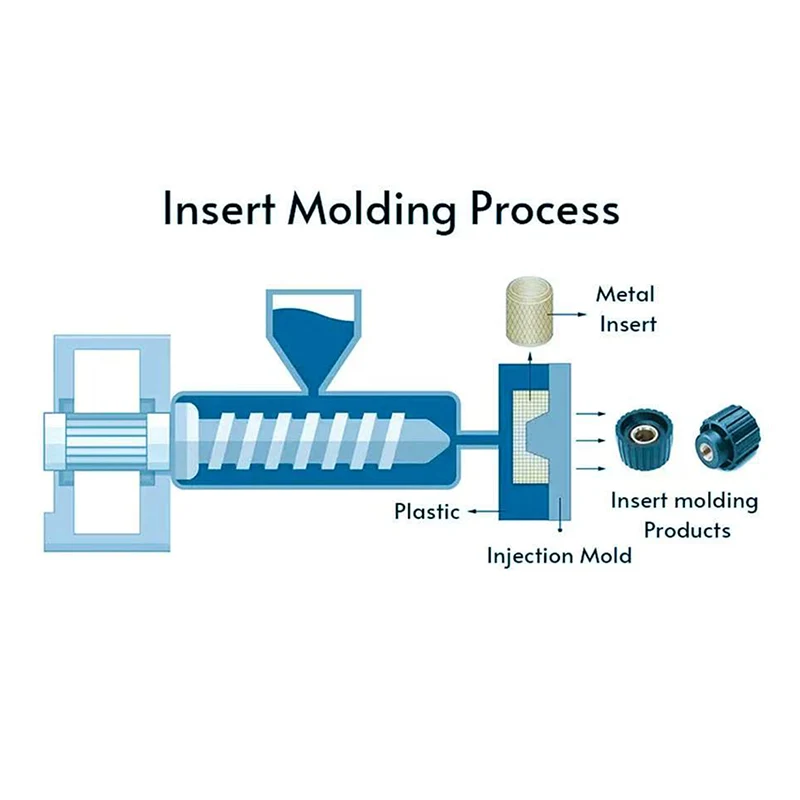
Maintaining consistent quality in high volume injection molding requires more than reliable machines. Manufacturers must control raw material quality, mold conditions, injection parameters, cooling cycles, and inspection procedures throughout production. At Kingke, we combine precision mold design, automated injection molding, multi-cavity production, and systematic quality checks to manufacture consistent plastic components for toys, board games, LED lighting, and other applications. Our High Volume Injection Molding Services focus on reducing defects, maintaining dimensional accuracy, and keeping large production orders on schedule.
Producing a few hundred plastic parts and manufacturing tens of thousands of pieces are two different challenges. In large-scale production, even a small process deviation can affect a significant number of products before the problem is discovered. A slight change in injection pressure, mold temperature, or material moisture can lead to dimensional differences, surface defects, or incomplete filling.
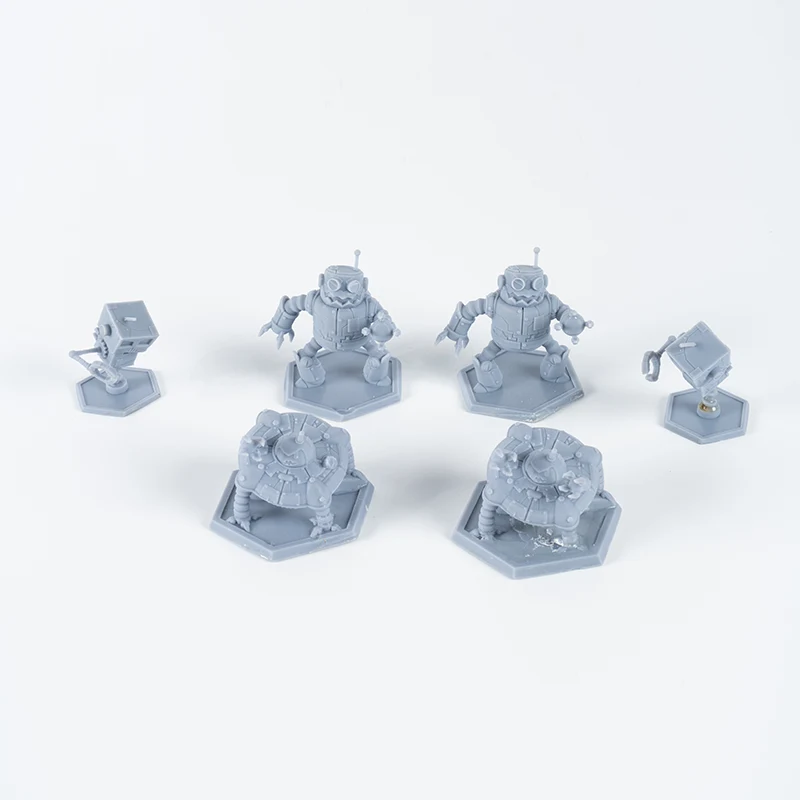
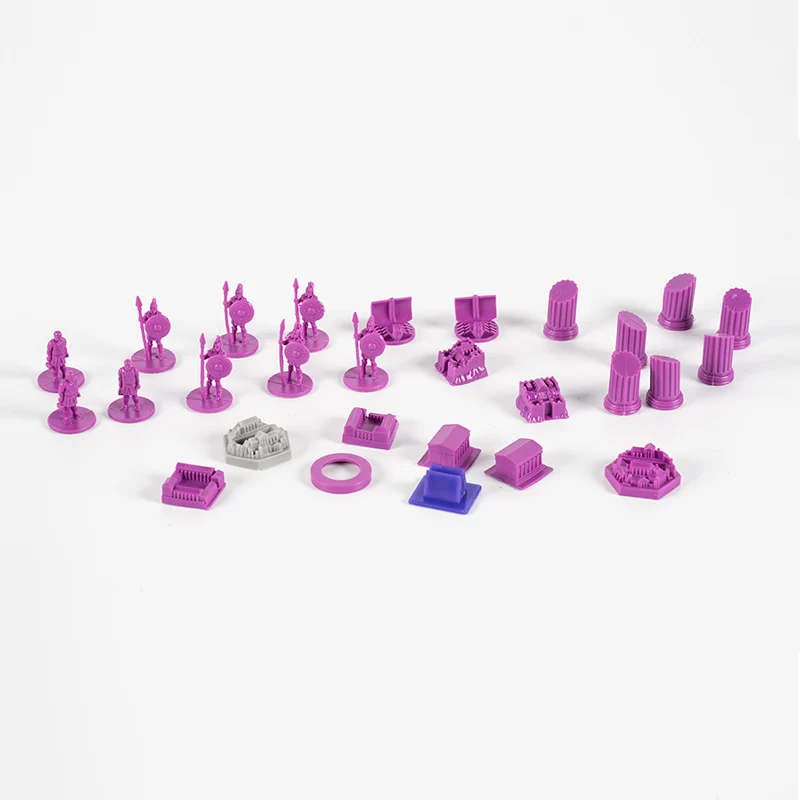
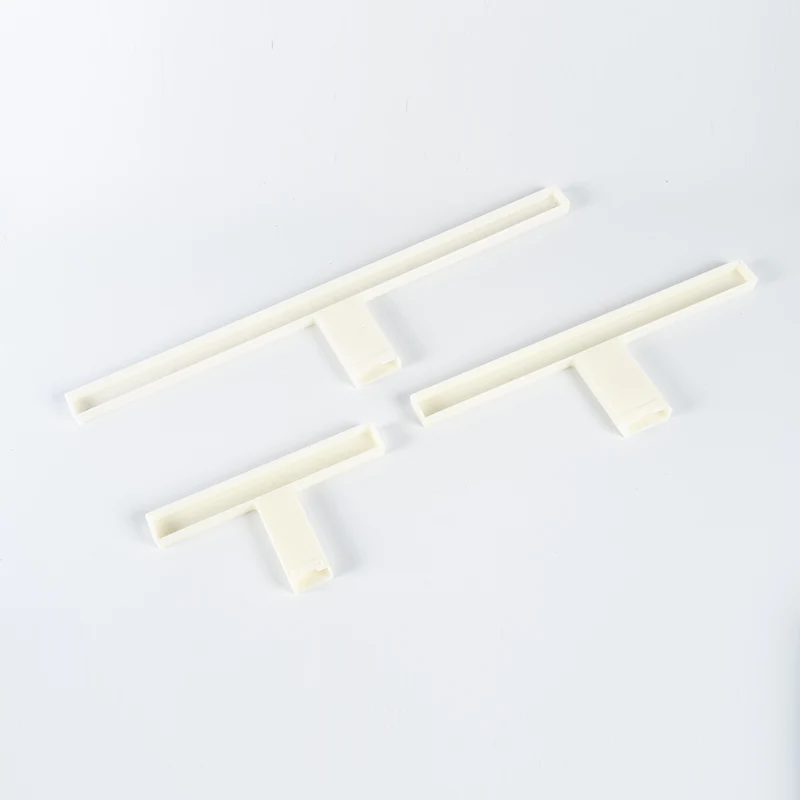
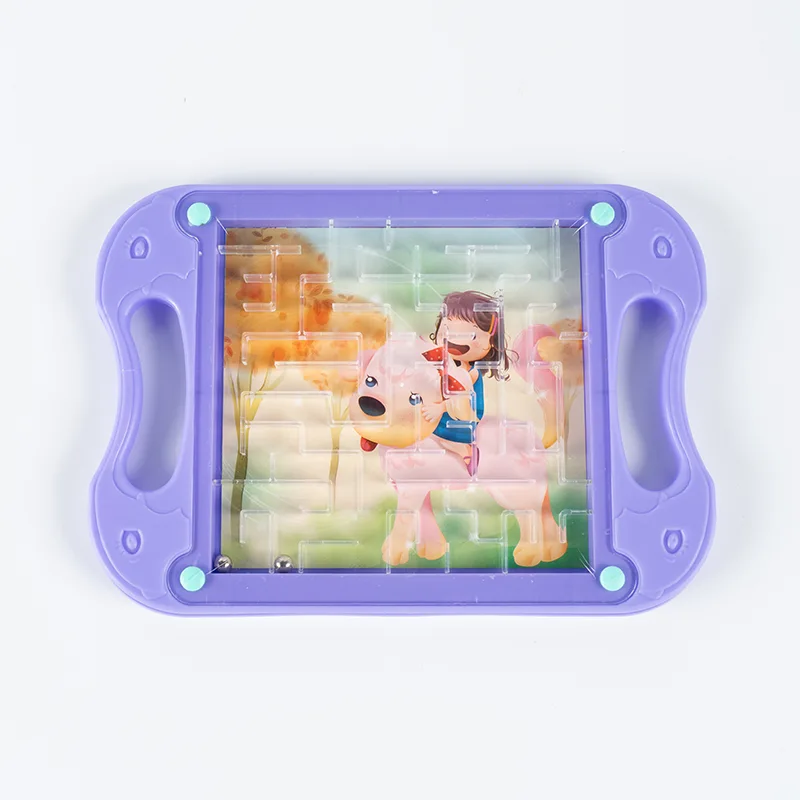
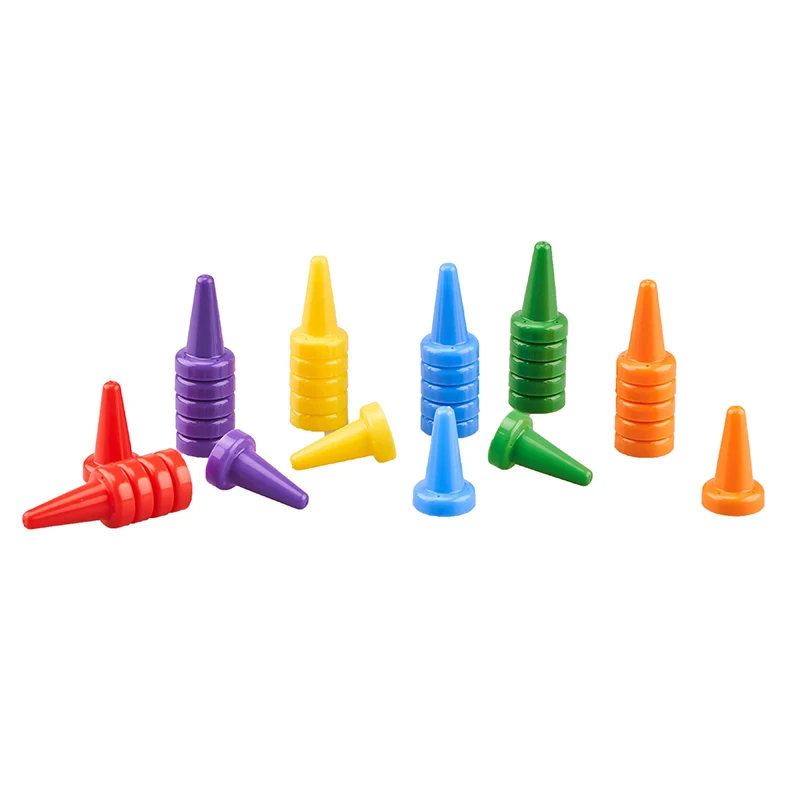
We pay particular attention to these issues when manufacturing products such as board game pieces, toy housings, and LED lampshades. These components may have different quality requirements. Board game pieces need consistent dimensions and smooth edges, while toy shells often require accurate assembly positions and uniform surface appearance. LED lighting components may also have specific requirements for transparency, color, and light transmission.
For this reason, we believe effective injection molding quality control should begin before the machine starts running and continue until finished products are inspected and packaged.
| Quality Challenge | Possible Cause | Production Impact |
|---|---|---|
| Dimensional variation | Unstable pressure, temperature, or cooling conditions | Assembly problems and inconsistent product sizes |
| Short shots | Insufficient filling pressure or material flow | Incomplete plastic components |
| Flash and burrs | Mold wear, poor clamping, or excessive injection pressure | Additional trimming and higher rejection rates |
| Shrinkage and deformation | Uneven cooling or unsuitable holding conditions | Appearance defects and dimensional instability |
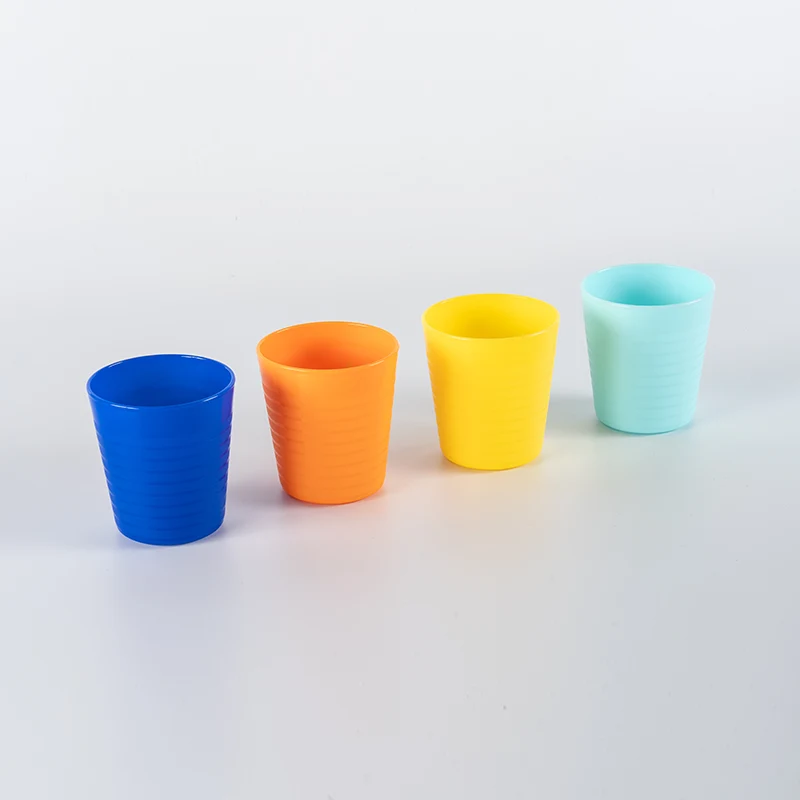
| Color inconsistency | Material or pigment batch variation | Visible differences between production batches |
Material selection has a direct influence on the strength, appearance, dimensional stability, and processing performance of injection molded parts. Even when the same mold and machine settings are used, different plastic grades or material batches may produce different results.
At Kingke, we support several commonly used injection molding materials, including ABS, PP, PC, PLA, PETG, and PA. Each material has different characteristics, so we select materials according to the product's actual working environment and performance requirements.
Before mass production, we check material specifications, color requirements, and processing conditions. Materials that require drying are prepared according to their grade and supplier recommendations. This is particularly important for moisture-sensitive plastics such as PC and PA, where excessive moisture can affect the molded surface and mechanical properties.
We also recommend keeping material batches identifiable during production. If a color difference or performance issue appears, traceable material information makes it easier to investigate the cause instead of adjusting machine parameters without understanding the problem.
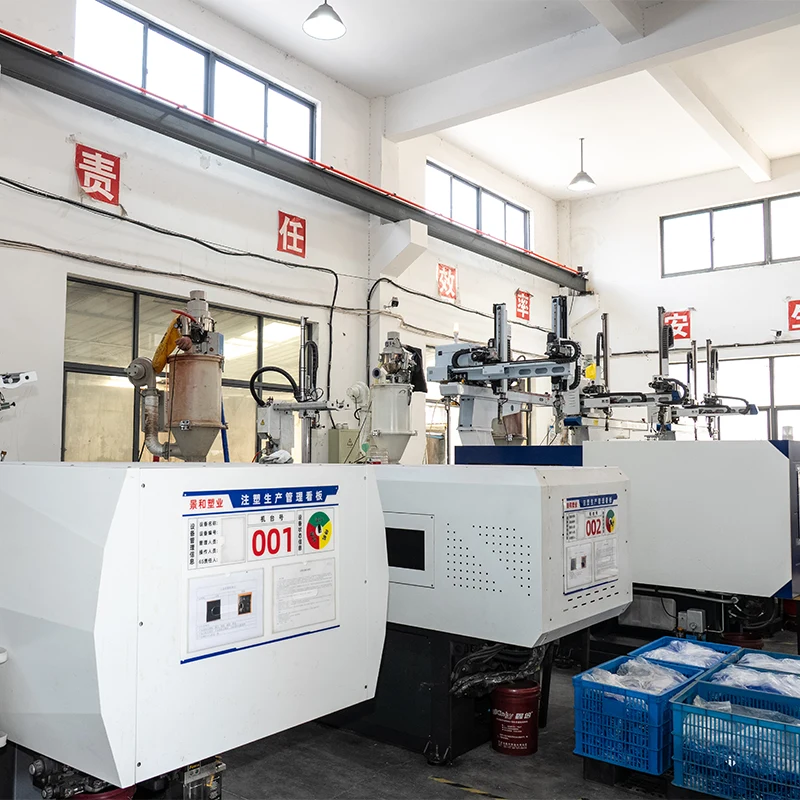
A stable injection molding process starts with a well-maintained mold. Mold design affects material flow, filling balance, cooling efficiency, part dimensions, and the appearance of the finished product. During long production runs, wear around the parting line, blocked vents, damaged inserts, or cooling system problems can gradually affect product quality.
For high-volume orders, multi-cavity molds are often used to increase output. Kingke supports 2-cavity, 4-cavity, 8-cavity, and 16-cavity mold configurations, depending on product dimensions, mold structure, and order quantity.
However, increasing the cavity count does not automatically guarantee better production. Every cavity must fill and cool consistently. If one cavity produces parts with more flash or different dimensions, checking only a mixed batch of finished products may hide the problem.
We therefore consider several factors during mold preparation:
When customers provide their own molds, we can also arrange routine mold maintenance, including cleaning, lubrication, and inspection of wear-prone components. This helps reduce unexpected downtime during repeated production orders.
Even a properly designed mold can produce inconsistent parts if the molding conditions change during production. We focus on maintaining stable processing conditions rather than simply increasing machine speed to achieve higher output.
Several parameters require particular attention:
| Process Parameter | Its Function | Potential Quality Problem |
|---|---|---|
| Barrel temperature | Controls plastic melting and material flow | Poor filling, material degradation, or surface defects |
| Injection pressure | Provides the force needed to fill the mold cavity | Short shots, flash, or dimensional variation |
| Injection speed | Controls how quickly molten plastic enters the cavity | Flow marks, air traps, or incomplete filling |
| Holding pressure and time | Compensates for material shrinkage during cooling | Sink marks, voids, or dimensional changes |
| Cooling time | Allows the molded part to solidify before ejection | Warping, deformation, or difficult demolding |
These parameters are interrelated. For example, shortening the cooling time may improve the production cycle, but it can also cause deformation if the part has not cooled sufficiently. Increasing holding pressure may reduce shrinkage in certain areas, but excessive pressure can create other problems, including residual stress and flash.
Our machine adjustment engineers optimize temperature, pressure, speed, and cycle time according to the selected plastic material, mold structure, and product requirements. Once an acceptable production window has been established, the settings should remain consistent and be checked throughout the run.
This approach is especially important for large orders involving multiple components, where inconsistent dimensions can create assembly difficulties even if individual parts appear acceptable.
Final inspection alone is not enough for reliable mass production. If a process problem develops halfway through a long production run, checking products only before shipment may mean that thousands of defective parts have already been manufactured.
We recommend a layered inspection approach that covers incoming materials, initial molded samples, ongoing production, and finished products.
Check material grades, color specifications, batch identification, and relevant material documentation before production. For moisture-sensitive materials, verify drying requirements before feeding the injection molding machine.
After mold installation and machine adjustment, inspect the initial molded samples against the approved drawings and reference samples. Important checks include overall dimensions, critical assembly features, surface appearance, and product weight where applicable.
During production, operators and quality personnel monitor selected dimensions and visible defects at defined intervals. For multi-cavity molds, inspection should identify individual cavities when cavity-to-cavity differences are a concern.
Before packaging, finished products are checked for scratches, burrs, incomplete filling, shrinkage marks, deformation, color differences, and other customer-defined acceptance criteria. Functional checks can also be included for components that require accurate fitting or assembly.
The inspection frequency and sampling method should be determined according to order size, product complexity, risk level, and the customer's quality requirements. For critical dimensions, measuring instruments should have suitable accuracy and be properly calibrated.
In our experience, the most useful quality improvement method is to connect each defect with its possible production cause. Repeatedly adjusting machine settings without checking the mold, material, and cooling conditions can create additional variation.
| Defect | Typical Causes | Recommended Control Measures |
|---|---|---|
| Short shots | Insufficient filling, blocked vents, or poor material flow | Review injection conditions, material preparation, and venting |
| Flash | Excessive pressure, insufficient clamping force, or mold wear | Check mold contact surfaces and optimize pressure settings |
| Sink marks | Uneven wall thickness or insufficient packing and cooling | Review product structure, holding conditions, and cooling time |
| Warpage | Uneven cooling and residual molding stress | Optimize cooling conditions and review part geometry |
| Flow marks | Unstable filling speed or unsuitable melt temperature | Adjust injection speed and temperature within the material's processing window |
| Color differences | Different pigment batches or inconsistent material mixing | Verify color batches and maintain consistent material preparation |
For example, when manufacturing board game pieces, small flash around the edges can affect the feel of the product and require additional trimming. For LED lampshades, visible flow marks or color differences may be more important because they can affect the final appearance and light distribution. The inspection standard should therefore reflect the actual function of each component rather than applying one generic acceptance rule to every product.
Maintaining quality over the first 1,000 pieces is one thing; maintaining the same standard across 50,000 or more pieces requires a more systematic production arrangement.
For large orders, we focus on three practical areas:
Kingke's production planning supports standard products and customized plastic components, with daily output for suitable standard products reaching approximately 10,000–50,000 pieces depending on product structure, cycle time, and cavity configuration. Production capacity should always be evaluated against the actual project rather than estimated from machine quantity alone.
For customers with urgent delivery requirements, production scheduling and inspection arrangements can be coordinated in advance. This helps reduce the risk of rushing the final production stage and compromising product quality.
At Kingke, we provide integrated plastic manufacturing services from mold design and injection molding to UV printing, assembly, and packaging. Founded in 2017 and based in Ningbo, China, we work with customers in industries including toys, board games, new energy, and lighting fixtures.
Our High Volume Injection Molding Services are supported by automated injection molding equipment, experienced machine adjustment engineers, and quality inspection procedures. We work with both customer-owned molds and customized tooling projects, allowing production arrangements to match different product and order requirements.
Our manufacturing capabilities include:
For projects requiring more detailed dimensional control, our stated production capability can reach ±0.05 mm under suitable product and process conditions. Actual tolerances depend on material shrinkage, component geometry, mold design, and the dimensions specified in the approved drawings.
Our ISO 9001, ISO 14001, and ISO 45001 certifications reflect our quality, environmental, and occupational health and safety management systems. We use these management foundations alongside practical production controls to support consistent manufacturing and long-term cooperation.
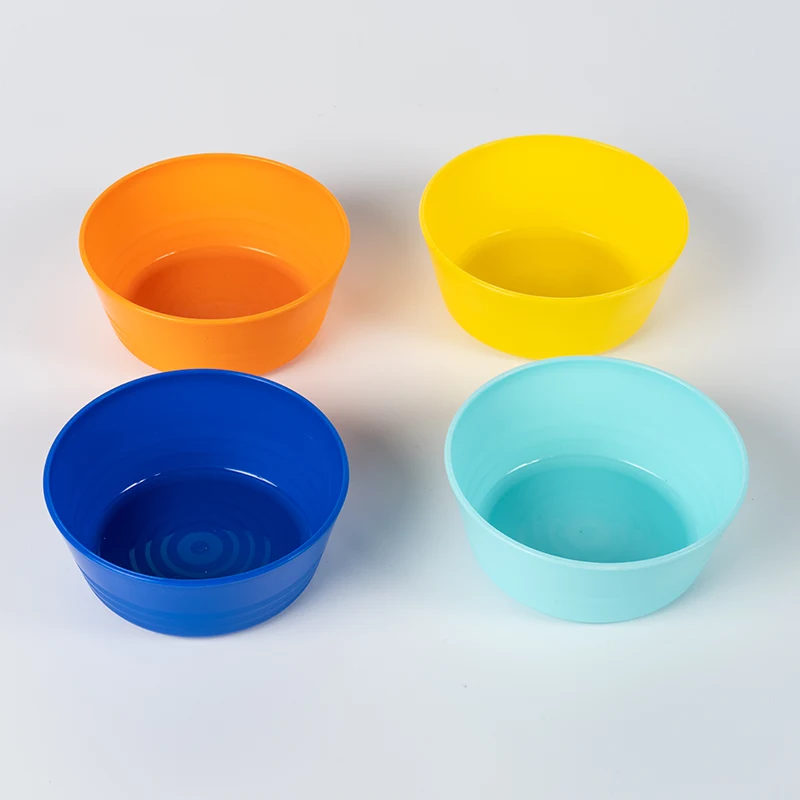
Whether you need board game accessories in multiple colors, customized toy housings, or plastic components for LED lighting, we focus on matching the manufacturing process to the product's requirements. You can also learn more about our precision injection molding and mold solutions and UV printing and surface finishing services.
For customized mass production projects, sharing product drawings, 3D files, material requirements, and estimated order quantities at the quotation stage helps us evaluate tooling, production capacity, inspection requirements, and delivery arrangements more accurately.
Manufacturers maintain consistency by controlling raw material batches, mold conditions, injection parameters, cooling cycles, and inspection procedures. First article inspection and regular in-process checks help identify deviations before they affect a large quantity of products.
There is no single parameter that determines product quality. Injection pressure, melt temperature, mold temperature, injection speed, holding pressure, and cooling time work together. The appropriate settings depend on the material, mold design, and product structure.
Common materials include ABS, PP, PC, PLA, PETG, and PA. ABS is frequently used for toy housings and board game accessories, while PC can be suitable for applications requiring impact resistance or transparency. The final choice should consider mechanical performance, appearance, processing requirements, and the product's working environment.
Yes, provided that the mold is properly designed and maintained and that filling and cooling conditions are balanced across cavities. Manufacturers should evaluate cavity-specific samples when necessary rather than relying only on measurements from mixed production samples.
The acceptable defect rate depends on product complexity, material, tolerance requirements, and the agreed inspection standard. Kingke's service specifications use a reference defect rate of ≤1% for standard products and ≤3% for complex parts. Project-specific acceptance criteria should be confirmed before mass production.
Yes. Kingke provides integrated manufacturing services covering mold design, plastic injection molding, UV printing, electroplating, hot stamping, trimming, deburring, assembly, and customized packaging. Combining these processes helps simplify production coordination and finished-product delivery.
We recommend providing 2D drawings or 3D files, the preferred plastic material, product dimensions, color requirements, estimated order quantity, annual demand, and any special appearance or functional standards. If you already own a mold, information about its structure, cavity count, and current condition is also useful for evaluating production feasibility.
Maintaining quality in high volume injection molding is a continuous process involving material selection, mold preparation, machine adjustment, production monitoring, and final inspection. A stable process reduces unnecessary waste, limits dimensional variation, and makes large orders easier to manage.
At Kingke, we combine precision mold design, automated production, and supporting surface finishing and assembly services to manufacture customized plastic components for different industries. Our goal is straightforward: to make every production batch meet the agreed specifications while maintaining practical production efficiency and dependable delivery.
-