
Our recommendation is to give every supplier the same request for quotation (RFQ), ask for a baseline offer against it, and keep proposed alternatives on separate lines. A lower number becomes useful when you can explain which requirement, quantity or operation produced the difference.
Send a released component list, CAD and drawings, quantities per game and per color, material and finish requirements, artwork, packing instructions and the required delivery point. Request separate tooling and recurring production charges. Ask suppliers to mark each operation as included, separately priced, excluded or awaiting clarification. Compare complete plastic kits using the same contents and operations, then evaluate alternative tooling or materials as separate proposals.

1. Define the unit that the supplier is pricing
Start with a sentence describing the deliverable. For example, you may need the complete plastic component kit for one game, with each player color counted into its own bag. In this guide, a plastic kit means the specified plastic parts for one game. Cards, boards, retail boxes and other items are included only when the RFQ lists them.
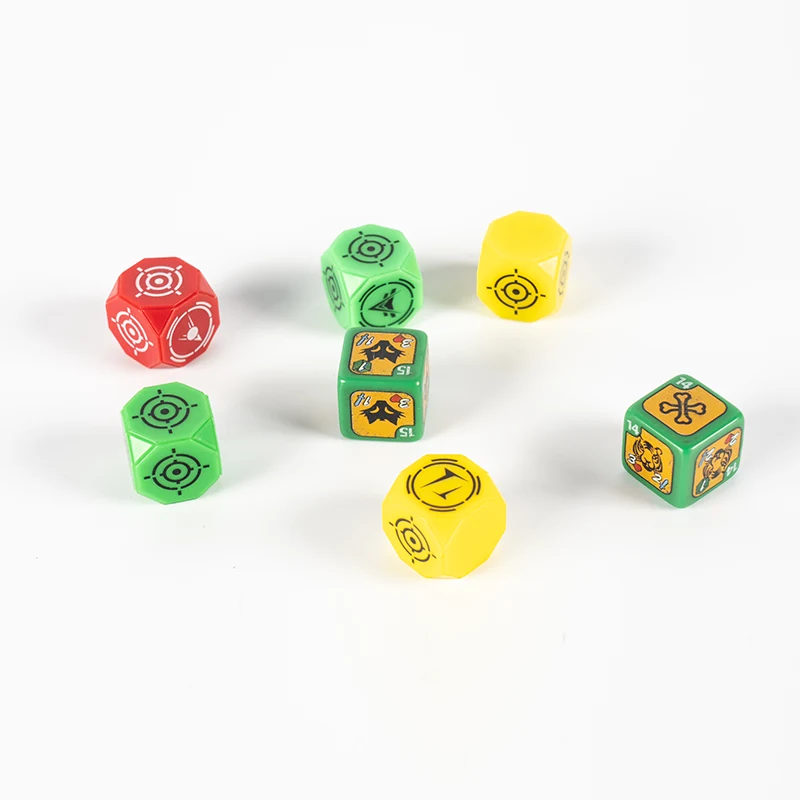
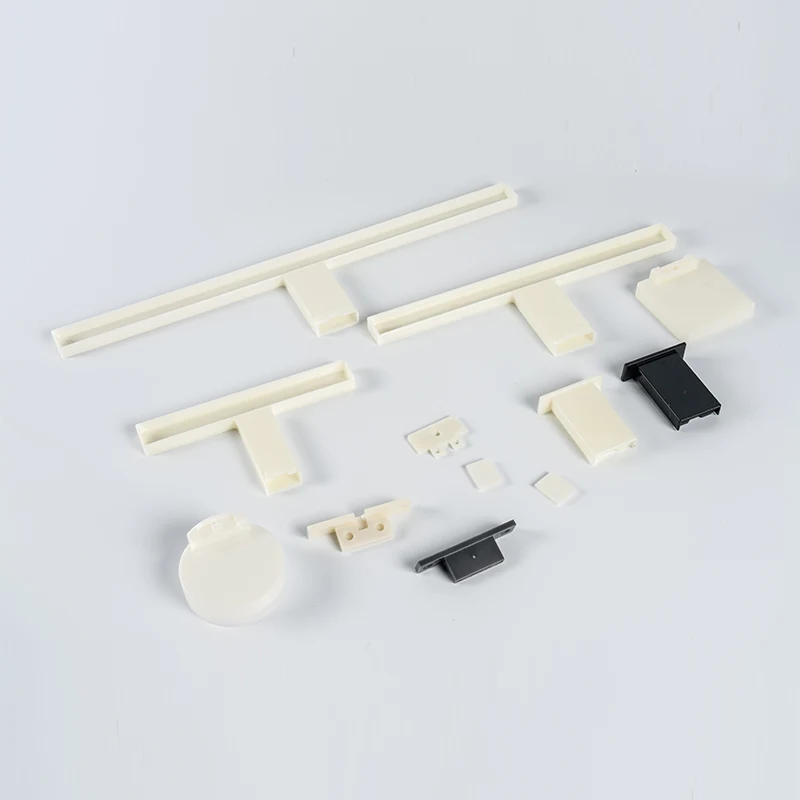
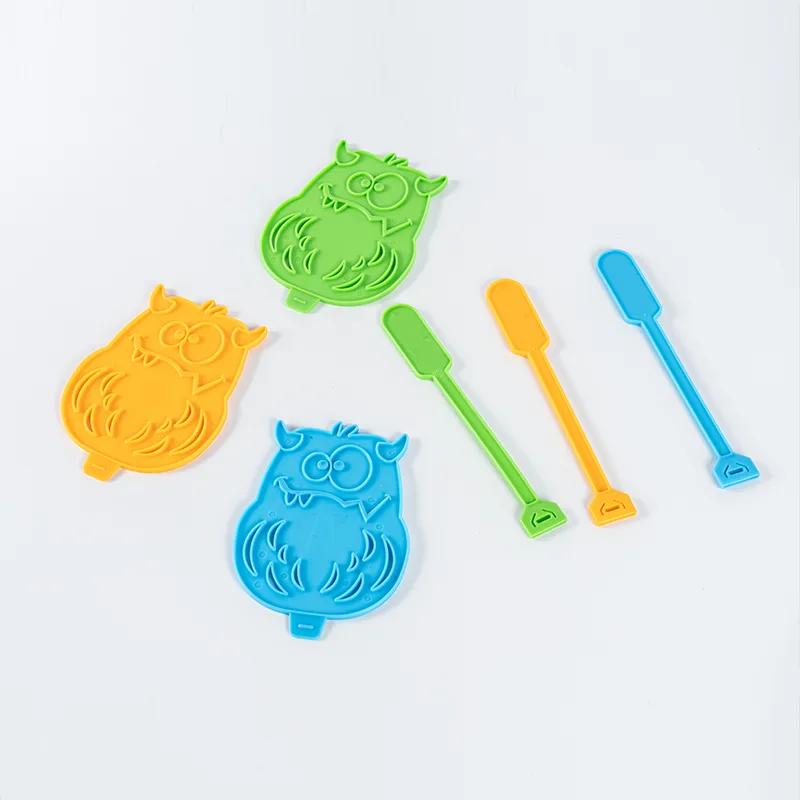
Kingke's custom manufacturing services cover molding, surface treatment, assembly and packaging. The board game plastic component range also includes shapes, colors, textures and printed designs. Those service options make it possible for two offers to cover different amounts of work.
| Price unit | What it describes | What needs confirmation |
|---|---|---|
| Per molded piece | One physical plastic part in the stated material and color. | Trimming, decoration, assembly and packing included in that price. |
| Per finished component | One part after the listed secondary operations. | Which faces, artwork versions and finishing steps are covered. |
| Per player bag | A counted group of parts for one player color. | The number and identity of parts in the bag. |
| Per plastic kit | All specified plastic parts for one game. | Kit contents, color mix, bagging and any outer packing included. |
Ask for the price unit beside every number. If one supplier quotes per loose piece and another per packed kit, first convert the quantities and reconcile the operations. Dividing the kit price by the number of parts still leaves its assembly and packing work inside the result.
For the underlying cost categories, read the board game manufacturing cost guide. The RFQ's job is to turn those categories into a shared purchasing scope.
2. Translate game quantity into part and color quantities
Give the supplier the quantity of games and a bill of materials showing the contents of each game. List every unique molded geometry, its color versions and any extra parts ordered outside the kit. Keep replacement quantities separate from the standard contents.
For an illustrative order, assume 1,000 games. Each game uses four player colors, with three identical pawns and six identical tokens in each color. The example includes no spares. Its quantities are:
| Component | Pieces per color per game | Colors | Pieces per game | Order total | Order quantity per color |
|---|---|---|---|---|---|
| Pawn P01 | 3 | 4 | 12 | 12,000 | 3,000 |
| Token T01 | 6 | 4 | 24 | 24,000 | 6,000 |
| Complete plastic kit | Contents combined | 4 player colors | 36 | 1,000 kits containing 36,000 pieces | One player group of each color per kit |
Part quantity = game quantity × pieces of that part per game
The RFQ therefore describes 1,000 plastic kits, 36,000 molded pieces and a specific quantity for each color version. A request for "1,000 units" would leave the supplier to choose among those meanings.
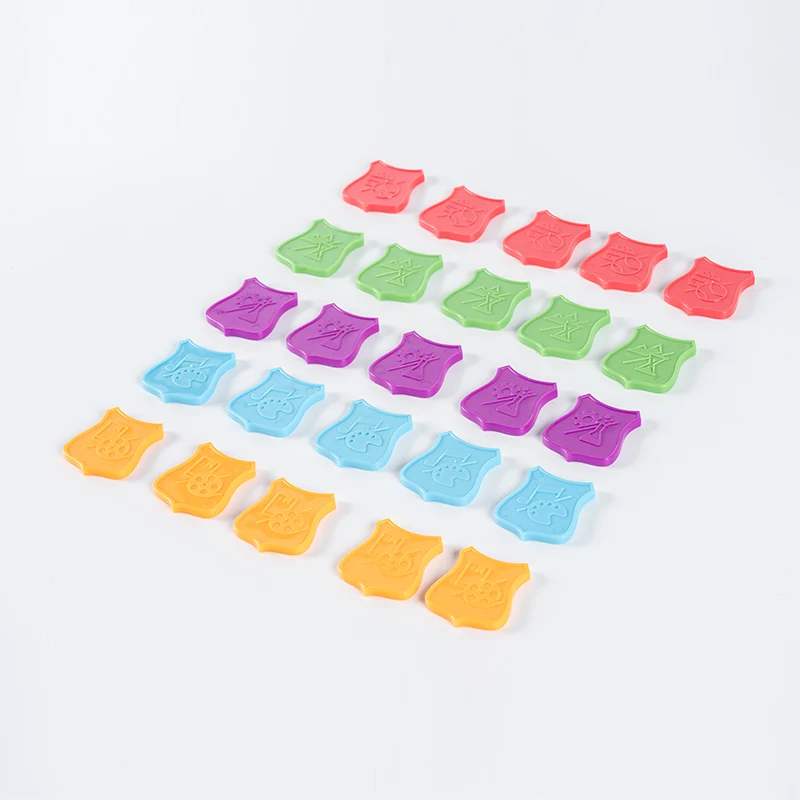
Kingke's plastic token page lists custom shape, size, thickness, color and printed content. Give each purchased version a clear reference. A color variant may share geometry with another part while still needing its own quantity and appearance approval.
List a possible reprint as a separate planning scenario. A forecast can inform the tooling discussion, but the supplier should be able to distinguish it from the quantity being purchased now.
3. Freeze the package that every supplier receives
Use one dated RFQ release with stable part IDs. Link the component list to the current CAD, drawing, material request and artwork. If you revise the package during the enquiry, tell each supplier which files changed and request confirmation of the new quotation basis.
Kingke's DFM and cost estimation service starts with 3D drawings and product requirements. Its published assessment includes mold, molding, material, surface treatment, assembly, packaging, logistics and testing costs. Those categories need project inputs before they can become comparable quotation lines.
| RFQ item | Information to provide | Supplier response to request |
|---|---|---|
| Geometry | Current 3D model, part revision and controlled drawing. | List the quoted revision and any proposed geometry change. |
| Material | Specified grade, or the behavior and appearance needed if selection is open. | State the proposed material and identify alternatives separately. |
| Appearance | Color reference, texture, visible faces and protected surfaces. | Record the finish and approval assumptions included. |
| Decoration | Artwork, printed faces, final size and placement proof. | Specify the print route, setup and recurring charges. |
| Quantities | Parts per game, order total, color mix and separate spares. | Show the unit and quantity used on each price line. |
| Assembly and packing | Mating parts, completed accessory or kit contents, bagging and carton requirements. | State which operations and materials are included. |
| Acceptance | Critical fit requirements, cosmetic references and requested inspection evidence. | Define the sampling and approval scope being offered. |
If the material is still open, invite a recommendation with its assumptions. Keep the recommended material visible in the offer. Two suppliers who select different plastics are giving you two technical proposals that need review before the prices can be ranked.
The CAD file preparation guide covers the manufacturing files in more detail. The RFQ should reference that package rather than repeat geometry requirements across email threads.
4. Separate tooling investment from recurring production
Ask for a tooling proposal that identifies the molded parts, cavity arrangement, major assumptions and included trial work. Put its charge on a distinct line, even if the supplier also offers a combined commercial arrangement.
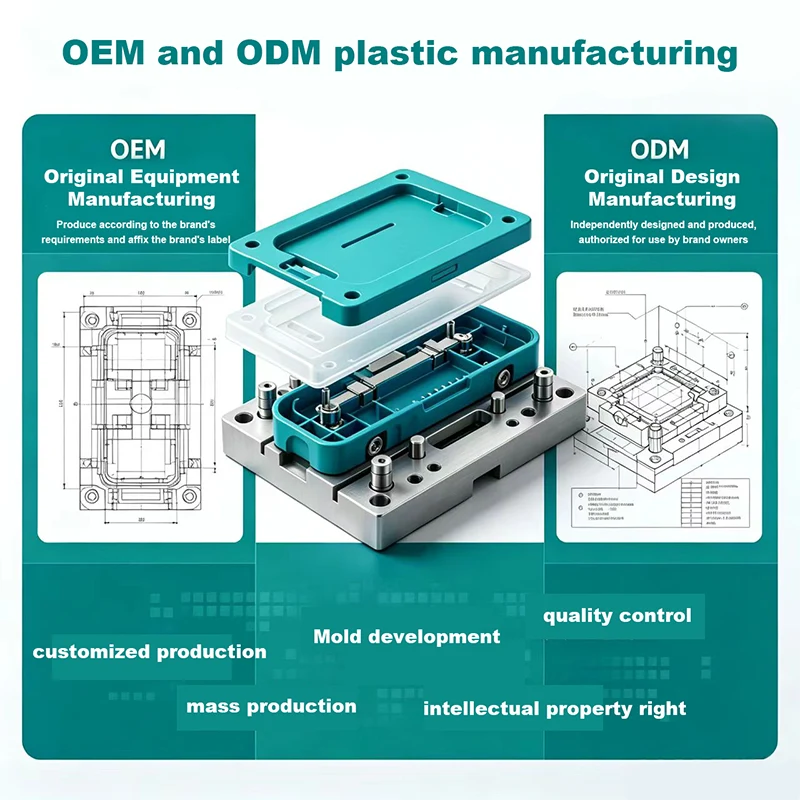
Kingke's plastic injection mold service describes single-cavity and multi-cavity configurations, mold testing, sample validation and maintenance support. Ask which of those items the specific proposal includes. A service page describes available work; the quotation defines what you are purchasing for the project.
Resolve the following points in the proposal:
- Which parts share a tool, and the output ratio of the proposed cavities.
- Which samples, trial rounds and corrections the quoted scope covers.
- The basis for charging product changes made after the reviewed release.
- The agreed ownership, storage, access and maintenance arrangements.
- What a repeat order can reuse and what work would be quoted again.
A family-tool proposal and separate-tool proposal can both be useful. Ask the supplier to label them as alternatives against the same component quantities. The family mold comparison explains the production-ratio and revision questions behind that choice.
Keep optional development stages visible as well. If a prototype tool precedes a production mold, identify which design data or physical tooling transfers to the next stage. The prototype route guide provides the decision framework for that work.
5. Price decoration by part, face and artwork version
A render with a logo is a starting reference. The quotation also needs the physical print area, orientation, artwork revision and number of versions. If different colors use different graphics, link each graphic to the relevant component version.
Kingke offers screen and pad printing as well as UV digital printing. Its published pages describe screen printing for larger flat areas, pad printing for curved or irregular components, and full-color UV printing options. The actual part and artwork determine the proposal to review.
Ask for setup charges and recurring decoration charges to be distinguishable. State whether every part is decorated on one face, several faces or selected areas. Include any specified surface treatment or coating in the same decoration brief.
One shape with several artwork versions
Suppose a token has one shared geometry, but each player color carries a different symbol. The RFQ needs both the molded-color quantities and the artwork-to-color relationship. A supplier who receives only the total token count may be pricing a simpler decoration scope than the one you intend.
If the supplier proposes another print process, ask for an alternative line showing the same artwork, faces, appearance target and packing requirements. You can then review the proposed process change and its price together.
Use the artwork file guide to prepare the editable artwork and placement proof. Keep their revision aligned with the model used for the quotation.
6. Define assembly, packing and the delivery point
Kingke's production service page lists trimming, deburring, assembly, surface treatment and customized packaging. Include the operations you need in the RFQ so the response can identify them explicitly.
For a player kit, specify the parts and color in each bag, the number of bags per game kit and any labels required. For an assembled accessory, provide the mating-part references and identify who supplies purchased items. If final retail packing happens elsewhere, state the form in which that partner should receive the plastic components.

Also identify the destination and required delivery point. Ask where the quoted delivery scope ends, which transport charges are included and which still need confirmation. A production quote and a delivered quote answer different purchasing questions.
For schedule planning, separate the requested sample date from the required production or dispatch date. Ask the supplier to show the approval dependencies in its proposed schedule. Use the agreed project plan instead of a generic lead-time claim.
Mark an open packing requirement as open
If bagging or carton requirements are unsettled, request the molded-part offer with a stated provisional packing basis. Keep the final packing charge pending. Treating an unresolved item as zero makes the comparison look more complete than it is.
7. Reconcile the responses before ranking prices
Read the assumptions and exclusions first. Assign each required item one status: included, separately priced, excluded or awaiting clarification. "Included" also needs a boundary, such as the artwork versions or packing operations it covers.
The following responses are illustrative. They show why the first task is to align the offers, even when both suppliers have returned a price.
| Item | Response A | Response B | Action before price comparison |
|---|---|---|---|
| Price unit | Per loose molded piece. | Per complete plastic kit. | Expand the part quantities and identify the operations inside each total. |
| Tooling | Separate tooling line. | Tooling recovered through the unit price. | Request a distinct tooling basis and the terms for repeat production. |
| Material | The requested grade. | A proposed alternative grade. | Obtain the baseline offer or approve the technical change separately. |
| Printing | Awaiting final artwork. | The specified faces and artwork included. | Keep A's print charge open until the same artwork is quoted. |
| Packing | Loose parts in bulk packing. | Counted bags by player color. | Request the same bag contents and packing materials. |
Reconcile the recurring subtotal only after the required operations are priced. Where a supplier cannot yet quote an item, leave the comparable total incomplete and list the question needed to complete it.
Recurring cost per plastic kit = recurring total for the agreed scope ÷ complete plastic kits supplied
In that calculation, keep tooling and other separately stated development charges outside the recurring total. Compare the initial purchase as another total that includes its agreed development scope. A repeat-order scenario needs its own assumptions about reusable tooling, setup, inspection and delivery.
Our preference is to request one clearly named baseline offer and a separate list of changes that could reduce cost. That lets you see whether a saving comes from a manufacturing proposal, a changed product requirement or an operation removed from scope.
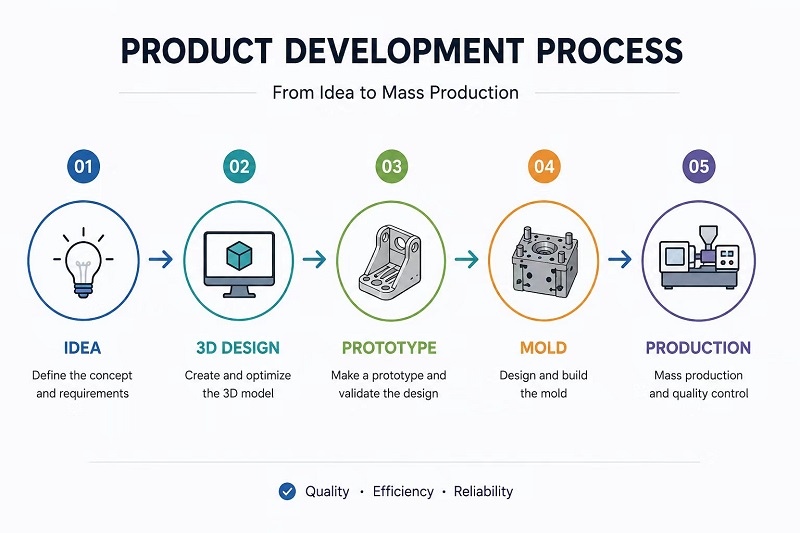
A five-step RFQ workflow
Use the same sequence for the first enquiry and for any revision that changes the purchasing scope.
-
Issue one controlled design release
Collect the active component list, CAD, drawings, material request, appearance references and artwork. Give the package a revision and send the same release to each supplier.
-
Define quantities and the delivered unit
State game quantity, parts per game, quantities by color and artwork, separate spares and the required plastic kit contents. Identify the assembly, packing and delivery boundary.
-
Request an itemized baseline response
Ask for tooling and recurring production to be distinguishable. Require the quoted revisions, cavity proposal, sampling scope, operation status and open assumptions. Put alternatives on separate lines.
-
Resolve differences in scope
Compare materials, quantities, decoration, assembly, packing and delivery. Request revised offers where the assumptions differ. Keep unpriced required work open rather than treating it as free.
-
Confirm the selected offer and approval plan
Record the accepted quotation revision, included operations, approved alternatives and remaining decisions. Align the sample approval scope and proposed schedule before authorizing the next stage.
A useful instruction to place at the start of the enquiry is:
Please quote the attached component release and quantity matrix as the baseline. State the price unit for each line, separate tooling from recurring production, and identify included operations, exclusions and open assumptions. List any proposed material, geometry, decoration or packing changes as separately priced alternatives.
Before selecting an offer, check that its part revisions, artwork, material assumptions and packing list still match the active RFQ. The chosen quotation should give the project team a shared reference for the next approval.
Frequently asked questions
Can I request a quote before the design is final?
Yes. Identify the files as a concept-stage release and ask the supplier to state its assumptions. Use the response to review options. Before making a purchasing commitment, update the quotation against the agreed design, material, artwork, quantities and packing scope.
Should I provide the number of games or the number of plastic pieces?
Provide both. Include a bill of materials showing parts per game, quantities by color and artwork, and separate spare quantities. State whether the price should be per piece, finished component, player bag or complete plastic kit.
Does a quoted unit price include printing and packing?
Confirm that in the specific offer. Ask the supplier to mark printing, assembly, bagging and other required operations as included, separately priced, excluded or awaiting clarification. Keep the corresponding artwork and packing requirements with the quotation.
How should I compare a cheaper alternative material or mold layout?
Request it as a separate alternative to the baseline offer. Record the proposed material or tooling change, its effect on the product and production plan, and the checks needed for approval. Compare its price after the technical scope is clear.
Should a possible reprint be included in the initial RFQ?
Show it as a separate planning scenario with its expected quantities and mix. Ask which tooling and development work can be reused and what charges would apply to the repeat order. Keep the forecast distinct from the committed launch quantity.
Request a quote for your complete component set
Send your current CAD and drawings, part and color quantities, material and appearance requirements, artwork and packing instructions. Kingke can review the tooling, molding and finishing scope for your custom plastic components.
Discuss your component RFQ