
A DFM review should do more than label a model “moldable.” It should connect the released CAD file to a mold concept, decoration plan, cost scope and sample approval method. For board game projects, that record also has to keep an entire family of pawns, tokens, cubes and accessories under control.
Quick answer
Before tooling, issue one controlled package containing the latest 3D models, any critical 2D dimensions, a component matrix, material and color requirements, decoration files, assembly information, quantity assumptions and sample acceptance criteria. The DFM response should record product-structure risks, the proposed cavity and parting strategy, cooling, ejection, core pulling, printing access and every open assumption. Approve a named file revision, not a screenshot or an email that says “looks good.”
1. What this DFM checklist covers
Kingke's published DFM analysis and cost estimation service starts with the client's 3D drawings and product requirements. Its stated structure review covers wall-thickness uniformity, draft angle, rib strength, undercuts, air-trapping risk, shrinkage and deformation trends, and assembly rationality.
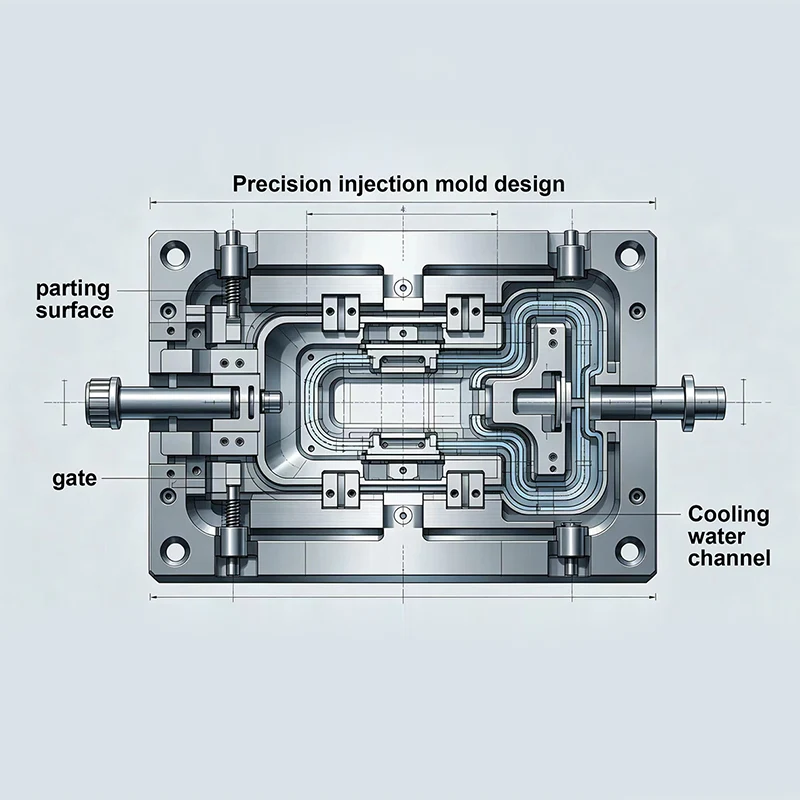
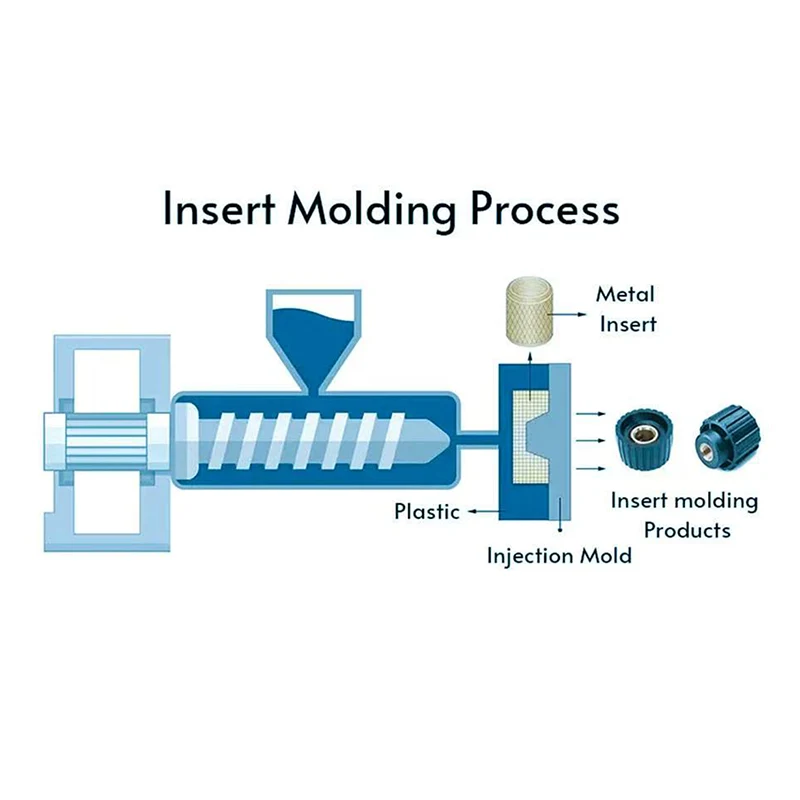
The same service page extends the review into mold feasibility. It lists cavity layout, parting surfaces, cooling, ejection, core-pulling structures, single-cavity or multi-cavity choices, and whether a hot runner is required. Those are not separate conversations. A change to the part can change the mold plan, and a mold constraint can require a product decision.
This article turns that published scope into a buyer-side approval sequence. The sequence is an editorial synthesis of Kingke's own service and product pages. It does not add universal wall-thickness numbers, tolerance promises, resin limits or delivery claims that are absent from those sources.
A useful DFM package shows what was checked, what changed, who owns each open question and which revision can move forward. A long presentation is not automatically a better report.
2. Control the input package before the engineering review
Most avoidable confusion begins before anyone studies a draft angle or parting line. The quotation may refer to one model while the artwork uses another. A spreadsheet may call two pieces identical even though their bases differ. A supplier may receive a render that hides the assembly features.
Start with a component matrix. Give every unique molded item a stable part ID, a plain-language name and a revision. If a game has six pawn colors from one mold geometry, record that relationship. If two similar miniatures require different molds, record that too.
| Input | What to include | Why the DFM reviewer needs it |
|---|---|---|
| 3D model | One current solid model for every unique molded part, with the revision in the file name. | Provides the geometry used for wall, draft, undercut and mold-structure review. |
| 2D control drawing | Only dimensions, fits, datums and notes that truly control acceptance. | Separates product requirements from dimensions that can follow the 3D model. |
| Component matrix | Part ID, quantity per game, color version, shared geometry and expected production mix. | Connects cavity planning and quotation assumptions to the actual game set. |
| Material brief | Specified resin when known, or the required behavior and finish when selection remains open. | Prevents a provisional material assumption from becoming an invisible commitment. |
| Appearance brief | Cosmetic faces, texture, color references, allowable marks and protected areas. | Guides parting, gate, ejector and decoration decisions. |
| Artwork package | Final or near-final vector artwork, print colors, placement and orientation. | Lets the supplier check process access and alignment on the real geometry. |
| Assembly context | Mating parts, card thickness, inserts, boards, trays or moving relationships. | Allows assembly rationality to be reviewed with the surrounding product. |
| Acceptance plan | Critical fit checks, visual review, standing or stacking checks and approved references. | Defines how samples will be judged after the tool is built. |
Do not wait for every commercial detail to be perfect. Instead, mark uncertain items as open assumptions. “Material to be confirmed after appearance sample” is useful. Leaving the material cell blank is not.
If the design package still needs preparation, the CAD file guide for custom board game pieces explains how to organize geometry, dimensions and revision ownership before manufacturing review.
3. Review the product structure against the intended use
A structure review should begin with the game function, not with isolated CAD warnings. A pawn has to stand and remain easy to pick up. A token may need a flat print face and predictable stacking. A cube may carry artwork on several faces. A card holder must fit the intended card while keeping the visible design clean.
Kingke's DFM page names seven product-level review areas. Turn each one into a question tied to the actual component:
- Wall-thickness uniformity: where does the part change from a shell to a heavy local mass?
- Draft angle: which surfaces release in the proposed opening direction, and which do not?
- Rib strength: which ribs support a function, and which are leftovers from an earlier model?
- Undercuts: can the feature be changed, or does the mold need a moving structure?
- Air-trapping risk: where are the closed ends or late-filling details that need attention?
- Shrinkage and deformation trend: which broad, flat or locally heavy areas need focused review?
- Assembly rationality: do the mating direction, retention method and accessible surfaces match the product?
The output should show the location of each concern on the model. A comment such as “increase draft” is incomplete if it does not identify the face, opening direction and effect on the visible shape. The same applies to wall and rib comments.
Mark non-negotiable game functions and licensed visual features first. The engineering team can then distinguish a feature that may be simplified from one that needs a different mold solution.
4. Connect every part decision to the proposed mold
A model can look clean on screen and still leave the tooling plan unresolved. Kingke's precision injection mold design page lists cavity layout, parting surface, mold base, cooling, hot or cold runners, ejection, slides, core pulling and venting within its design scope.
Ask the supplier to place the main mold decisions on views of the actual component. The report should show an opening direction, a preliminary parting route, proposed gate region, ejector zones and any moving structures. For a multi-cavity proposal, it should also identify which parts share a tool and how the production mix was considered.
The mold concept does not need to be a finished tool design at the first review. It does need enough definition to expose tradeoffs. If a hidden gate requires a different ejection surface, or an undercut requires a slide that changes the parting line, the buyer should see that before steel is released.
Kingke's plastic injection mold page says its mold work can include single-cavity and multi-cavity configurations, flow, cooling and ejection optimization, mold testing and sample validation. Use those items as named checkpoints, not as a general promise that every tool will use the same solution.
5. Plan the full component family, not one attractive part
Board game projects rarely contain one isolated component. The mold plan has to serve the set that goes into the box. This is where the component matrix becomes a production document rather than an administrative spreadsheet.
For each geometry, record the quantity per game and the expected color versions. Then compare those ratios with the proposed cavity plan. A cavity arrangement that produces equal quantities may not match a game that uses one component far more often than another.
Keep shared and unique requirements separate:
- Shared color language does not prove that all parts use one material grade.
- Shared height does not prove that pawns have the same molding structure.
- Shared artwork style does not prove that every surface accepts the same print process.
- Shared packaging does not prove that all parts can be sampled or inspected together.
- Shared tool ownership does not remove the need for part-level revision records.
If parts may share one mold, use the component matrix to compare production balance before approving the layout. The article on family molds versus separate molds for board game pieces provides a focused decision framework for that choice.
6. Include material, color and decoration in the same review
Kingke's board game plastic components page lists custom shapes, colors, textures and printed designs, including UV and pad printing. That makes appearance part of the manufacturing brief, not a step to improvise after the mold is complete.
Mark every decorated area on the 3D view. Add the artwork orientation, number of colors and acceptable alignment reference. Protect any face where a gate, ejector mark or parting line would interfere with artwork or with how the piece is handled.
| Published Kingke capability | Site-described fit | Question to resolve in DFM |
|---|---|---|
| Pad printing | The service page presents it for curved, round, arc-shaped, embossed and irregular parts. | Can the pad reach the print zone and hold the required registration on this geometry? |
| Screen printing | The service page presents it for larger flat product areas. | Is the print face flat and accessible, and what feature establishes orientation? |
| UV digital printing | The site presents full-color patterns, gradients, illustrations and logos on plastic components. | Does the actual surface and artwork fit the proposed UV printing setup? |
| Molded color | Kingke product pages offer customized component colors. | Which color reference, resin and approved sample will control the production color? |
| Texture or molded detail | The board game component page lists customized textures and shapes. | Will the parting, draft and release direction preserve the intended visible detail? |
These descriptions come from Kingke's published screen and pad printing and UV digital printing pages. They are process-selection starting points. Final suitability still depends on the submitted component and artwork.
For file preparation, use the artwork-file checklist for printed game components. If the process remains open, compare the two methods in the pad printing versus UV printing guide.
7. Define what the quotation includes and what can change it
A DFM-approved design is not useful if the commercial scope still refers to another assumption. Kingke's DFM and cost-estimation page lists mold, injection molding, material, surface treatment, assembly, packaging, logistics and testing as cost categories in its assessment scope.
Use those categories as a quotation boundary. The buyer does not need a public price formula. The buyer does need to know which design revision, quantity assumption, material, finish and packaging basis each line covers.
Ask the quotation to state:
- The part IDs and revision used for mold pricing.
- The proposed cavity arrangement and any shared-tool assumption.
- The resin and color basis used for molded-part pricing.
- The decoration method and artwork scope included.
- Any assembly, insert or secondary-operation basis.
- The packaging format and packing quantity used for the estimate.
- Testing and logistics items that are included, excluded or still open.
When the design changes, record which cost categories need a new review. A revised undercut may affect the mold structure. A new full-color graphic may affect decoration. A different quantity mix may affect how a family tool is evaluated. This change log is more useful than asking whether the “price is still valid” without naming the changed input.
8. Agree on sample approval before the first sample arrives
Kingke's mold page includes mold testing and sample validation within its stated support. The buyer should define the validation record before samples are shipped. Otherwise, feedback becomes a collection of annotated photos with no clear link to the approved model.
Create a sample sheet for every part ID. Record the cavity when the tool has more than one, the material and color used, the model revision, and whether the sample includes final decoration. Photograph the same views for each review round.
Separate observations into four groups:
- Function: fit, assembly, standing, stacking, handling and interaction with the real game.
- Appearance: visible marks, texture, color relationship, parting line and decoration placement.
- Consistency: differences between cavities, pieces or review rounds.
- Documentation: model revision, open deviation, owner and required next action.
Approve deviations explicitly. If a gate witness is accepted on the underside, put that location in the visual standard. If a parting line has been moved, update the DFM image. The next batch should not depend on someone remembering an earlier video call.
When a defect appears, use the injection-molding defects guide for board game pieces to organize the observation by location, cavity and revision before changing the product.
9. Add checks for the specific component type
Plastic pawns and figures
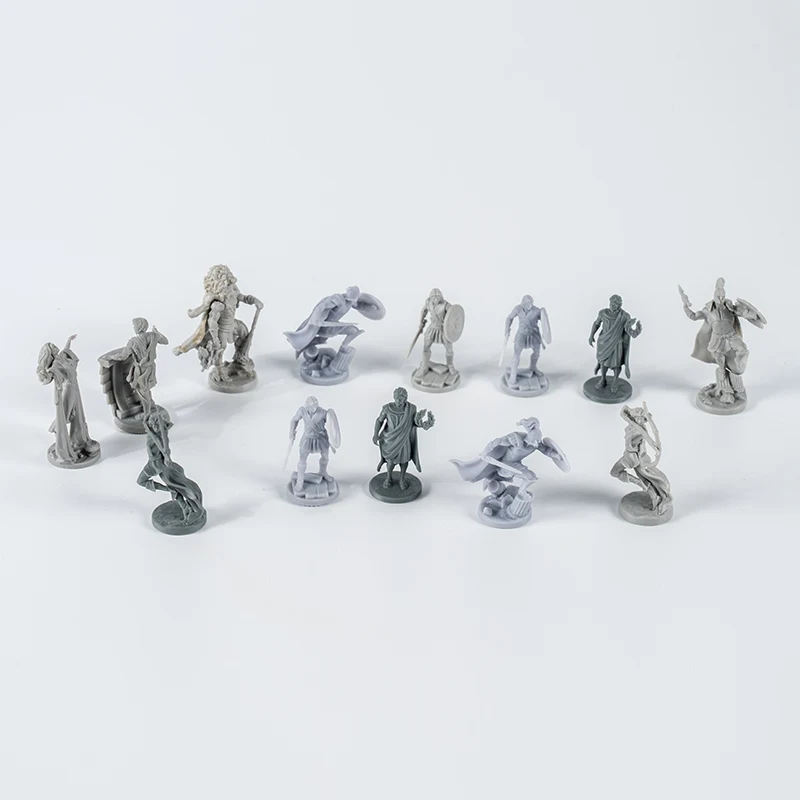
Kingke's plastic pawn page offers custom poses, proportions and shapes and identifies ABS as the material used on that product page. For DFM, mark the intended standing plane, base shape, fragile details, visual front and any areas planned for painting or printing. Confirm each pose separately because a changed limb or base can create a new mold decision.
Plastic tokens
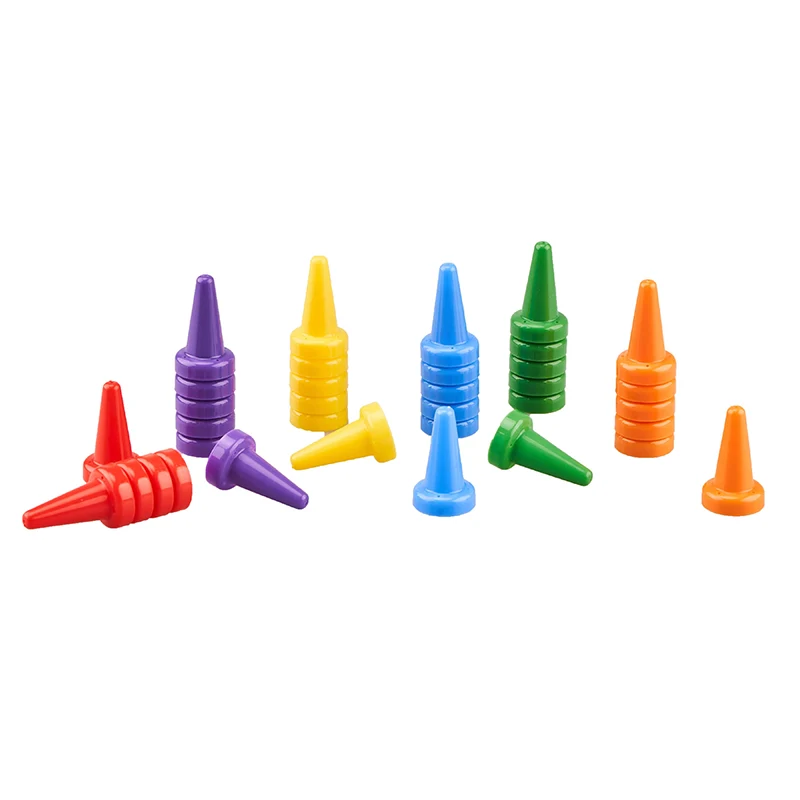
Kingke's plastic token page lists PP and ABS, custom shapes, sizes, thicknesses, colors and printing. The DFM package should identify the two visible faces, edge condition, stacking requirement and decoration zone. Do not let an artwork recess or raised rim appear only in a late artwork file.
Plastic cubes
The tabletop game plastic cube page also lists PP and ABS and describes customized size, color and printed content. A cube review should identify which faces receive print, how face orientation is controlled and what the game expects from stacking. Treat the object as six functional faces rather than a generic block.
Holders, trays and multi-part accessories
Kingke's board game component range includes holders and storage accessories as well as smaller playing pieces. Add the mating card, token or insert to the DFM package. Mark assembly direction, contact faces, moving relationships and the visible surfaces that need protection from mold marks.
10. What a useful DFM report should let the buyer approve
The report should end with decisions, not just observations. A compact table can link each issue to the model location, proposed action and approval status. Keep rejected ideas in the record so the same option is not raised again without new information.
| Report section | Minimum useful content | Buyer approval |
|---|---|---|
| Document control | Project, part ID, file revision, date and list of received inputs. | Confirm that the correct package was reviewed. |
| Product structure | Marked views for wall, draft, ribs, undercuts, air risk, deformation trend and assembly. | Accept the proposed product changes or state the protected intent. |
| Mold concept | Opening direction, parting, gate region, ejection, core pulling, cavity approach and runner assumption. | Accept visible marks and the proposed tooling direction. |
| Appearance plan | Material assumption, molded color, texture, print process, artwork placement and protected faces. | Confirm the appearance route and open sample needs. |
| Commercial basis | Cost categories covered, quantity mix, finish, assembly, packaging, testing and logistics assumptions. | Confirm that the quotation and DFM refer to the same scope. |
| Risk register | Issue, impact, proposed action, owner, due date and status. | Close, accept or keep each risk open with an owner. |
| Sample plan | Part-level checks, cavity identity, reference files, decoration status and approval record. | Define what evidence releases the project to the next stage. |
Before approval, run one final cross-check: the component matrix, 3D model, drawings, artwork, DFM report, mold proposal, quotation and sample sheet should all show the same active revision. If one document cannot show a revision, list its date and owner in the document register.
This is the most useful information gain a DFM process can create. It turns scattered design, tooling and purchasing conversations into a traceable production brief. The result is not certainty that no issue can occur. It is a clearer record of what the project team knew and approved before tooling.
Frequently asked questions
What should I send for a board game component DFM review?
Send the latest 3D model and any controlled 2D drawings, plus a component list, intended material, color and finish requirements, artwork, quantity assumptions, assembly information, cosmetic surfaces and sample acceptance criteria. Mark the revision on every file so the review and quotation refer to the same design.
What does Kingke review during DFM?
Kingke's published DFM scope lists wall thickness uniformity, draft angle, ribs, undercuts, air-trapping risk, shrinkage and deformation trends, and assembly rationality. Its mold feasibility review also covers cavity layout, parting surfaces, cooling, ejection, core pulling, cavity count and hot-runner decisions.
Should printing be included in DFM?
Yes. The print method affects which surfaces need to be accessible, flat or consistently located. Kingke's site presents pad printing for curved or irregular parts, screen printing for larger flat areas, and UV digital printing for full-color artwork. The final method still needs confirmation against the actual part, artwork and production requirement.
Can one DFM approval cover a whole family of game pieces?
A shared design language does not make the parts identical. Each pawn, token, cube or holder can have a different wall layout, parting line, gate, ejection surface and decoration zone. Approve the common rules once, but keep a part-specific record for every unique molded geometry.
When is the DFM review complete?
The review is ready for tooling approval when the buyer and supplier are referring to the same file revision, major manufacturability risks have recorded dispositions, the mold concept and decoration plan are defined, commercial assumptions are visible, and the sample approval method is agreed. Open assumptions should remain listed instead of being treated as approved facts.
Ready to review your component package?
Send the latest 3D files, component matrix, material and color brief, artwork, quantities and acceptance requirements. Kingke can review the product structure, mold concept and quotation scope against the same controlled revision.
Request a DFM review