
Putting several game pieces into one injection mold can reduce the number of tools you need. It can also lock unrelated parts into the same material, color, production ratio and maintenance schedule. The right choice depends on how the pieces behave as a set, not simply on whether they fit inside one mold base.
Quick answer
Consider a family mold when the pieces use the same resin and color, are ordered in a stable ratio, have reasonably similar molding behavior and are unlikely to change independently. Choose separate molds when materials, colors, quantities or revision schedules differ, or when one difficult part could compromise the rest of the tool. Ask for both options during DFM. A lower initial tooling quote does not automatically produce the lower total cost.
1. What the two tooling options mean
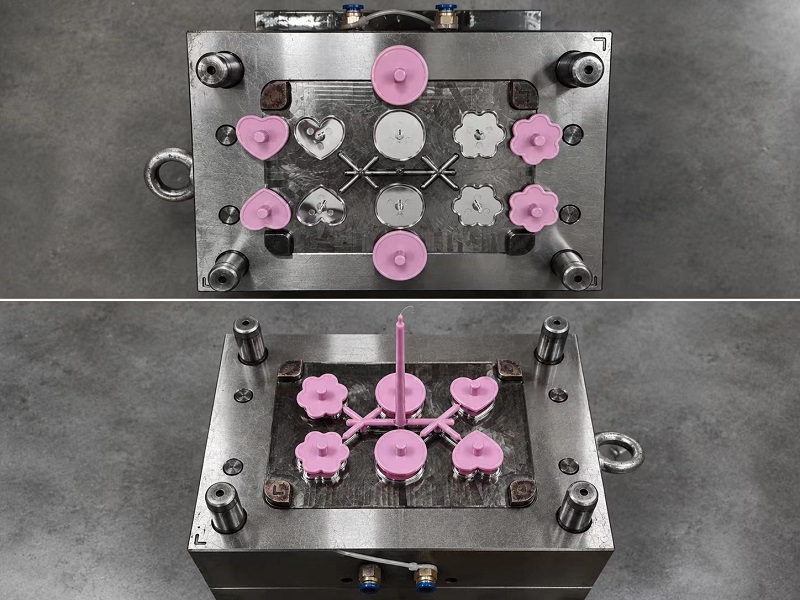
A family mold is a multi-cavity injection mold in which different cavities form different parts. A separate-mold plan gives each part, or each compatible group of parts, its own tool. This is different from a standard multi-cavity mold that repeats the same part several times.
Autodesk defines a family mold as a tool that places multiple plastic parts in one mold base. Its guidance says successful family molds depend on balance and that the parts should be similar in shape, volume and flow length. See Autodesk's official family mold documentation.
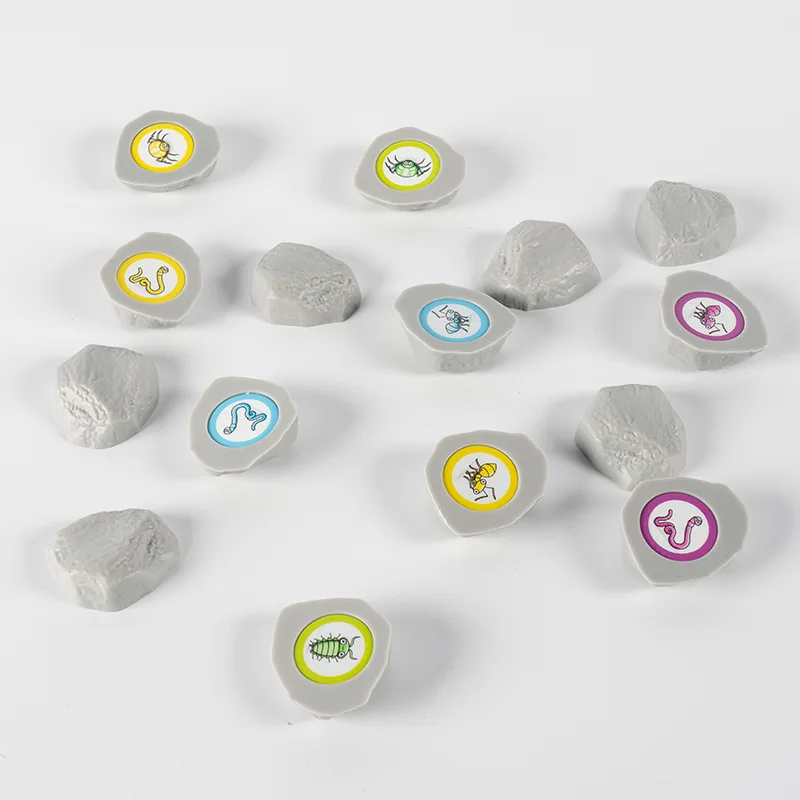
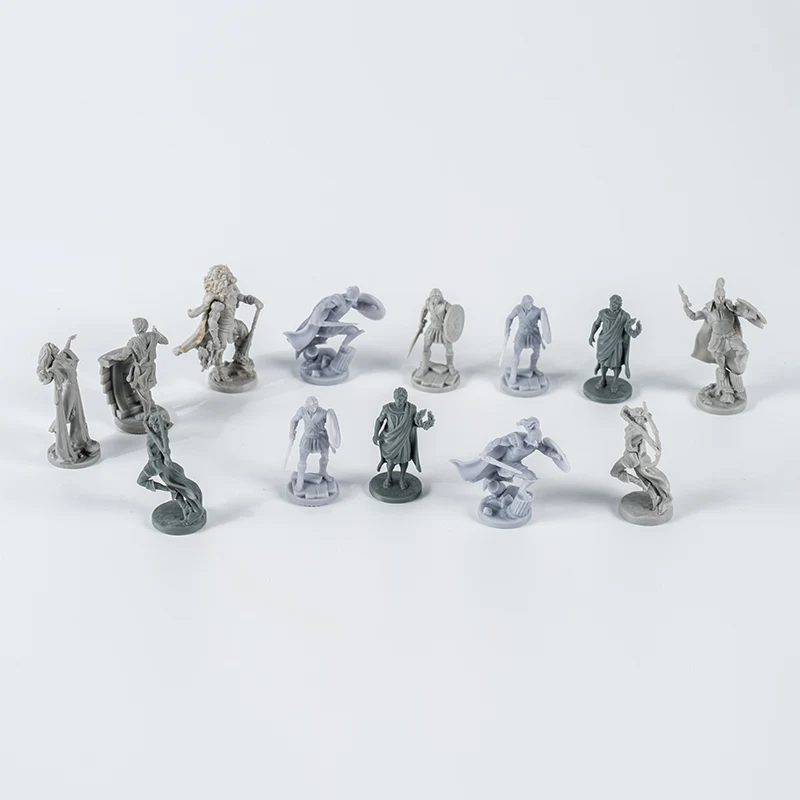
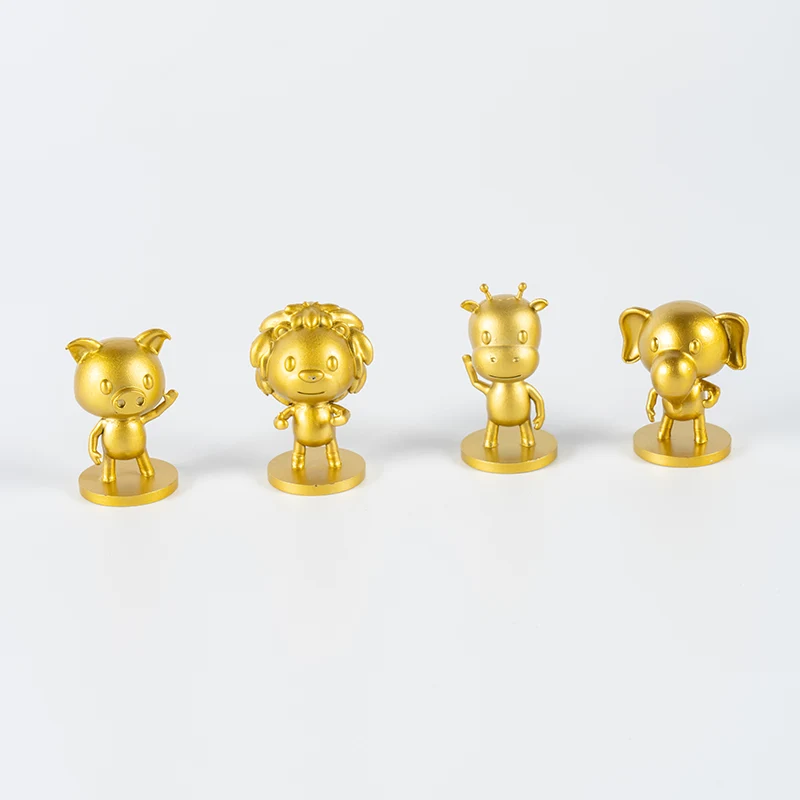
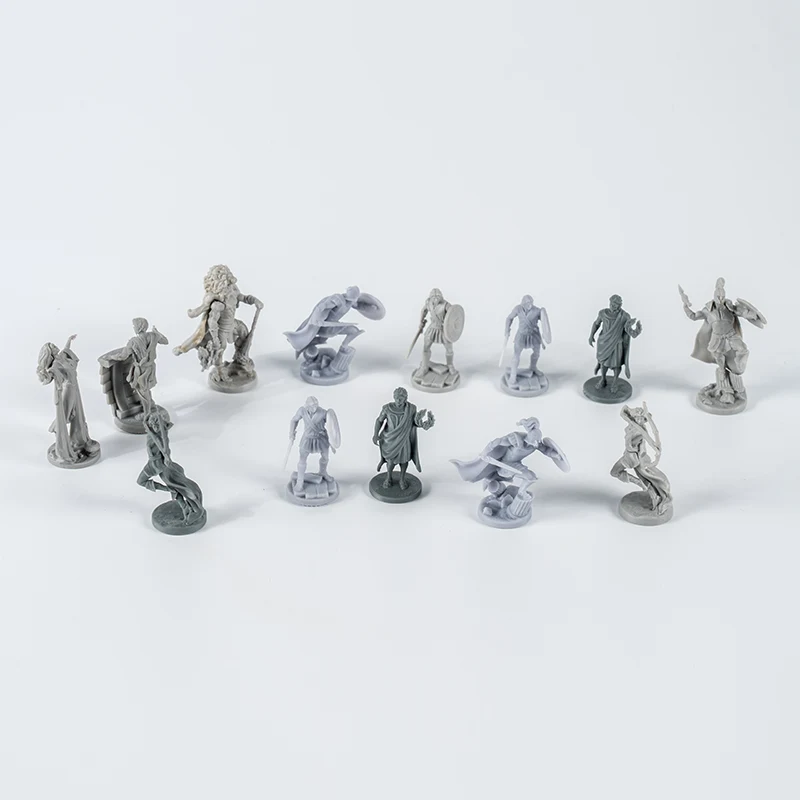
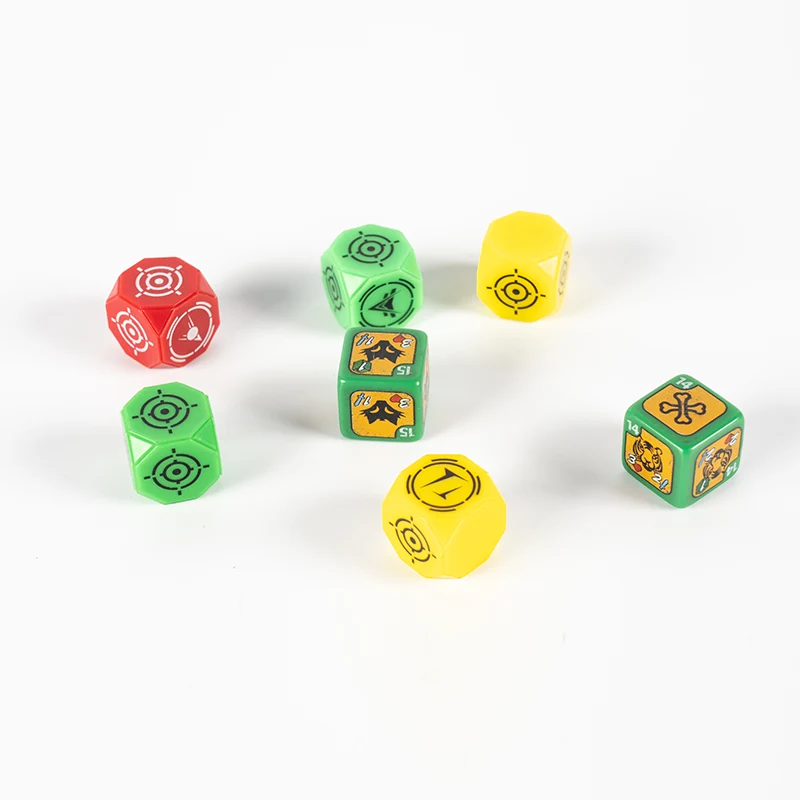
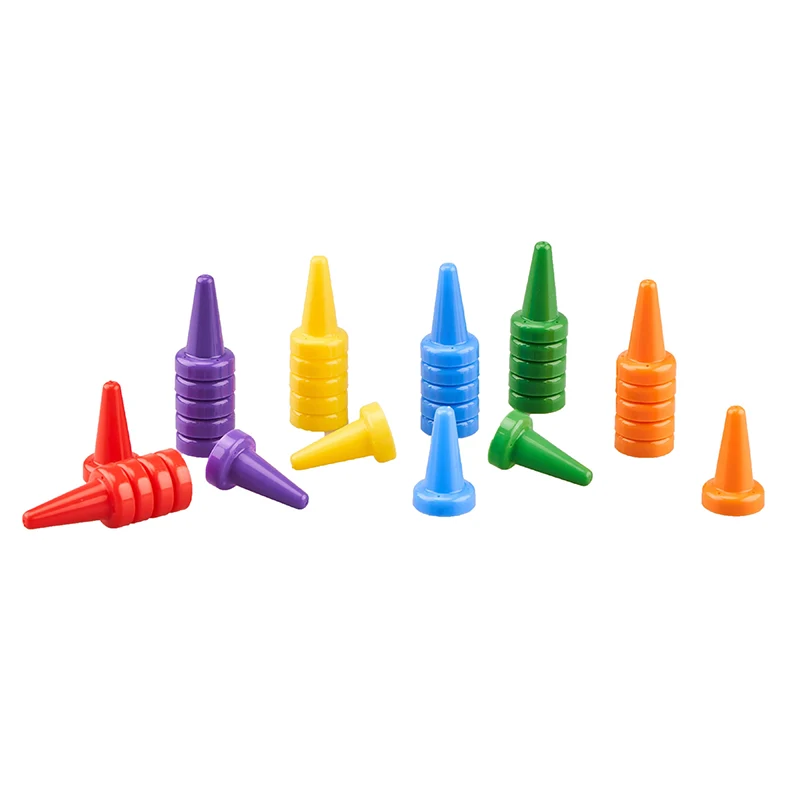
For a board game, a family tool might produce one pawn, one marker and one card holder in every normal cycle. Separate molds would let the factory run each item independently. Neither layout is inherently better. The useful question is how much production flexibility you are giving up in exchange for shared tooling.
A family mold makes different parts in one shot. A multi-cavity mold usually repeats the same part. One tool can also combine both ideas, such as four token cavities and one holder cavity, if the design and required quantities support that layout.
2. Family mold vs separate molds at a glance
| Decision factor | Family mold | Separate molds |
|---|---|---|
| Parts made per normal shot | Different parts are produced together in a fixed cavity ratio. | Each part or compatible part group can run independently. |
| Material | Open cavities generally receive the same resin during a run. | Each tool can use a different resin or resin grade. |
| Color | All open cavities normally share the color used for that run. | Color schedules can be planned separately by part. |
| Quantity flexibility | Best when required quantities match the cavity ratio. | Better when one part is ordered more often than another. |
| Design revisions | A revision to one cavity may affect work on the shared tool. | One part can change without rebuilding unrelated tools. |
| Maintenance and downtime | A shared tool issue can interrupt several parts. | A problem is more likely to stay isolated to one tool. |
| Initial tooling plan | May reduce the number of mold bases and setups. | Requires more tools but preserves production independence. |
| Process balancing | Different cavities must fill and cool under compatible conditions. | Each tool can be tuned around a narrower part family. |
3. When a family mold makes sense
A family mold is most convincing when the parts behave like a production set. They are ordered together, molded from the same resin, run in the same color and needed in a repeatable ratio. Their size, thickness and flow requirements should also be close enough for the mold engineer to design a stable process.
Good signs for a family mold
- The pieces always ship in the same game box.
- Demand follows a stable per-game ratio.
- The parts use the same resin and color.
- Geometry and wall sections have similar molding behavior.
- The designs are mature and unlikely to change alone.
Warning signs
- One part is consumed or replaced more often.
- Pieces need different materials or colors.
- One cavity requires side actions or unusual ejection.
- A major size or wall-thickness difference affects cooling.
- Artwork or geometry is still being tested.
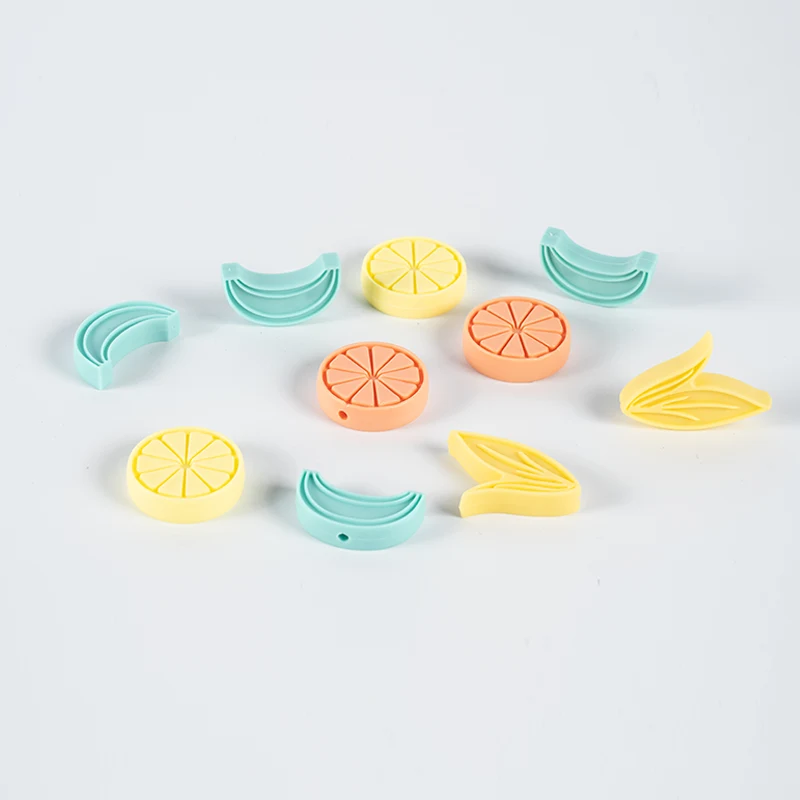
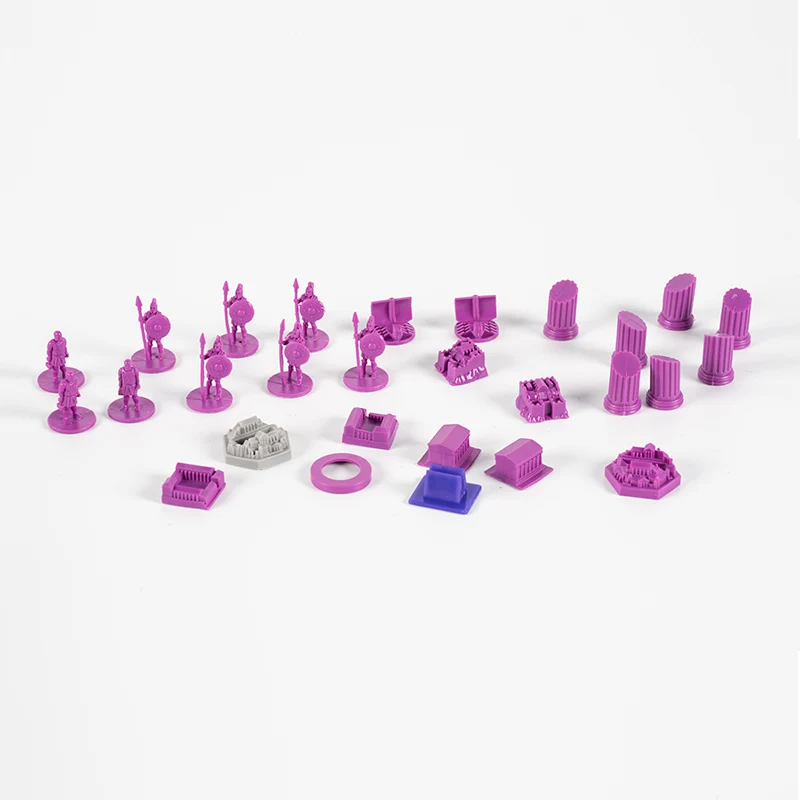
Small, related board game pieces can be sensible candidates. For example, a player set containing several same-color markers may fit the family approach if every retail game needs the same set. The tool layout still needs DFM and runner analysis before anyone treats the grouping as final.
4. When separate molds are safer
Separate molds are easier to justify when the parts live different production lives. One might be used across several games while another belongs to a single title. A token may need frequent color changes, while a tray remains black. A detailed miniature may take longer to fill and cool than a thin marker.
Keeping those parts apart gives the molder more control over scheduling and process settings. It also reduces the chance that a design change to one component delays every component sharing the tool.
- Use separate molds when the pieces need different resin families.
- Separate parts that require unrelated order quantities.
- Separate an unstable design from components already approved.
- Consider separate tooling for a complex part with side actions or difficult ejection.
- Keep platform components independent if they will serve several product lines.
If one part needs a longer cooling time or a more complicated mold action, every other cavity in the family tool waits for that cycle. A shared mold should be evaluated as one process, not as several unrelated parts placed next to each other.
5. Match cavities to the game-piece ratio
Start with the bill of materials for one finished game. The cavity ratio should support the number of pieces that actually go into the box. If a game needs twelve resource tokens and one card holder, a one-token and one-holder family layout would produce eleven unnecessary holders by the time the token requirement is met.
The mold designer may be able to repeat some cavities to improve the output ratio. A tool could contain several token cavities and one holder cavity, provided the parts fit, the runner can be balanced and the press requirements remain practical. This is an engineering option, not an automatic fix.
- List the quantity per retail game. Count every geometry and color variant separately.
- Add expected spare and replacement demand. A part used for replacements may need a different production ratio later.
- Compare the ratio with proposed cavity output. Look for parts that would accumulate as excess inventory.
- Check future expansions. A shared tool can become restrictive if only one component carries into the next edition.
6. Check color and material requirements
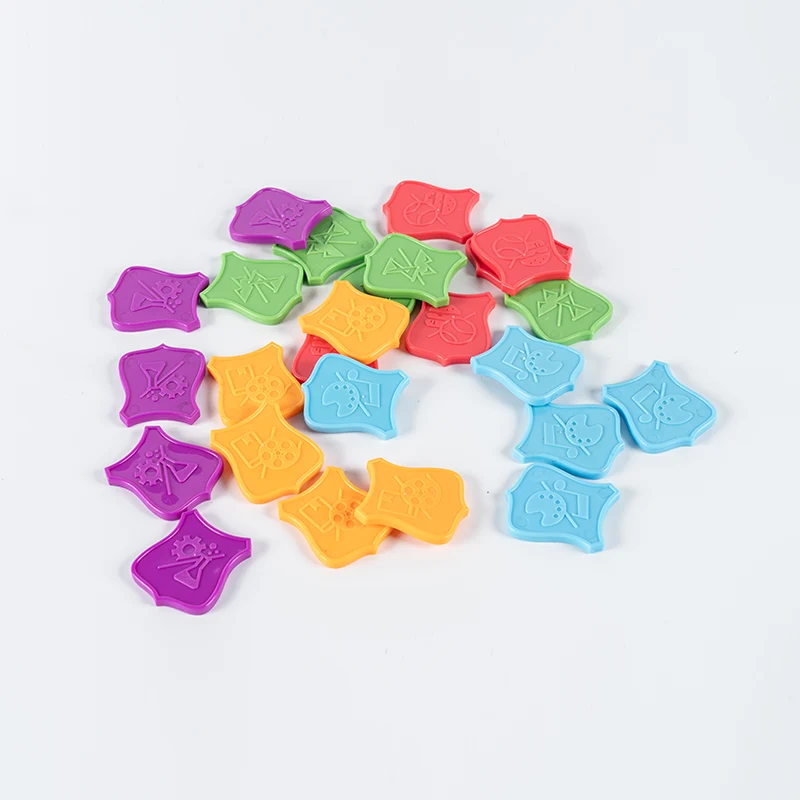
In a normal family-mold run, molten material travels through a shared feed system to the open cavities. Those cavities therefore receive the resin and color loaded for that run. This works well when a complete player set needs every included shape in red, then the same set in blue, green and yellow.
It works poorly when each shape has its own permanent color. Running the full tool once for every color may create unwanted combinations. Selective cavity shutoffs may be possible in some tools, but they add design and operating considerations and should be discussed before quoting.
If one piece needs a different resin, additive or compliance requirement, identify it as a separate part group. A family layout should not be approved until the material plan is clear.
7. Runner balance and cycle behavior
A family tool asks one runner system to feed cavities with different shapes. If one cavity fills much earlier than another, the process can produce uneven packing and a narrow operating window. Autodesk notes that unbalanced family-mold runners can contribute to hesitation, underflow and overpacking. Its family mold flow guidance recommends analyzing each part before the runner is designed.
Runner balance is only part of the decision. Cooling, shrinkage, venting, ejection and gate placement must also work across the full mold. A tiny flat token and a thick sculpted figure may fit in the same mold base yet behave poorly as one molding process.
This is why a tooling decision should follow DFM analysis and cost estimation. The review should compare the proposed cavity layout with part geometry, production ratios and finish requirements before the tool design is released.
8. Compare total cost, not tool count
A family mold may reduce the number of mold bases, tool setups and validation activities. That can lower initial investment in the right project. It can also require a larger or more complicated tool, tighter runner balancing and more careful scheduling.
Separate molds usually cost more to create as a group because there are more tools. In return, they let the factory run, maintain and revise each part independently. That flexibility has value when the product line changes or demand does not follow a fixed ratio.
| Cost area | Question to ask |
|---|---|
| Tool construction | What is included in each tooling option, including actions, inserts and cavity count? |
| Part price | Does the quote include runner waste, trimming, sorting and secondary work? |
| Excess inventory | Will the cavity ratio produce parts that are not needed? |
| Color changes | How many runs and changeovers are required for the complete game set? |
| Revisions | What happens if one component changes after tool approval? |
| Maintenance | Can one cavity be serviced or disabled without stopping every required part? |
| Future demand | Can individual components be ordered for expansions, replacements or other games? |
For a broader explanation of tooling and unit-cost drivers, read what it costs to manufacture board game components.
9. Three board game examples
Example A: a same-color player set
Each player receives one pawn, two markers and one scoring clip. Every shape is molded in the player's color, and the full set is always packed together. A family mold with a cavity ratio that matches the set may be worth evaluating.
Example B: many tokens and one large tray
The game needs dozens of small tokens but only one storage tray. The tray also has a much larger projected area and different cooling behavior. Separate tooling, or separate compatible part groups, is likely to provide a cleaner production plan.
Example C: a core pawn used across several titles
One pawn design appears in multiple games, while the themed markers change with each edition. Keeping the reusable pawn in its own multi-cavity mold avoids tying its production schedule to short-lived themed parts.
These examples illustrate the decision logic only. Final cavity layout depends on CAD geometry, resin, quantities, press requirements and the toolmaker's DFM review.
10. What to include in the RFQ
Ask the supplier to compare tooling layouts against the same set of project information. Otherwise, two quotes may appear different because they assume different cavity counts, materials or production ratios.
- STEP files and drawings for every molded geometry.
- A bill of materials showing quantity per finished game.
- Annual or launch-order quantities for each component.
- Material, color and surface-finish requirements.
- Parts that may be reused in expansions or other titles.
- Components still likely to change after testing.
- Required spare or replacement quantities.
- A request for family, separate and mixed tooling options where feasible.
If the files still need manufacturing review, the 3D model optimization service explains how product geometry can be prepared before mold design and quoting.
11. Frequently asked questions
Does a family mold always cost less?
No. It may reduce the number of tools, but the shared mold can be larger or more complicated. Compare tooling, part price, excess inventory, color changes, maintenance and revision risk before choosing.
Can a family mold produce several colors?
The mold can be run again with another color, but all open cavities normally receive the color loaded for that run. This works when every included shape is needed in every scheduled color. It may create unwanted parts when each shape has a different permanent color.
Can different plastics share one family mold?
A standard family-mold cycle feeds one material through the shared runner system. Parts requiring different resins should normally be planned as separate tooling groups unless the supplier proposes a specialized process and explains its implications.
Can one cavity be shut off?
Some tools can include cavity shutoffs, but this must be designed and quoted rather than assumed. Ask how the shutoff affects runner layout, process balance, operation and maintenance.
What if one piece changes after the mold is built?
The effect depends on cavity design, inserts, available steel and the size of the change. A modification to one cavity may still require the shared tool to leave production. Discuss expected revisions before approving the tooling layout.
Compare the tooling options before mold design
Send the CAD files, component list, colors, materials and required quantity per game. Kingke can review whether family, separate or mixed tooling deserves a place in the quotation.
Send your project details