
ABS and polypropylene can both produce durable injection-molded game components, but they solve different design problems. ABS is often the better starting point for rigid pieces with a controlled surface appearance. PP deserves attention when the part must flex, clip or form a living hinge. The final choice still depends on the exact grade, geometry, decoration and market requirements.
Quick answer
Start with ABS for rigid pawns, tokens, miniatures and housings where surface finish, color and dimensional control matter. Start with PP for clips, flexible card holders, snap features and one-piece hinges. Then select a specific injection-molding grade and test the real part. ABS and PP are material families, so a generic comparison cannot replace grade data, prototypes or production samples.
1. The practical difference between ABS and PP
Material selection starts with what the component must do. A rigid scoring marker has a different job from a card clip that opens repeatedly. A tray that holds heavy tiles has different risks from a detailed character piece. Treating every part in the box as "plastic" hides those differences.
ABS is a styrenic engineering plastic used for injection-molded consumer products and toys. INEOS Styrolution's Standard ABS Products guide lists impact strength, flowability, dimensional stability, self-colorability and a range of gloss levels among the properties of its Terluran ABS family. These traits make ABS a practical candidate for visible rigid components.
PP is a polyolefin available as homopolymer, random copolymer and impact copolymer grades, with many formulations inside each group. It is useful when controlled flexibility is part of the design. LyondellBasell's Moplen HP501H product page, for example, describes an injection-molding PP homopolymer with a stiffness and impact balance and hinge performance for caps. That grade is evidence of what a suitable PP can do, not a specification for every PP resin.
A supplier needs one material direction for each part. If the choice is still open, describe the required stiffness, flexing, finish, color, assembly, temperature and compliance conditions. The molder can then compare appropriate grades against the same requirements.
2. ABS vs PP comparison table
| Decision factor | ABS | PP |
|---|---|---|
| Typical design direction | Rigid visible components, detailed pieces, housings and structural accessories. | Flexible clips, snap features, living hinges and lightweight molded parts. |
| Rigidity | Often selected when the part should feel firm and hold its shape. | Can be rigid enough for many parts, but its controlled flexibility is often the reason to choose it. |
| Repeated flexing | Not the normal first choice for a thin living hinge. | Suitable grades can perform well in properly designed living hinges and clips. |
| Surface appearance | Available in grades intended for high-quality visible surfaces and controlled gloss. | Appearance depends strongly on grade, texture and process; sample the final surface. |
| Printing and bonding | Usually the simpler starting surface, although ink and adhesive still require testing. | Low surface energy often requires a compatible ink, adhesive or surface treatment. |
| Color | Good self-coloring options are available in standard ABS families. | Many colored grades and masterbatch systems are available, but colorant can affect shrinkage and performance. |
| Density | Representative ABS grades are denser than representative unfilled PP grades. | Lower density can reduce part weight, but the effect on one small game piece may be minor. |
| Dimensional behavior | Standard ABS families include grades promoted for dimensional stability. | Grade, wall thickness and molding conditions must be reflected in shrinkage allowance and final dimensions. |
| Final decision | Confirm the exact grade with CAD review, molded samples and application testing. | |
The table gives a design direction, not universal property values. Fillers, impact modifiers, recycled content, colorants and flow grade can change stiffness, impact, shrinkage and appearance inside either resin family.
3. When ABS is the better starting point
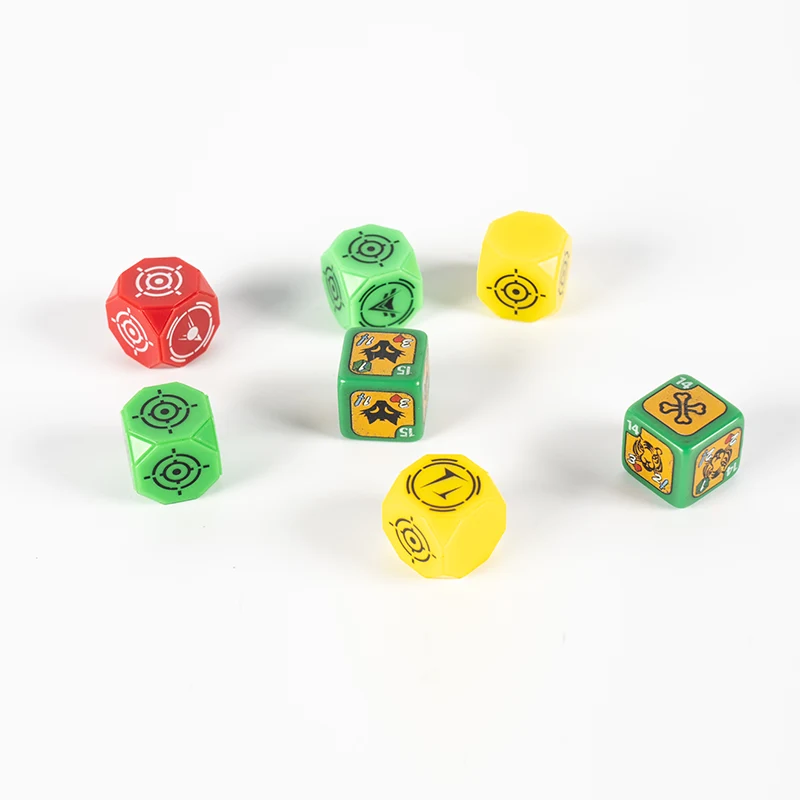
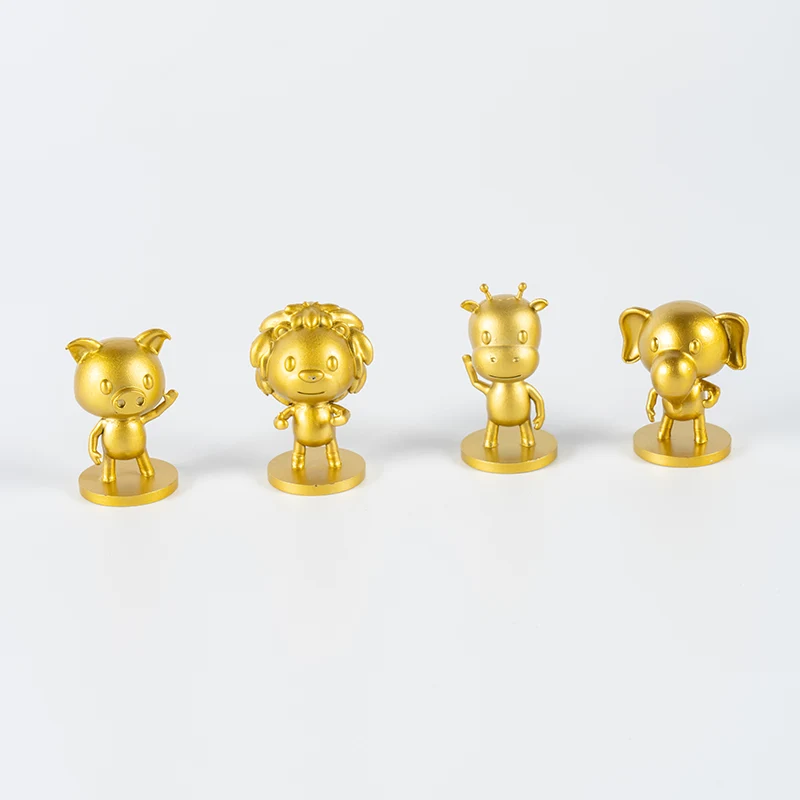
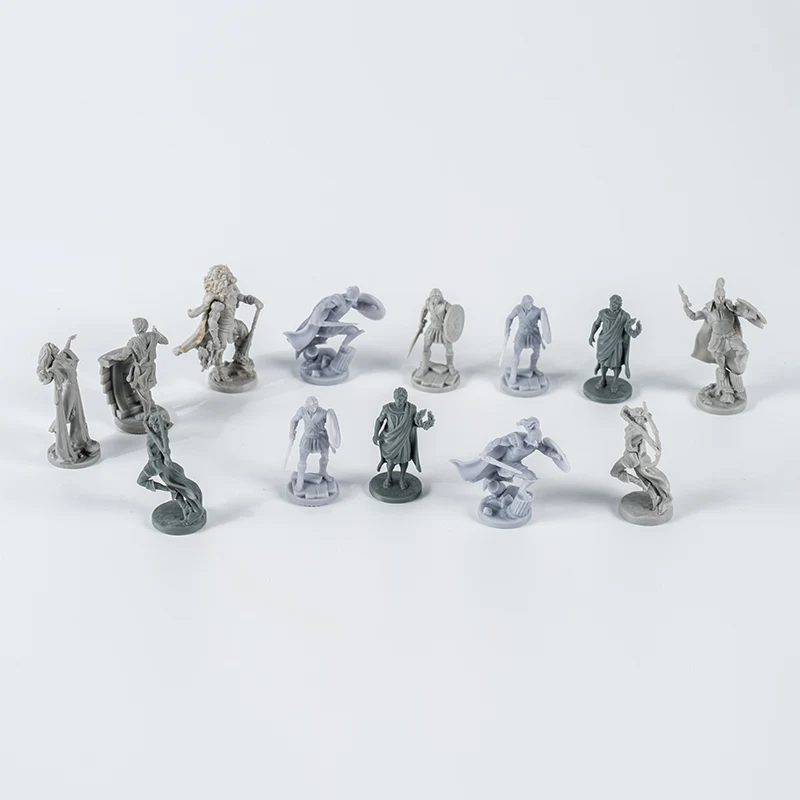
ABS is a sensible first candidate when a component must feel rigid, carry molded detail and present a controlled cosmetic surface. That can include pawns, scoring pieces, miniatures, dice towers, card-storage housings and structural trays. Kingke's board game plastic components range includes several rigid accessory types where these requirements often appear.
- The part needs crisp molded detail and a firm feel.
- Visible gloss, texture or a painted surface is important.
- Features must remain aligned during assembly.
- The component has bosses, walls or interfaces that need controlled dimensions.
- The design does not depend on a thin section flexing thousands of times.
A representative general-purpose ABS grade can combine flow, impact resistance, rigidity, colorability and gloss, but one grade does not cover every requirement. A miniature with thin detail may need a different flow and impact balance from a large storage shell. Ask for the exact grade and its technical data sheet before approval.
Very thin clips, aggressive chemicals, outdoor exposure, unusual heat or food-contact use can change the material direction. State the real use conditions instead of assuming a familiar resin name solves them.
4. When PP is the better starting point
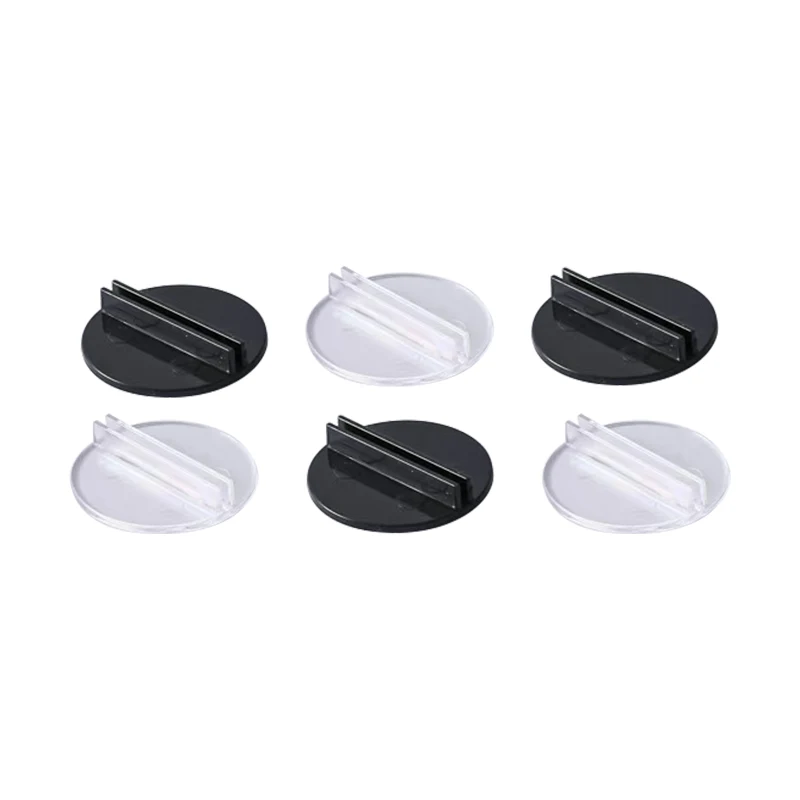
PP becomes interesting when the design needs elastic movement. Card holders, clips, snap tabs, lids and folding features may benefit from a grade selected for flexing. LyondellBasell's current Moplen HP501H product page, for example, identifies hinge performance on caps for that specific injection-molding grade. A game component still needs its own hinge geometry and cycle test.
- A clip or slot must open slightly and return without cracking.
- The component uses a molded living hinge.
- Lower part weight matters for a large tray or accessory.
- The intended PP grade offers the required chemical and stress-crack resistance.
- The team can validate printing, bonding and assembly on the real surface.
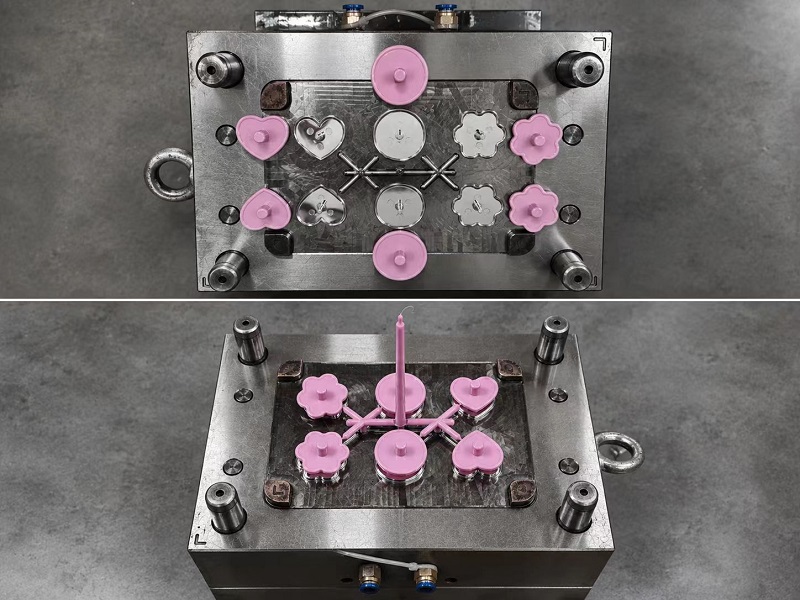
PP is not automatically soft. Homopolymer and copolymer grades cover different stiffness, impact and optical needs. A stiff tray and a flexible clip may both use PP, yet require different grades. If they share one mold, confirm that one resin grade can satisfy every cavity before approving a family mold layout.
5. Choose by component type
The component's job gives a better starting point than a blanket material rule. The following examples show which questions to ask before a supplier chooses a grade.
| Component | Starting candidate | Questions that can change the choice |
|---|---|---|
| Pawns and scoring pieces | ABS for a firm feel and controlled visible surface. | Drop impact, thin features, color, texture, piece weight and target age. |
| Flat tokens | ABS or PP, depending on stiffness, thickness and decoration. | Warping, edge feel, printing adhesion, stacking and cost at the required volume. |
| Card holders and clips | PP when repeated opening and recovery are central to the design. | Card thickness range, grip force, whitening, fatigue and slot geometry. |
| Miniatures | ABS for rigid molded detail, subject to impact and geometry testing. | Thin weapons, undercuts, drop performance, paint system and base stability. |
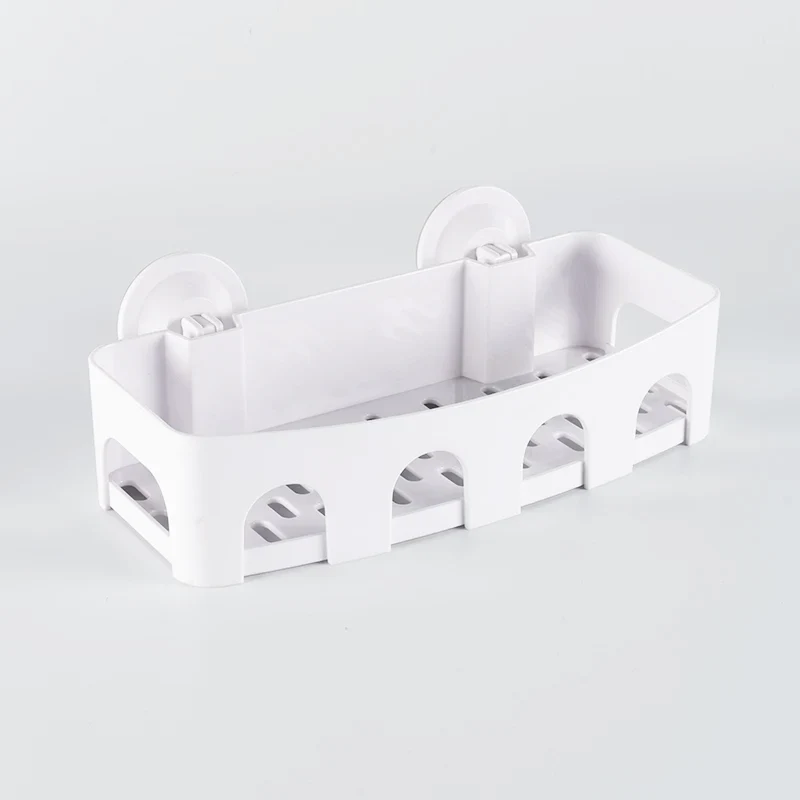
| Trays and storage boxes | Either ABS or PP. | Overall size, wall stiffness, latch or hinge design, load, stacking and shipping weight. |
| One-piece hinged lid | PP grade selected for living-hinge performance. | Hinge thickness, flow direction, gate location, bend radius and expected cycles. |
These are starting directions only. A designer should provide geometry and functional requirements, then compare molded samples. The article on preparing CAD files for board game pieces explains which material, finish and tolerance notes belong in the quotation package.
6. Color, printing and surface decoration
Both resin families can be colored, but the approved appearance belongs to the final material, grade, thickness and texture. The same color formulation should not be moved between ABS and PP without a new match. Sample the molded part or a representative plaque before production.
Printing and bonding deserve separate attention. PP has low surface energy. 3M's technical overview of surface-energy categories identifies polypropylene as a low-surface-energy plastic that is difficult to bond. For a decorated game component, specify the final resin grade, any surface preparation, ink and cure process, then run an adhesion test on molded production material.
ABS is often a more straightforward surface for decoration, but it still needs a compatible ink, clean surface and validated process. Mold release, texture and colorant can change the result. Kingke's UV printing and surface finishing page shows the available secondary decoration routes for plastic parts.
Molded color belongs to the resin and colorant system. Printed color belongs to the ink, surface preparation and curing process. Approve each layer, then review the assembled appearance under the agreed lighting.
7. Why the exact material grade matters
"ABS" and "PP" identify broad resin families. They do not define melt flow, impact behavior, stiffness, shrinkage, gloss, UV package, recycled content or regulatory status. These properties belong to a grade and can also change with color or additives.
Material suppliers maintain separate portfolios because different parts need different property balances. LyondellBasell publishes distinct product families for PP homopolymers, PP random copolymers and PP impact copolymers. INEOS Styrolution's ABS guide likewise separates enhanced-flow, impact and high-impact grades.
- Record the manufacturer and complete grade designation.
- Keep the current technical data sheet with the approved project file.
- State whether recycled content, fillers or impact modifiers are allowed.
- Identify the approved colorant or precolored grade.
- Require approval before the resin or colorant source changes.
A substitution may look harmless on a purchase order yet change shrinkage, surface finish or clip performance. Use change control when the exact material matters to fit, appearance or compliance.
8. A sensible material approval process
- Write the functional requirements. Describe stiffness, repeated flexing, impact, temperature, contact conditions, finish, color and assembly instead of naming a resin too early.
- Review the CAD with the molder. Wall thickness, ribs, snap geometry, hinge geometry, gate location and texture affect which grade can work.
- Shortlist exact grades. Compare current supplier data sheets and regulatory documentation for the intended market.
- Prototype the risky feature. Test the grip slot, hinge, snap, thin detail or assembly interface instead of relying on a generic material coupon alone.
- Evaluate molded samples. Review dimensions, color, surface, drop behavior, flexing and assembly using the same conditions expected in the finished game.
- Freeze the approved grade. Record the resin, colorant, sample revision and acceptance tests before mass production.
The test plan should match the risk. A decorative marker may need dimensional, color and drop checks. A card clip needs an agreed card-thickness range and repeated insertion test. A living hinge needs a cycle definition and inspection method. Do not invent a universal pass count for unrelated products.
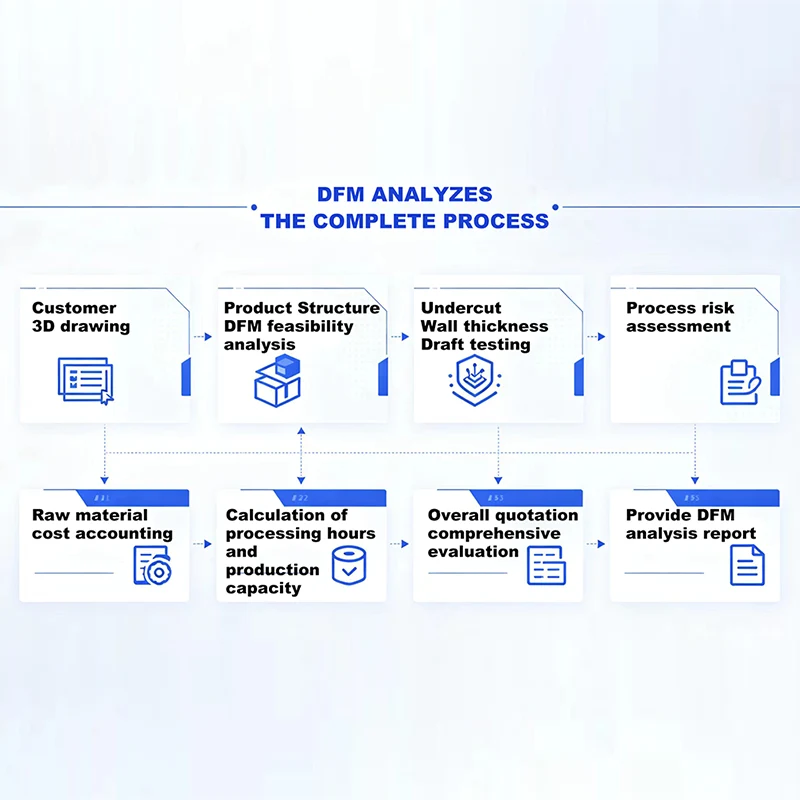
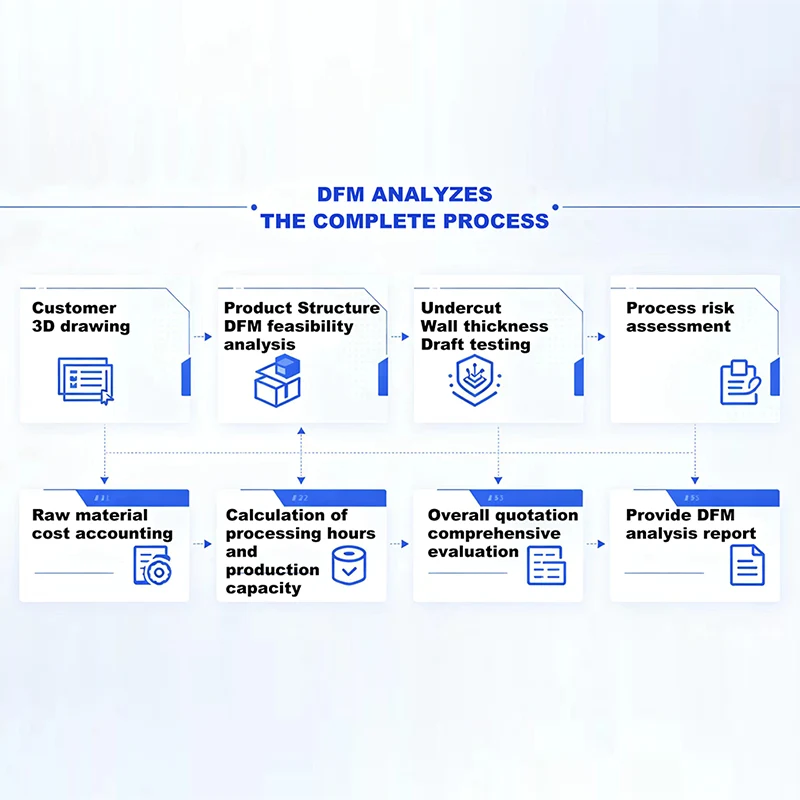
A DFM analysis and cost estimate should connect the selected grade to cavity layout, runner design, shrinkage allowance, ejection and part price before tool release.
9. Compliance and target-market checks
A resin name does not prove that the finished component complies with every toy or consumer-product requirement. Compliance depends on the exact grade, colorant, additives, decoration, target age, product classification and country of sale.
For the United States, the CPSC states that ASTM F963 is a mandatory safety standard for children's toys under 16 C.F.R. part 1250. Its Toy Safety Business Guidance also explains that the applicable sections depend on the specific product, and that testing and certification requirements differ by age and classification. This article does not replace a compliance review.
- Identify the countries where the finished game will be sold.
- State the intended age grade and product classification.
- List material, substrate, surface-coating and small-parts requirements with the test laboratory.
- Confirm documentation for the exact resin, colorant and decoration system.
- Test the finished component or product where the applicable rule requires it.
A resin data sheet describes the material under stated test conditions. Product compliance can also depend on geometry, accessible parts, coatings, use-and-abuse testing, labeling and other components in the game.
10. Material selection RFQ checklist
Send one requirement set to every supplier so quotes use comparable assumptions. If the grade is undecided, mark it as proposed by supplier and subject to sample approval.
- STEP files and dimensioned drawings for each component.
- Part function, including any snap, clip, hinge or repeated flexing.
- Expected quantity per game and production volume.
- Required stiffness, impact and temperature conditions.
- Surface texture, gloss, color and decoration process.
- Assembly method and mating materials.
- Target countries, age grade and compliance requirements.
- Rules for recycled content, fillers and material substitutions.
- Prototype and production tests with acceptance criteria.
- Request for the proposed grade and current technical data sheet.
For a full project brief, use the information list in the custom board game components manufacturing guide. It connects material selection with process choice, tooling, decoration, quantities and quotation data.
11. Frequently asked questions
Is ABS better than PP for board game pieces?
ABS is often the better starting point for rigid, detailed pieces with a controlled cosmetic surface. PP may be better when the part needs controlled flexing, lower weight or a living hinge. The exact grade and geometry decide the result.
Which material is better for a card holder?
PP is worth evaluating when the gripping walls must flex and recover repeatedly. ABS may work for a rigid stand that does not rely on elastic movement. Test the holder across the intended card and sleeve thickness range.
Can ABS and PP parts share one family mold?
A conventional family-mold run uses one resin through the shared feed system, so ABS and PP parts should normally be separated into different tooling groups. Specialized processes should be quoted and reviewed separately.
Is PP difficult to print?
PP has low surface energy, so ink adhesion often depends on surface treatment and a compatible ink system. Validate treatment, timing, ink, cure and adhesion on the actual molded grade.
Can the factory substitute another ABS or PP grade?
Only through an agreed change-control process. Another grade can alter shrinkage, flow, stiffness, impact, color, surface appearance or compliance documentation. Review the data sheet and repeat the affected approval tests.
Does recycled ABS or PP work for game components?
It can work in some applications, but recycled content is not one uniform material. Specify the grade, source control, allowed variation, color, mechanical requirements and compliance plan. Approve molded samples before production.
Choose the material with the part, not after it
Send the CAD files, part function, color, finish, quantity and target-market requirements. Kingke can compare ABS and PP grade directions during DFM and quoting.
Send your project detailsSources
- INEOS Styrolution: Standard ABS Products
- LyondellBasell: Moplen HP501H
- LyondellBasell: Polypropylene, Homopolymer
- LyondellBasell: Polypropylene, Random Copolymer
- LyondellBasell: Polypropylene, Impact Copolymer
- 3M: Categorizing Surface Energy
- U.S. Consumer Product Safety Commission: Toy Safety Business Guidance