Plastic cartoon figure components are no longer simple toy accessories. They have become an important part of collectible manufacturing, animation merchandising, blind box production, educational toys, and customized brand marketing products. From character heads and articulated limbs to detailed accessories and decorative finishes, every component affects durability, appearance, safety, and consumer satisfaction. This article explores how plastic parts for cartoon figures are designed, manufactured, optimized, and customized for different industries while helping buyers avoid common sourcing and production problems.
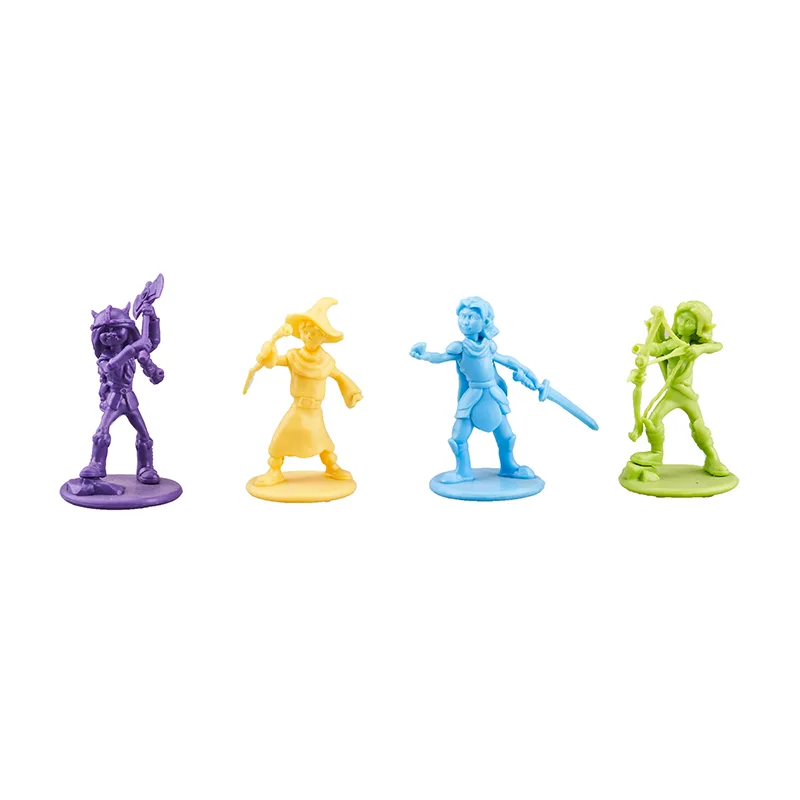
This comprehensive guide explains everything buyers, toy brands, distributors, and product developers should know about plastic parts for cartoon figures. It covers materials, production methods, molding technologies, painting techniques, quality control standards, customization options, cost factors, packaging solutions, and future trends. Whether you are developing anime collectibles, educational figures, capsule toys, promotional mascots, or action figures, understanding the right plastic components can significantly improve product quality and market competitiveness.
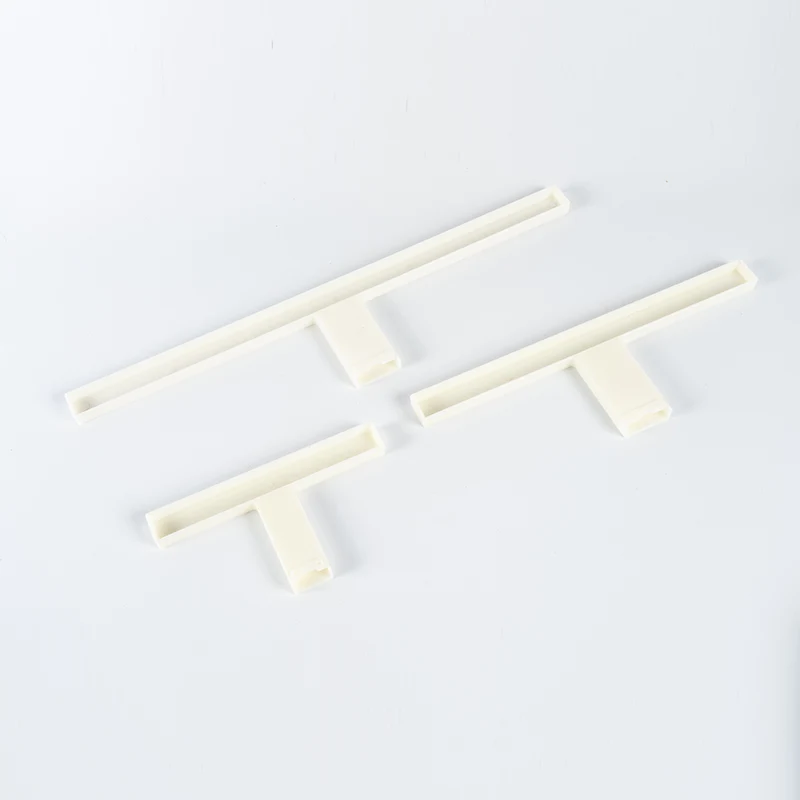
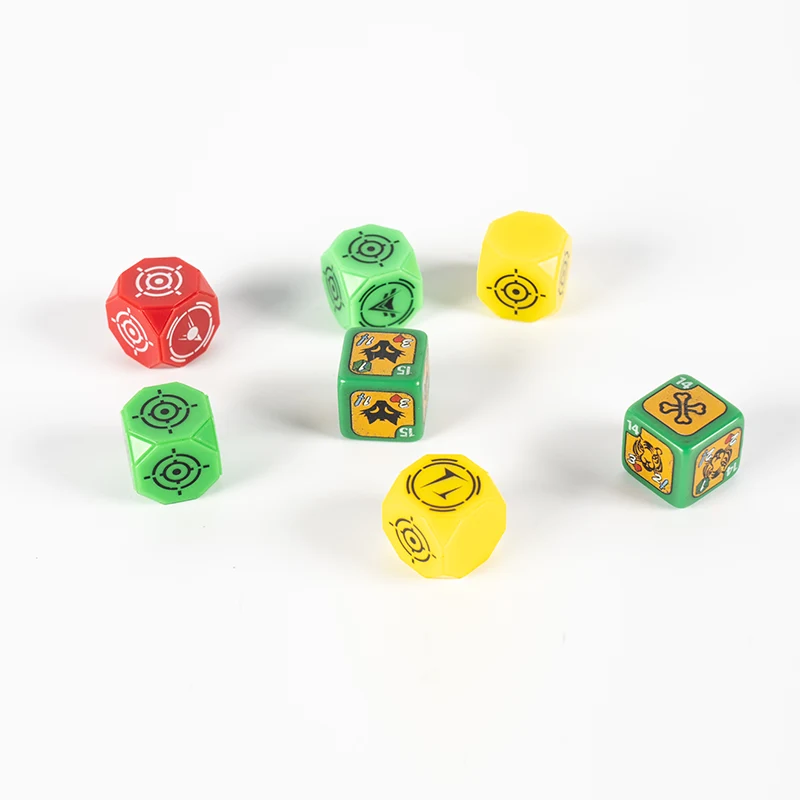
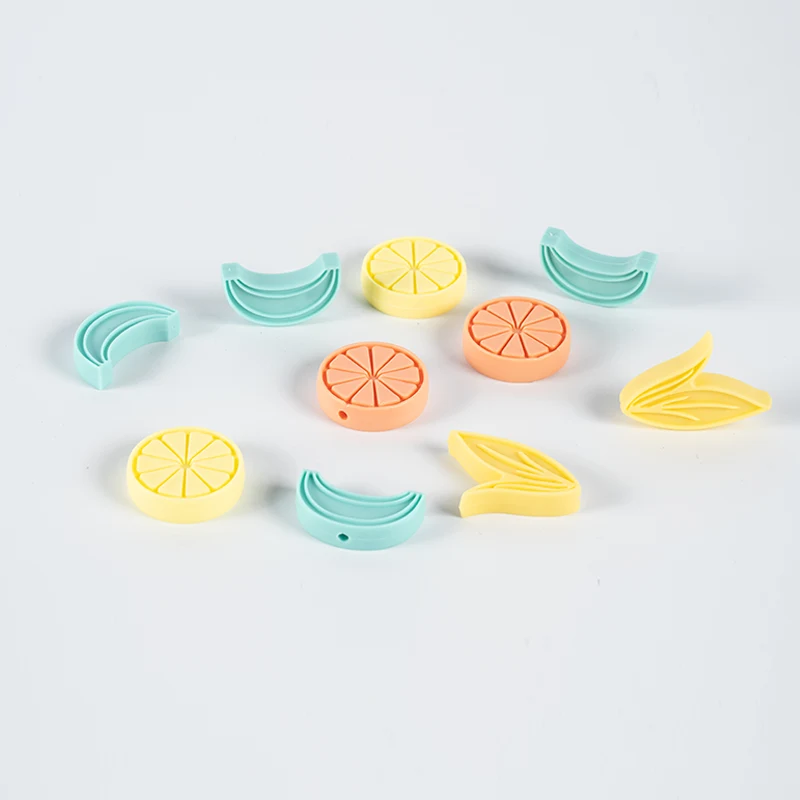
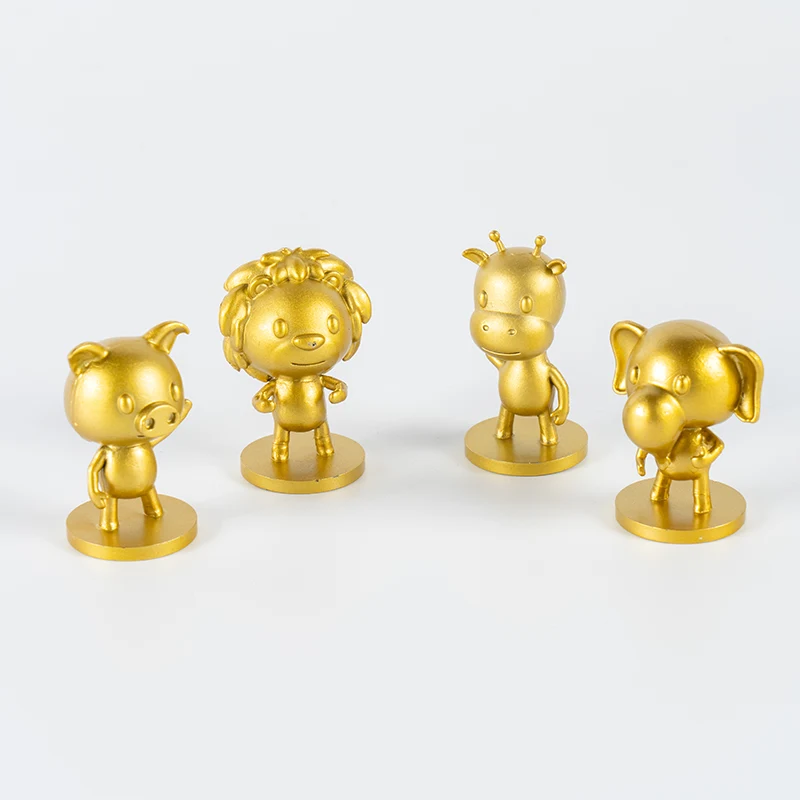
Plastic parts for cartoon figures refer to all molded plastic components used to create animated character toys, collectible figurines, action figures, miniatures, and promotional mascots. These parts include heads, bodies, arms, legs, connectors, accessories, helmets, stands, wheels, decorative items, and movable joints.
Modern cartoon figures are manufactured for multiple markets, including:
Manufacturers rely heavily on precision plastic molding because it allows mass production while maintaining detailed character expressions, smooth surfaces, and consistent dimensions.
Plastic materials offer significant advantages compared to metal, resin, wood, or ceramic components. They provide excellent flexibility for toy production while helping manufacturers control costs and improve production efficiency.
| Feature | Advantages |
|---|---|
| Lightweight | Easy to transport and safer for children |
| High Precision | Supports detailed facial features and accessories |
| Cost Efficiency | Suitable for mass production |
| Customization | Easy coloring, painting, and texture modification |
| Durability | Resistant to impact and wear |
These benefits make plastic the dominant material in the toy and figure manufacturing industry.
Different cartoon figure categories require different structural designs and components. Below are the most commonly produced plastic parts.
Character heads often contain multiple molded sections for hair, facial expressions, helmets, masks, and eye assemblies.
Body shells may include torso frames, chest armor, decorative textures, and internal support structures.
Action figures require flexible joints that support bending, rotation, and repeated movement.
Weapons, tools, wings, backpacks, shields, and decorative props enhance playability and realism.
Material selection determines product quality, safety, flexibility, and surface appearance. Choosing the wrong material may cause cracking, fading, poor paint adhesion, or deformation.
| Material | Characteristics | Applications |
|---|---|---|
| ABS | Strong, durable, smooth surface | Action figures and body parts |
| PVC | Flexible and lightweight | Soft figures and accessories |
| PP | Fatigue resistant | Joint connectors |
| TPR | Rubber-like texture | Soft-touch components |
| PC | Transparent and impact resistant | Visors and transparent effects |
Premium manufacturers often combine multiple materials to improve performance and visual effects.
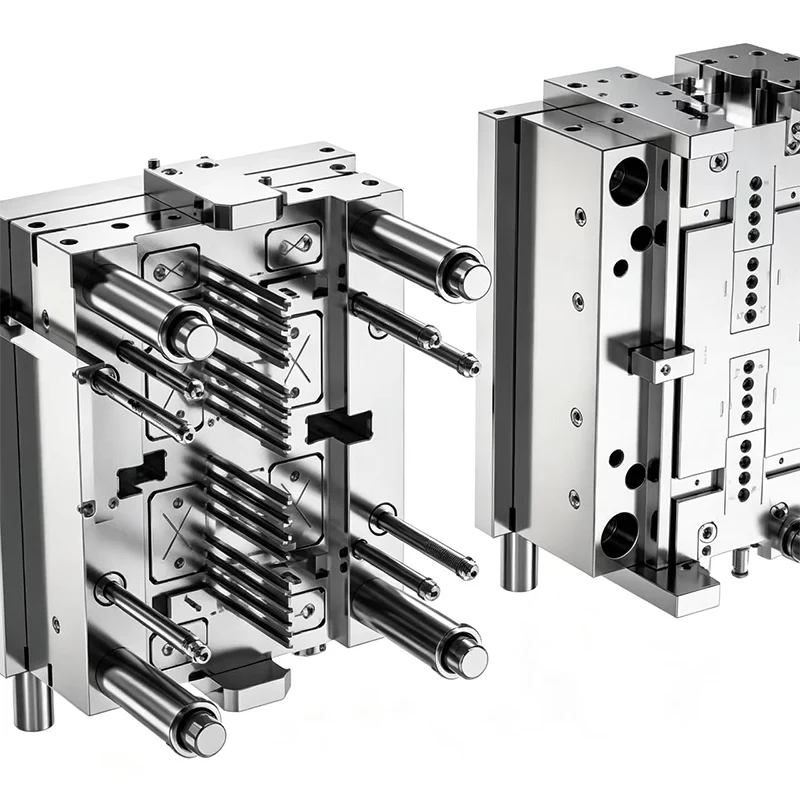
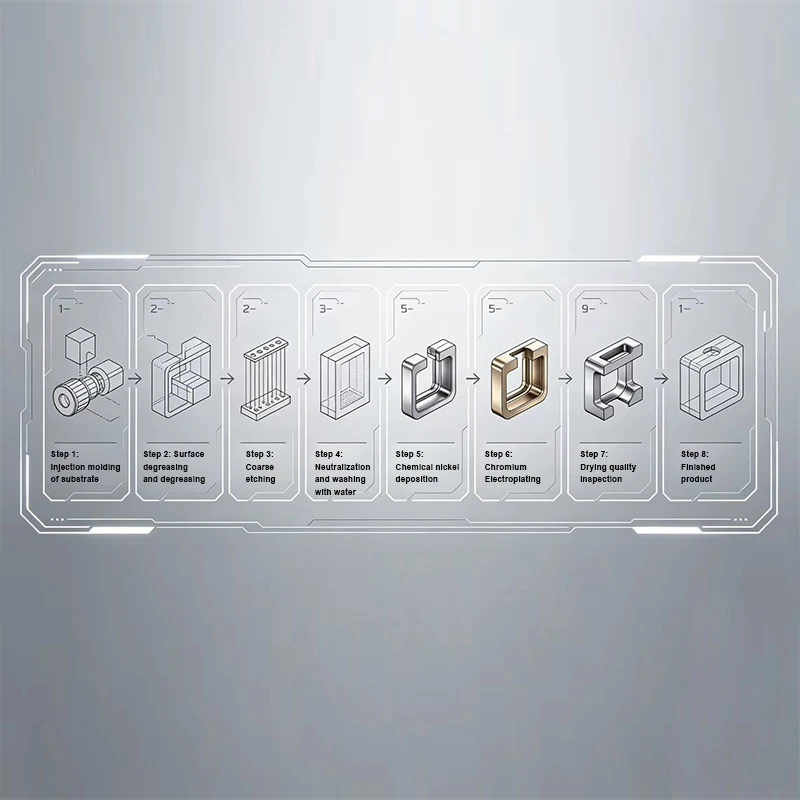
Injection molding is the primary manufacturing process for plastic figure components. Molten plastic is injected into precision molds under controlled pressure and temperature.
This method offers several benefits:
Advanced CNC-machined molds allow manufacturers to reproduce intricate cartoon details, including facial expressions, costume textures, and miniature accessories.
The visual appeal of cartoon figures depends heavily on finishing quality. Poor painting can destroy an otherwise excellent product.
Manufacturers use various techniques to improve aesthetics:
Premium figure manufacturers also use automated robotic painting systems to maintain color consistency across large production batches.
A common buyer complaint in the figure industry is paint chipping during transportation. This problem is usually caused by poor surface preparation, low-quality coating materials, or insufficient curing time.
Safety is especially important for children’s products and international toy markets. Manufacturers must ensure that plastic components meet required standards for chemical safety, structural durability, and edge smoothness.
Important quality checkpoints include:
Reliable suppliers maintain strict quality management systems throughout the production process.
Customization has become one of the biggest drivers in the cartoon figure industry. Many companies now create exclusive characters for branding, promotions, retail campaigns, and fan communities.
Popular customization services include:
| Customization Type | Description |
|---|---|
| Custom Character Design | Unique mascots and animation characters |
| Logo Printing | Brand logo integration on figures |
| Special Colors | Pantone color matching |
| Limited Edition Packaging | Collector-focused premium packaging |
| Articulated Structures | Movable joints and interchangeable parts |
Companies like Ningbo Jinghe Plastic Industry Co., Ltd. provide customized plastic manufacturing solutions for global toy brands and figure developers seeking stable quality and scalable production capacity.
Many buyers focus only on unit pricing without considering the complete manufacturing structure. Understanding production costs helps prevent hidden expenses and unexpected delays.
Several major factors influence overall costs:
Complex figures with movable joints and multi-layer painting require more labor and engineering investment.
Plastic cartoon figure parts require proper packaging to avoid scratches, paint damage, and deformation during transportation.
Common packaging methods include:
For international shipping, moisture resistance and impact protection are especially important. Large buyers often request drop-testing reports for export packaging.
Selecting the right manufacturing partner directly affects product quality, delivery schedules, and customer satisfaction.
A professional supplier should offer:
Before placing large orders, buyers should request prototypes, factory audits, material certifications, and production samples.
The global figure industry continues to evolve rapidly. Consumer demand now focuses on higher realism, better articulation, eco-friendly materials, and interactive features.
Several emerging trends are shaping the future:
Manufacturers investing in automation, sustainable production, and advanced molding technology will gain stronger competitiveness in international markets.
ABS and PVC are the most commonly used materials because they provide a balance between durability, flexibility, and surface quality.
Cracking is usually caused by poor material quality, improper mold design, or excessive internal stress during cooling.
The full process including design, mold development, sampling, and mass production usually takes several weeks depending on complexity.
Yes. Professional suppliers can match Pantone colors and create customized painting effects for branding consistency.
Figures produced with certified non-toxic materials and proper testing standards are generally safe for children when age recommendations are followed.
Plastic parts for cartoon figures play a critical role in modern toy manufacturing and collectible markets. From structural stability and visual appearance to articulation performance and product safety, every component contributes to the final customer experience.
As consumer expectations continue rising, brands must focus on precision manufacturing, material quality, reliable customization, and efficient production management. Choosing experienced manufacturers can help businesses reduce risks, improve product consistency, and strengthen market competitiveness.
Ningbo Jinghe Plastic Industry Co., Ltd. specializes in high-quality plastic parts for cartoon figures, collectible toys, customized accessories, and precision injection molding solutions. Whether you need prototype development, OEM production, or large-scale manufacturing support, our experienced team is ready to help bring your creative ideas to life.
Contact us today to discuss your next cartoon figure project and receive professional manufacturing support.