
Quick answer
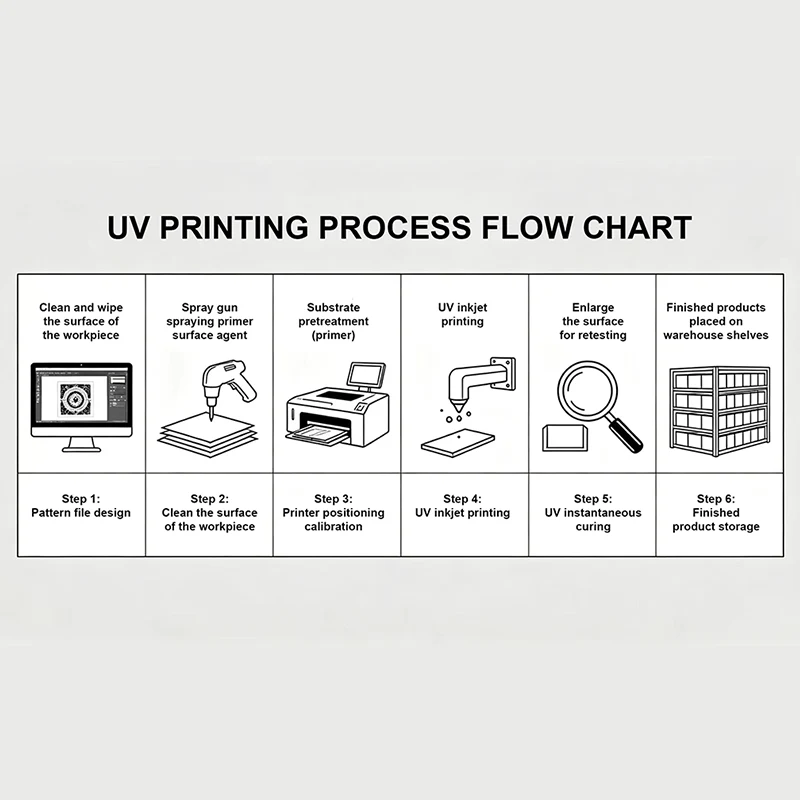
Use 3D printing to approve the sculpt, resin casting for very small deluxe runs, and injection molding for anything you will actually ship in quantity or reprint. The three are not really competitors — they occupy different points on the same project timeline. What decides your route is quantity, whether the design is frozen, and how much hand labour you are willing to pay for on every single piece. This is a molder's comparison, including the cases where molding is the wrong answer.
Almost every comparison of these three processes online is published by a service that only sells one of them. That shapes the conclusion more than the engineering does. We make molds and mold parts, so treat our bias as declared — and then read section seven, where we say plainly when not to hire us.
This article sits under our wider guide to custom board game components manufacturing, which covers the whole bill of materials. Here we look only at figures.
1. The Three Processes in One Minute
Injection molding
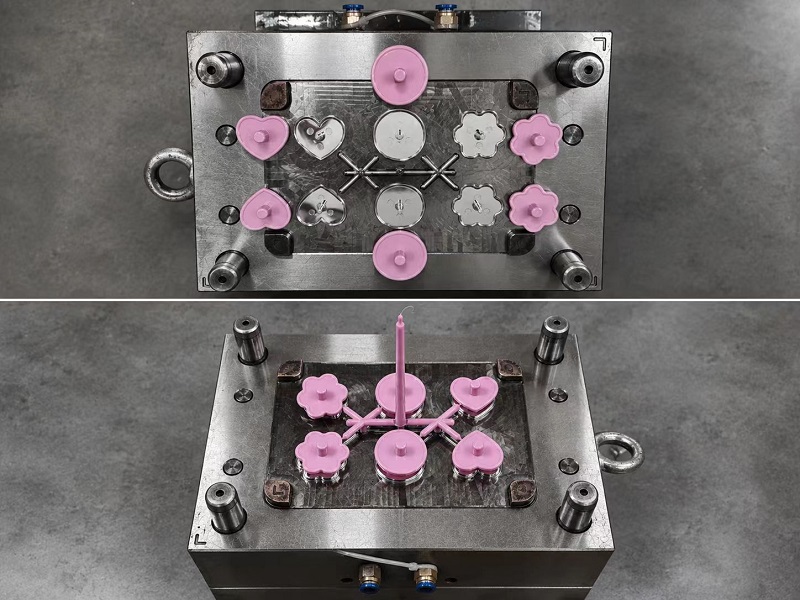
Molten plastic is forced into a hardened steel or aluminium cavity, cooled, and ejected. The cavity is cut once, on CNC and EDM machines, and then reproduces the same geometry indefinitely. Everything expensive happens before the first piece exists.
Resin casting
A master sculpt is used to make a flexible silicone mold. Liquid resin is poured or pressure-cast into that mold, cured, and pulled out by hand. The silicone is soft, so it can release shapes that would lock solid in steel — but it also wears out and has to be remade.
3D printing
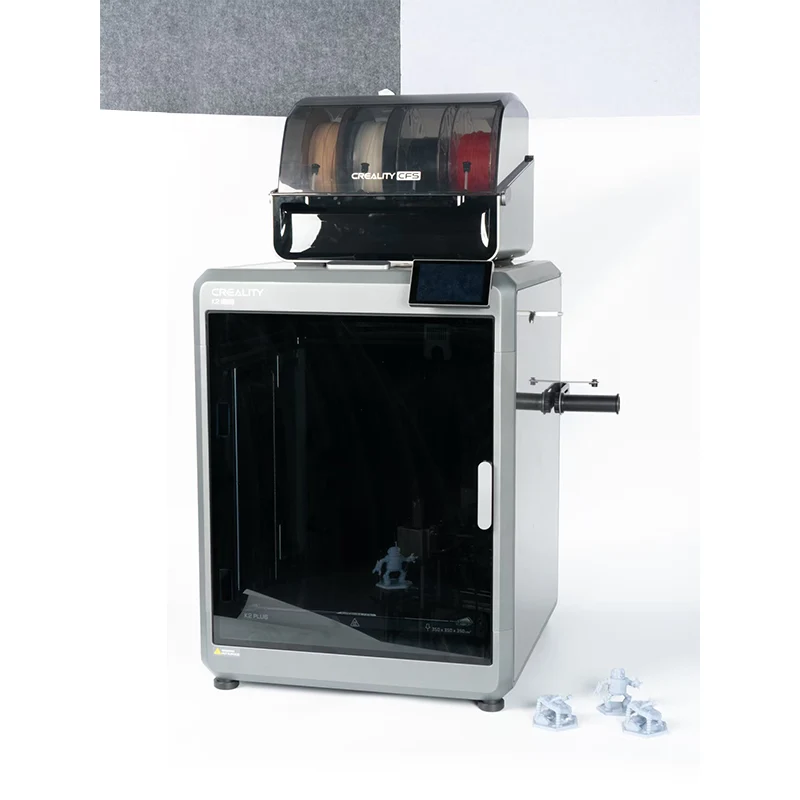
The figure is built directly from your digital file, layer by layer, with no tooling at all. Resin printers build from a liquid vat and hold fine detail well; filament printers extrude melted plastic and are better suited to bulk or functional shapes than to a character's face.
Resin casting and resin 3D printing are separate processes that happen to share a material family. Casting needs a silicone mold and a master; printing needs neither. Designers frequently conflate the two when briefing a supplier, and the quote comes back for the wrong thing.
2. Head to Head: The Comparison That Matters
| Injection molding | Resin casting | 3D printing | |
|---|---|---|---|
| Tooling required | Hardened cavity, cut once | Silicone mold, replaced periodically | None |
| Time to first piece | Longest | Short | Shortest |
| Geometry freedom | Constrained by draft and parting line | High — soft mold flexes to release | Highest — no release constraint at all |
| Piece-to-piece consistency | Effectively identical | Drifts as the silicone degrades | Varies with build position and settings |
| Hand labour per piece | Minimal — degating only | High — every piece is demolded and cleaned by hand | High — supports, washing, curing |
| Unit cost as volume rises | Falls sharply, then flattens low | Barely moves | Does not fall |
| Colour through the material | Yes, via masterbatch | Possible but less consistent | Limited |
| Cost of a design change | High once steel is cut | Moderate — remake the master and mold | Near zero |
| Suits a reprint | Yes — tooling already paid | Neutral | No advantage gained |
3. Detail: What Each Process Can Actually Hold
There is a persistent belief that injection molding cannot capture fine sculpt detail. That is not quite right, and getting it right changes how you design.
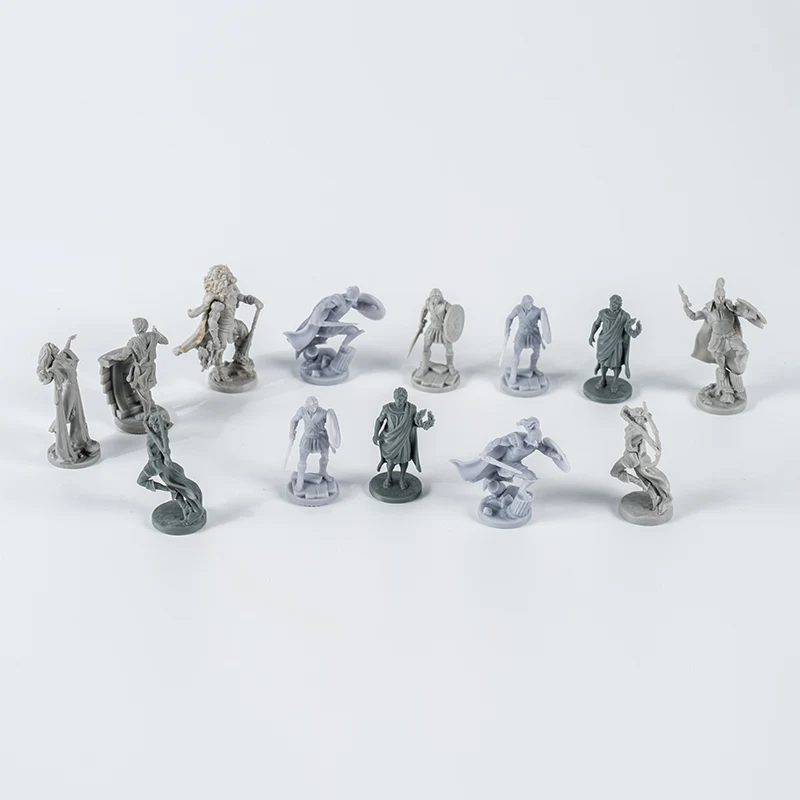
Molding reproduces whatever is cut into the steel. Our CNC and EDM equipment can hold very fine surface features, so texture, fabric folds, rivets and facial detail transfer well. The real limitation is not resolution — it is release. A steel cavity is rigid, so every surface needs draft to pull free, and any undercut requires a side action, a lifter, or a split in the part. Each of those adds cost and can add a visible line.
Silicone is flexible, so resin casting shrugs off mild undercuts that would need extra mechanism in steel. That is its genuine technical advantage, and it is why display-grade sculpts with deep drapery or free-floating capes are often cast rather than molded.
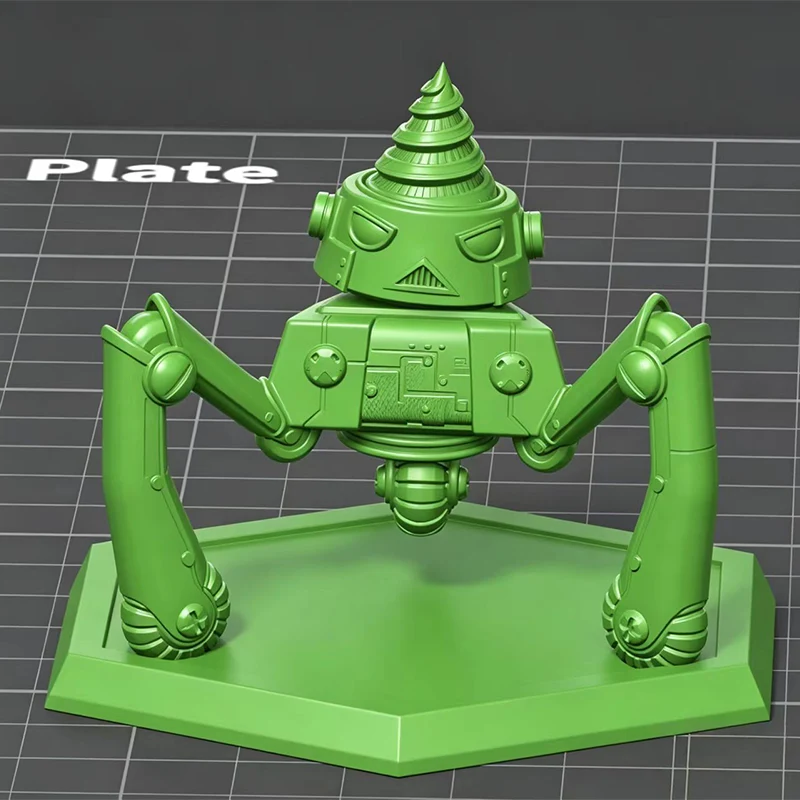
3D printing has no release constraint at all, which is exactly why a sculpt sent straight from a digital artist rarely molds without modification. Layer lines are the trade — they run across curved surfaces and become obvious under paint on large smooth areas such as a shield or a cloak.
A sculpt is approved as a 3D print, tooling is ordered, and only then does the DFM review find undercuts that need three side actions. Tooling cost jumps and the schedule slips. Run DFM analysis against the sculpt before you sign off the printed sample, not after.
4. Consistency: The Difference That Only Shows Up at Scale
At sample quantities all three processes look fine. The gap opens up across a full print run.
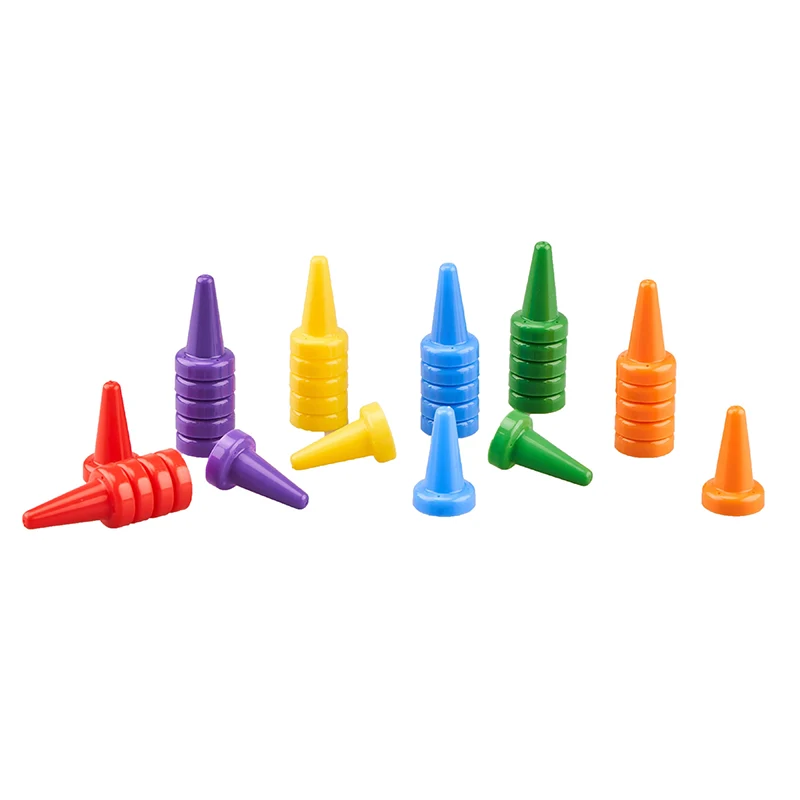
Molded pieces come off a rigid cavity, so figure number one and the last figure of the run are the same object. Colour is mixed into the resin as masterbatch rather than sprayed on, so a scuffed edge shows the same colour underneath instead of a white core.
Cast pieces drift. A silicone mold degrades with use — edges soften, fine detail dulls, and the mold eventually has to be remade from the master. Backers who receive early and late pieces from the same run can end up with visibly different figures.
Printed pieces vary with where they sat on the build plate, how supports were placed, and how thoroughly each one was washed and cured. Skilled operators control this. It is still control, not elimination.
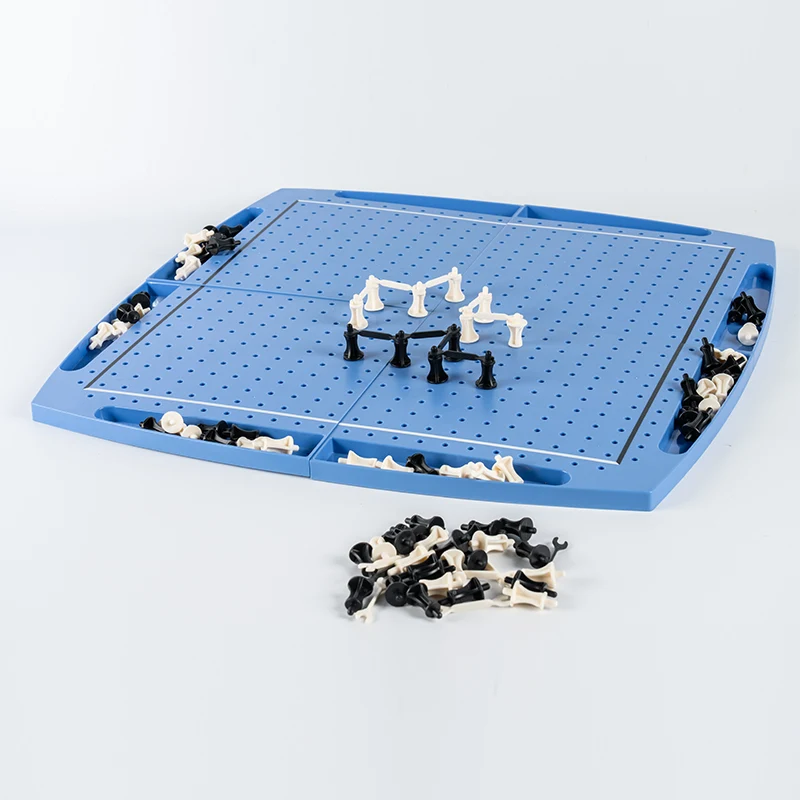
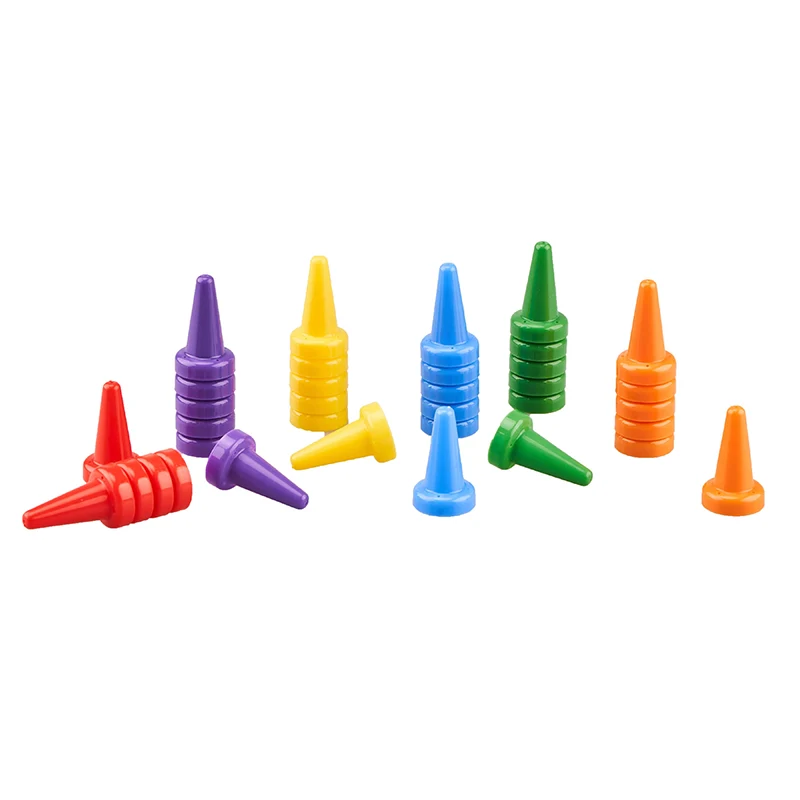
For a game where six players each hold the same pawn shape in a different colour, this matters more than any spec sheet. Our note on plastic components for board game props covers the same point across the wider box.
5. Where the Money Actually Goes
Forget price per piece for a moment and look at the shape of each cost curve.
Injection molding front-loads almost everything. You buy the cavity once; after that each piece costs material, machine time and a few seconds of handling. The curve starts high and falls steeply, then flattens near the material cost. On a reprint the tooling is already paid, so you start on the flat part of the curve.
Resin casting has a modest setup and then a stubborn per-piece cost, because a person demolds, deflashes and inspects every single figure. Doubling the order roughly doubles the labour. Volume buys you very little.
3D printing has no setup at all and a per-piece cost driven by machine hours. It never gets cheaper. A thousand printed figures cost close to a thousand times one figure.
So the honest question is not "which is cheapest" but "where does my quantity sit relative to the crossover point". Below it, tooling is dead weight. Above it, avoiding tooling is the expensive choice. We work through the small-batch end of this in keeping costs low on a 1,000-unit board game.
Tooling cost is per mold, not per figure. Several different small pieces can often be cut into one family mold, which drops the crossover point substantially. If your box has eight distinct plastic parts, do not price eight separate tools before asking.
6. Finishing and Paint: Often the Real Deciding Factor
What comes off the machine is not what goes in the box, and the cleanup burden differs sharply.
| Process | Cleanup needed | Marks it leaves | Paint behaviour |
|---|---|---|---|
| Injection molding | Degating, occasional parting line trim | Gate witness mark, parting line, ejector pin marks | ABS accepts primer and ink readily; PP needs surface treatment first |
| Resin casting | Flash removal, vent nub removal, wash | Vent nubs, seam flash, occasional bubble voids | Good once mold release residue is fully washed off — skip that and paint lifts |
| 3D printing | Support removal, wash and cure for resin | Support scars, layer lines | Layer lines telegraph through paint on smooth surfaces unless sanded |
If your figures ship unpainted in a solid colour, molding is straightforwardly the cleanest answer — the colour is in the material and there is no coating to chip. If they ship painted or printed, factor decoration in from the start, because material choice affects adhesion. Curved figure surfaces are decorated by pad printing rather than flat-panel methods.
7. Choose by Scenario, Not by Process
| Your situation | Route | Why |
|---|---|---|
| Sculpt still being revised | 3D printing | Changes cost nothing. Do not cut steel against a moving target. |
| Convention demo copy or photography sample | 3D printing, or a few casts | You need pieces this month, not this quarter. |
| A handful of deluxe display figures | Resin casting | Undercut-heavy sculpts survive intact and quantity never justifies tooling. |
| Kickstarter first print run | Injection molding | Fulfilment quantities are where the cost curve turns decisively. |
| Retail edition or a confirmed reprint | Injection molding | Tooling is already amortised. Nothing else competes. |
| Many SKU variants, few units each | 3D printing or casting | A separate tool per variant rarely pays back. Check family mold options first. |
| Pieces that get handled every single game | Injection molding | Colour-through material and molded toughness survive the shelf life of the game. |
8. Why Most Funded Projects Use All Three
The processes are sequential far more often than they are alternatives. A typical path runs: print to check pose and scale, revise the sculpt, print again, cast a small batch for the campaign photography and preview events, then commit to tooling once funding closes and the design is frozen.
Planning that sequence deliberately is cheaper than discovering it. Budget for at least one printed revision round, and treat the printed sample as a design tool rather than a production decision. The full project sequence is laid out in our board game components manufacturing guide.
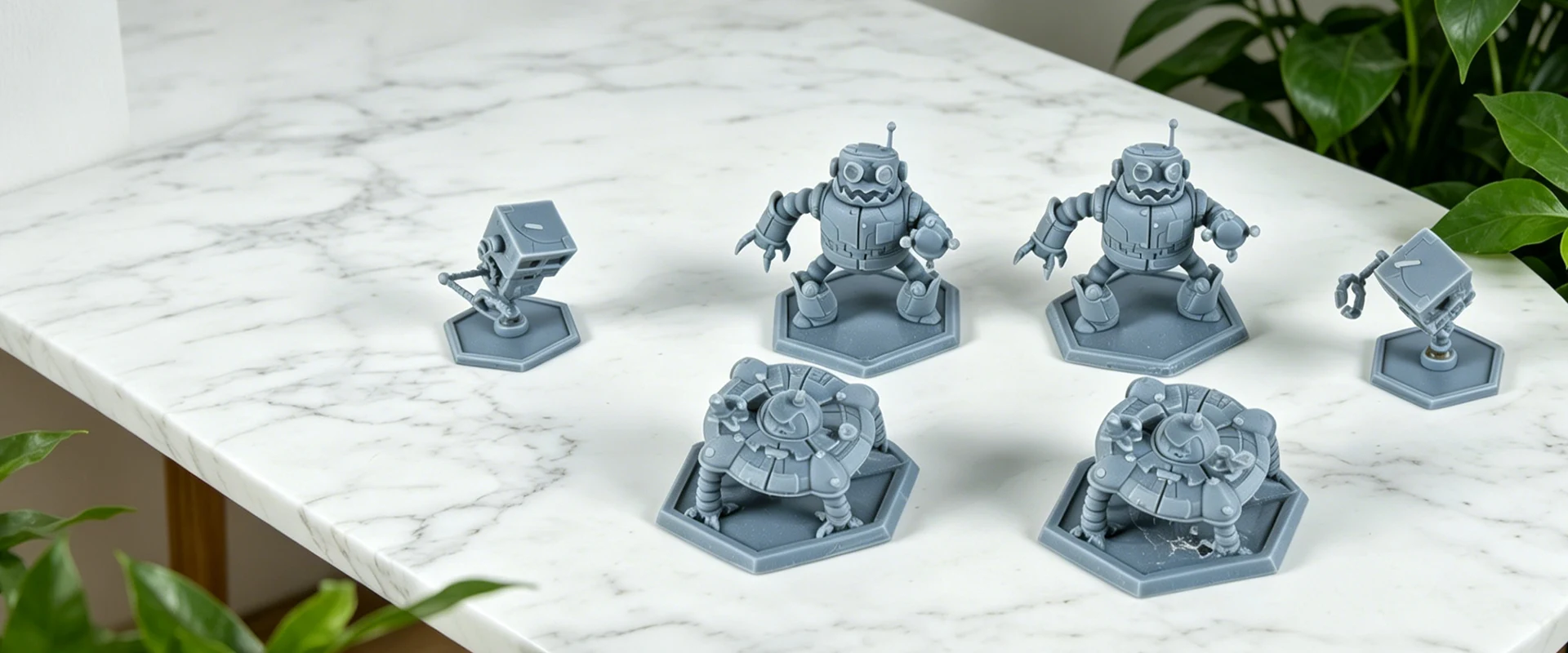
9. How We Handle Miniature Projects at Kingke
Kingke is the brand of Ningbo Jinghe Plastic Industry Co., Ltd., founded in 2017 in the Haishu District of Ningbo, China. We run a 1,500 m² plant across four workshops, with a team of 15 to 50 people and dedicated quality control, production and sales departments, and we hold ISO 9001, ISO 14001 and ISO 45001 certification.
Two of the three processes in this article are ours. We run 3D printing for prototyping and we cut and run injection molds in house on CNC and EDM, with machines from 80T to 200T. We do not offer resin casting. When casting is the right answer for your quantity, we will tell you so rather than push you into tooling you do not need yet.
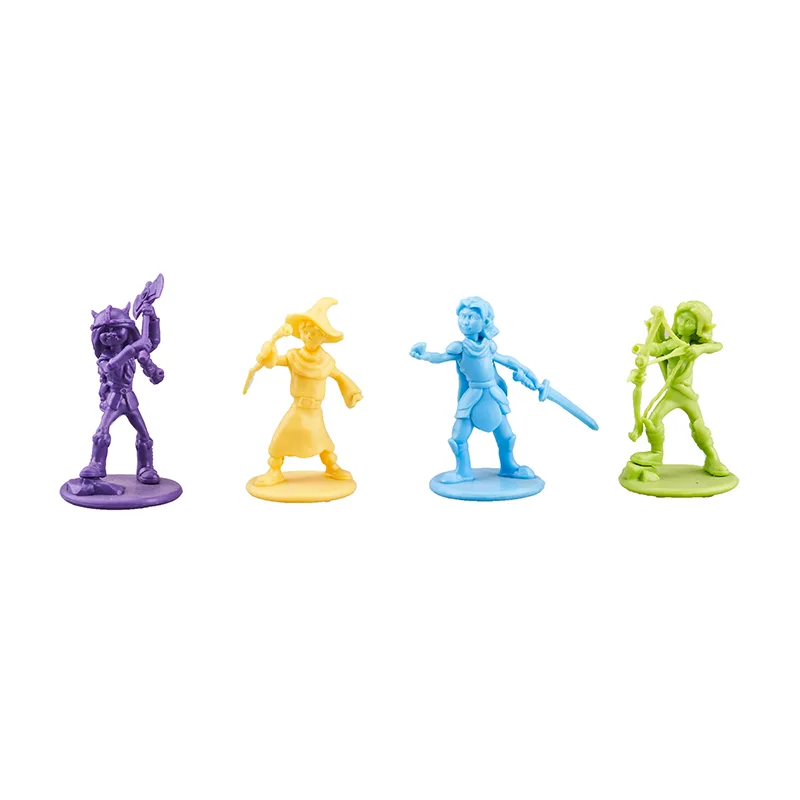
Our injection machine range is the reason tabletop work suits us. 80T to 200T is the wrong plant for automotive housings and the right one for a 30 mm figure that has to look identical across a five-figure print run. Alongside molding we handle 3D model optimization for sculpts that were never drawn for manufacture, decoration, and mass production — useful on figures, on board game plastic components generally, and on plastic parts for cartoon figures. You can read more about our factory.
10. Frequently Asked Questions
Can injection molding hold as much detail as a resin cast miniature?
On surface detail, generally yes. A molded piece reproduces whatever is cut into the steel, and CNC and EDM machining can hold very fine features such as texture, folds and small facial detail. The real difference is not resolution but release. A steel cavity is rigid, so surfaces need draft and undercuts need side actions, lifters or a split in the part. Silicone flexes, so resin casting handles undercut-heavy sculpts more easily. If your sculpt is undercut-heavy, the choice is between modifying it for molding or casting it as drawn.
Can I 3D print my first print run and switch to injection molding later?
You can, and some projects do, but understand what it costs. 3D printing has no economy of scale, so a full fulfilment run printed is expensive, and the pieces will not match the molded ones you produce later. Backers who receive printed figures and then see the retail edition will notice the difference in finish. If you know a reprint is coming, it is usually better to tool once and produce both runs from the same mold.
Will the same 3D file work for all three processes?
Not without changes. A file that prints perfectly often will not mold, because printing has no release constraint and molding does. Preparing a sculpt for tooling can mean adding draft, splitting a pose into separate parts, thickening features that would not fill, and choosing where the parting line falls. Send us the file you have and we will tell you what needs to change before any steel is cut.
What is the difference between resin casting and resin 3D printing?
They share a material family and nothing else. Resin casting needs a master sculpt and a silicone mold, and each piece is poured and demolded by hand. Resin 3D printing builds the figure directly from your digital file with no mold and no master. Casting suits small repeat batches of the same figure; printing suits one-offs and design iterations. Be specific about which one you mean when you request a quote, or you will receive the wrong price.
Do injection molded miniatures need painting?
Not necessarily. Colour is added as masterbatch mixed into the resin, so the piece is coloured all the way through and a scuff will not reveal a different colour underneath. That is why most game pieces ship as solid-colour molded plastic. Painting or printing is a separate decision, usually made for deluxe editions or where a figure carries insignia. On curved figure surfaces the practical decoration methods are pad printing and heat transfer.
How many different miniature designs can share one mold?
It depends on how similar the parts are in size, wall thickness and material, since everything in one tool is molded in the same shot and the same colour. Small related pieces are frequently combined into a family mold, which spreads the tooling cost across several parts instead of buying a tool for each. Parts that need different colours normally cannot share a cavity. Send your full parts list rather than one figure and we will propose a tooling layout for the whole box.
Not sure which route your figures belong in?
Send your sculpt files and target quantity. We will tell you whether your project is ready for tooling, what the sculpt needs before molding, and when you are better off casting or printing instead.
Request a quote